
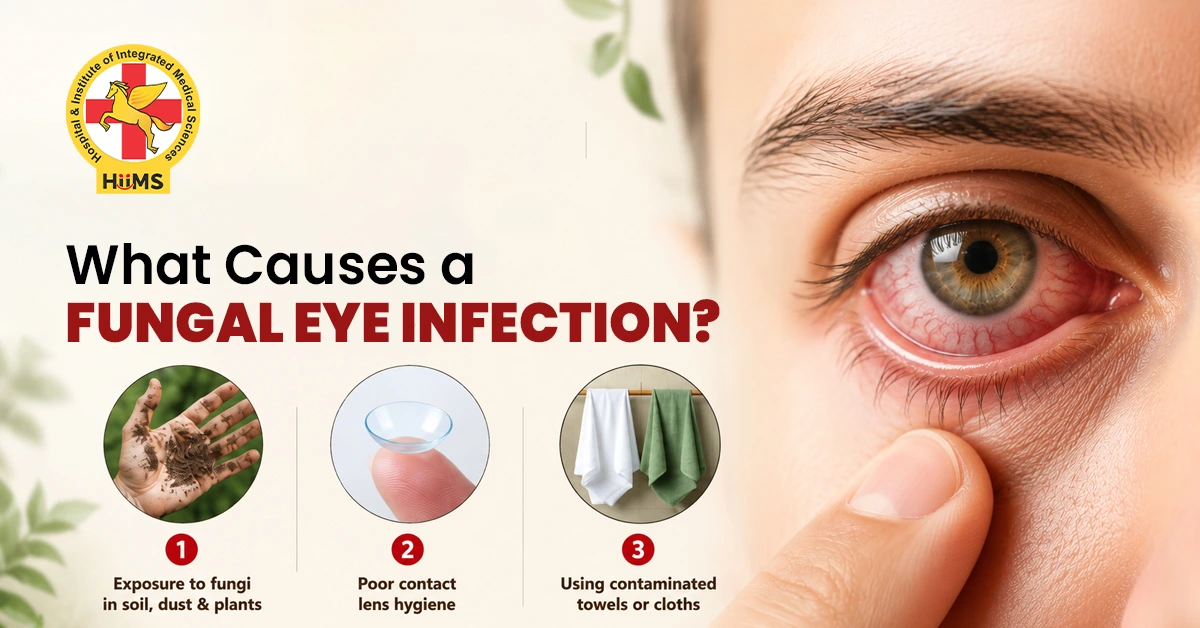

Our eyes are very sensitive parts of our bodies, which require a lot of care each day. Though most of the infections in our eyes occur due to bacteria and viruses, there are cases of fungal infections occurring in our eyes. Though fungal eye infection is rarely seen, it becomes very serious once it occurs because it requires immediate diagnosis and treatment. Such infections usually occur following some type of injury to the eyes where a thorn, stick or some vegetation gets inserted in the eyes. There are instances where wearing contaminated contact lenses can cause such infections too.
Learning the causes of fungal eye infections will make it easy for us to prevent any infection of our eyes from such causes. Learning about its early symptoms, risk factors, and treatment options will also make it easy to consult a doctor. This blog describes the causes, early symptoms, risk factors, and treatment options of fungal eye infection.
What Is a Fungal Eye Infection?
A fungal eye infection occurs when fungi enter the eye and begin to grow in the eye tissues. One of the most common forms is fungal keratitis, which affects the cornea, the clear front layer of the eye. Although it is rare, it requires immediate medical attention because it can affect vision if left untreated.
Fungi are present in soil, plants, dust, and other natural environments. When they enter the eye through an injury or contaminated object, they may cause an infection.
Causes of Fungal Eye Infection
To prevent fungal eye infection, one should know the causes of fungal eye infection. Some of the common causes are:
- Eye Injury Due to Plants or Other Organic Matter
One of the main reasons for the fungal eye infection includes injury to the eye from tree branches, thorns, sticks, and even leaves.
- Poor Eye Hygiene in People Using Contact Lenses
Individuals using contact lenses without washing hands, cleaning the lenses properly, and wearing them as advised by doctors are more prone to developing the fungal eye infection.
- Contaminated Water
Using contaminated water for swimming or even for cleansing the contact lenses increases the risk of fungal infection as microorganisms get into the eye through such mediums.
- Eye Surgeries
Although a rare cause, fungal infection may occur after eye surgery if fungi get into the eye during or after the surgery process.
- Weak Immunity
Patients suffering from diabetes, cancer, and other diseases where immunity becomes compromised or when taking immunosuppressive drugs are at a higher risk of having the condition.

Symptoms of a Fungal Eye Infection
The symptoms may begin slowly or become worse over time. The following are some common symptoms:
- Eye pain or discomfort
- Redness in the injured eye
- Blurred or diminished vision
- Increased tearing
- Production of pus
- Sensitivity to light
- Feeling as if there is foreign body in the eye
- Swelling in the eye area
In case these symptoms occur as a result of eye injury or while using contact lenses, immediate attention from a health professional is required.
Risk Factors for Eye Fungal Infection
Certain situations make a person more likely to develop an infection.
- Eye Injury
Individuals involved in activities like farming, gardening, and construction have a higher chance of having an eye injury due to plant material.
- Incorrect Contact Lens Use
Using lenses when sleeping, using stale or old lens solution, and not cleaning the lenses correctly increases the risk.
- Recent Eye Surgery
Individuals who have undergone any recent eye surgery must strictly adhere to the guidelines provided by the physician to minimise the chances of infection.
- Impaired Immune System
Certain diseases that weaken the immune system can be a risk factor for developing the infection.
- Warm and Humid Atmosphere
Fungi thrive well in warm and humid environments. Individuals residing in tropical areas are at a higher risk.
How Is a Fungal Eye Infection Diagnosed?
The early detection of the condition is necessary since the disease is often mistaken for a bacterial infection.
An eye specialist can:
- Enquire about any recent eye injuries or use of contact lenses.
- Use a slit-lamp microscope to examine the eye.
- Collect a sample from the infected area for lab tests.
- Detect the kind of fungus causing the infection before treatment.
The right diagnosis enables doctors to select appropriate medication.
Treatment Options for Fungal Eye Infection
Treatment for fungal eye infection varies with the type of fungi, seriousness of the infection and how early it was detected. Seeking medical assistance in a timely manner is recommended since early diagnosis may prevent possible complications.
The available treatments can include:
- Antifungal eye drops provided by an eye specialist.
- In case of seriousness, take oral antifungal drugs.
Check-up visits to monitor progress and any changes that require adjustment in the therapy.
In addition to this, some individuals go for Ayurvedic treatments as a part of their holistic treatment programme. According to Ayurveda, the eyes can be taken care of through customised treatment, herbal medications, proper diet and healthy living habits depending on the body constitution and health condition of a patient. Customised Ayurvedic treatment at Jeena Sikho HiiMS includes the following treatments based on the health of the patient:
- Netra Tarpana for eye nourishment and comfort.
- Individual herbal medicines prepared based on Ayurveda guidelines.
- Advice regarding the type of diet and healthy way of living.
- Improving the daily regimen for ensuring health.
It is advisable to look into several treatment approaches considering the individual needs of a particular person.
How to Prevent Fungal Eye Infections
Precautions such as these could easily prevent many cases.
- Wear protective eye goggles when gardening or working on the farm
- Wash hands before handling your eyes
- Practise contact lens hygiene
- Do not sleep wearing your contact lenses unless recommended
- Replace contact lens solution regularly
- Do not share eye makeup and contact lenses
- Get immediate medical attention after an eye injury from plants and soil
- Go for follow-up checkups if you have undergone recent eye surgery.
These habits may lower the chances of developing the causes of fungal eye infection related to injuries and poor hygiene.
When Should You See a Doctor?
Do not wait if you experience:
- Severe eye pain
- Sudden blurred vision
- Increasing redness
- Sensitivity to light
- Eye injury from a plant or thorn
- Symptoms that continue despite using regular eye drops
Early medical treatment offers the best chance of protecting vision.
Conclusion
A fungal eye infection is uncommon, but it should never be ignored. Knowing the causes of fungal eye infection, recognising the symptoms, and understanding the risk factors can help you seek treatment without delay.
Prompt diagnosis and appropriate antifungal medicines play the most important role in protecting eyesight. Though Ayurveda may provide us with some hints regarding our lifestyles, it is always important to remember that it should not be an alternative to normal medical care at all times.
At Jeena Sikho HiiMS, we strive to achieve complete wellness on the principles of Ayurveda as well as good medical sense. In case you face problems with your vision, you should get professional assistance through the VOPD.

FAQs
Q1. What is the cause of fungal eye infection?
Fungal eye infections are caused by fungi entering through trauma, contaminated contact lenses or even eye surgeries, though less often.
Q2. How common is fungal eye infection?
Fungal eye infections are less common than other infections like bacterial or viral eye infections.
Q3. Can contact lenses cause fungal eye infection?
Contact lenses, if used improperly, can cause fungal eye infections.
Q4. What are the initial symptoms of fungal eye infection?
Eye pain, red eyes, blurred vision, tearing and sensitivity to light are some of the early symptoms.
Q5. Is fungal eye infection contagious?
No, it is not a contagious disease.