
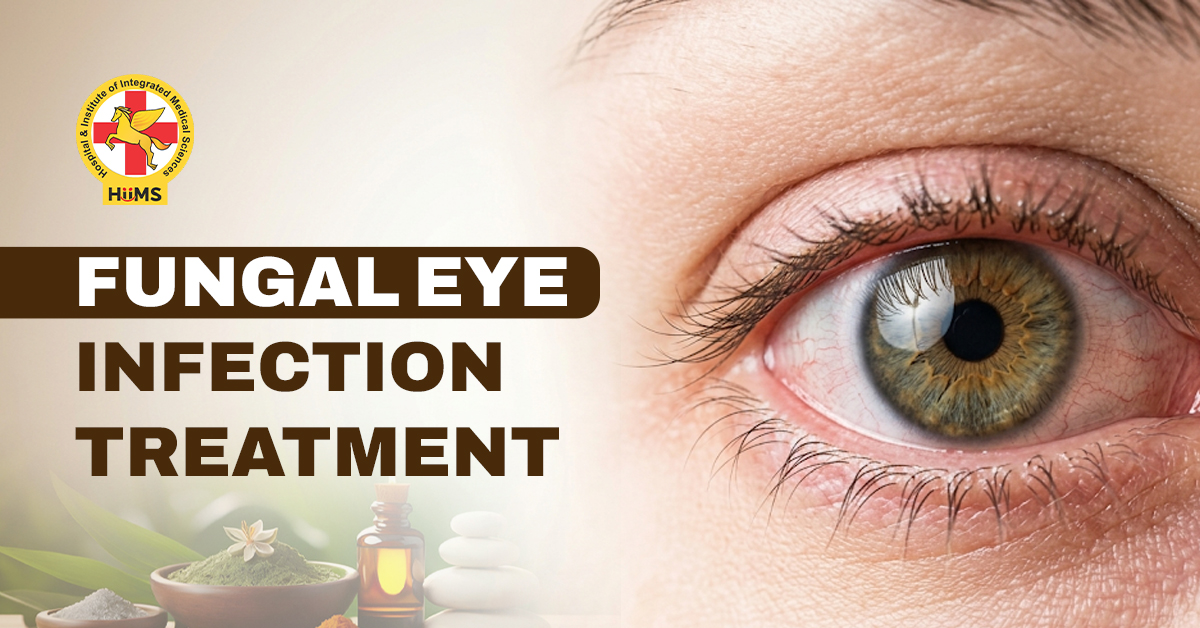

Eye infections are usually taken lightly in the beginning. A little redness, slight irritation, or watering of the eyes often feels like something that will settle on its own. But sometimes, the condition is not that simple. In certain cases, the infection can be caused by fungi, which may take longer to improve and need proper attention.
The difficult part is that early symptoms of a fungal eye infection can feel similar to common eye problems. Because of this, people often delay taking it seriously. Over time, this can lead to more discomfort and complications.
The purpose of this blog is simple. To understand eye fungal infection, its symptoms, causes, and the available fungal eye infection treatment options, including both allopathic and Ayurvedic approaches, so that you can make a more informed decision.
What Is a Fungal Eye Infection
A fungal eye infection occurs when fungi enter the eye and start affecting its tissues. This can happen due to injury, exposure to contaminated water, or weakened immunity.
Fungal infections in the eye are less common than bacterial or viral ones, but they may need more care.
Fungal Eye Infection Symptoms and Causes
The fungal eye infection symptoms may not always be very strong in the beginning, but they tend to progress over time.
- Redness in the eye, definitely not the pink eye, You can check my other blog on Pink eye treatment to understand that.
- Pain or discomfort.
- Blurred vision.
- Sensitivity to light.
- Excess watering or discharge.
- It feels like something is stuck in my eye.
If these symptoms continue or worsen, it is important not to ignore them. Similarly, in daily life, certain situations can increase the risk:
- Injury to the eye, especially with dust or plant material.
- Use of contaminated contact lenses.
- Poor eye hygiene.
- Weak immunity.
- Contact with fungal conditions.
Even a minor exposure can result in infection when not handled in time.
How to Check for Fungal Eye Infection?
When the basic care is not bringing any improvements and is only worsening the symptoms, it can be a sign of something more. Redness, pain or changes in the vision should not be overlooked. An eye test is to ensure the precise diagnosis.
Treatment Options for Fungal Eye Infection
Eye fungal treatment is based on the severity and the kind of infection. Both allopathic and Ayurvedic approaches are used in different cases.
1. Allopathic Treatment
Allopathic treatment usually focuses on controlling the infection quickly.
- Antifungal eye drops or medicines.
- Oral antifungal medication in some cases.
- Regular monitoring by an eye specialist.
This approach works directly on the infection and is often used in more severe or urgent cases.
Possible Side Effects
Some people may experience:
- Eye irritation or dryness.
- Temporary blurred vision after drops.
- Sensitivity in the eye.
- In rare cases, reactions to medication.
This is why proper medical guidance is important during treatment.
2. Ayurvedic Approach
Along with medical care, some people also look for natural ways to support recovery. The Ayurvedic approach focuses on supporting the body gradually.
- Maintaining eye hygiene.
- Supporting digestion and overall balance.
- Using herbal support under guidance.
- Focusing on routine and lifestyle.
The idea is to help the body recover in a balanced way rather than only addressing the surface issue. In many cases, a combined and structured approach can be helpful.
Natural Care for Fungal Eye Infection
If you are looking for natural ways to support eye health, certain Ayurvedic therapies are also used. At Jeena Sikho HiiMS, practices like Netra Tarpana or Akshi Tarpan are followed under proper guidance. In these therapies, medicated oil or ghee is gently retained over the eyes for a specific time to help relax eye muscles, reduce dryness, and support better eye comfort. These methods are generally included as part of a structured approach to improve overall eye balance rather than just managing surface symptoms.
When to Seek Medical Help
- Symptoms are not improving.
- Pain or redness is increasing.
- Vision starts getting affected.
- There is continuous discomfort.
Delaying care in such cases can make the condition more difficult to manage. Therefore, before they become worse, consult a doctor as soon as possible.
Conclusion
The symptoms of a fungal eye infection can be simple at the beginning, but it is possible to have complications later when it is not treated. Early detection of the signs and the appropriate treatment strategy is a significant difference. Allopathic and Ayurvedic approaches have their relevance in accordance with the disease. It is only a matter of acting early enough and doing the right thing.
FAQs
Q1) What are typical symptoms of fungal infection of the eye?
Redness, pain, blurred vision, and light sensitivity are usually observed.
Q2) What is the mechanism of occurrence of a fungal eye infection?
It may result as a consequence of trauma, infection, or suppressed immunity.
Q3) How do you treat a fungal infection in the eye?
Therapy involves antifungal drugs and supportive care based on the disease.
Q4) Do eye infection medicines have any side effects?
There are those who might have slight irritation or temporary discomfort.
Q5) At which point does a doctor need to be consulted?
In case of the aggravation of symptoms or vision impairment, it is of significance to receive appropriate medical care.

Disclaimer: The information provided on this blog is for general educational and informational purposes only. It is not intended to replace professional medical advice, diagnosis, or treatment. Always consult a qualified healthcare professional before making any changes to your diet, lifestyle, or treatment plan. Individual results may vary.





4 comments