
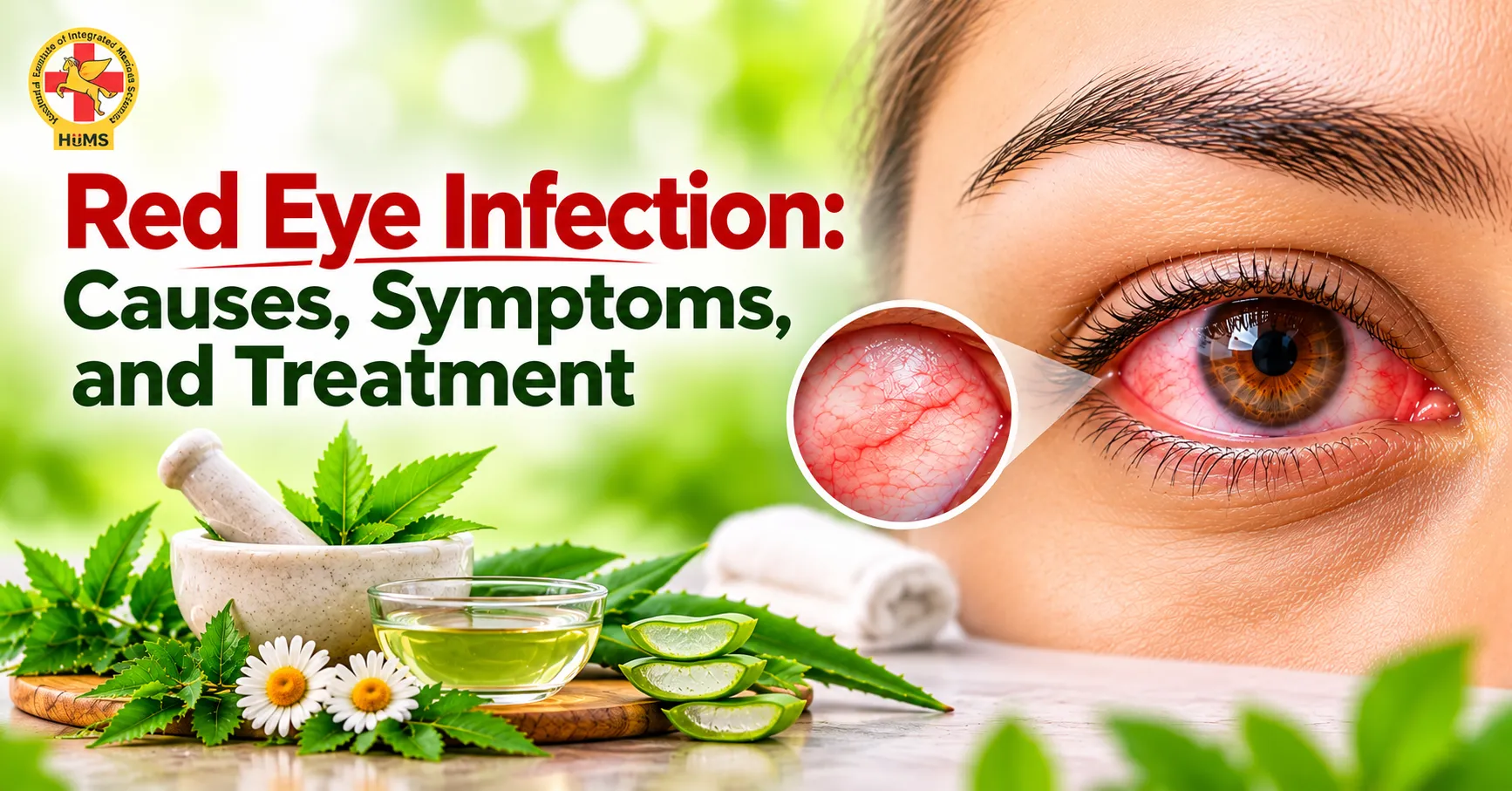

Red eyes are very common, and they can affect anyone. Dust in the air, long hours of work, or poor sleep may cause red eyes. In other cases, an infection or an allergy sits behind the redness and needs care. The eyes may also itch, water, or feel irritated during simple daily tasks.
A red eye infection often develops when the conjunctiva gets inflamed. This thin layer protects the white part of the eye and lines the inside of the eyelids. Its inflammation is known as conjunctivitis, or pink eye. Viruses, bacteria, and allergens can cause the same kind of signs, but the right care may not be the same. The US Centers for Disease Control and Prevention (CDC) explains the common causes and signs.
People often rub their eyes or try drops without knowing the cause. This can make things worse. Doctors usually ask how long the redness has lasted and whether there is pain, discharge, allergy, or any change in vision. Understanding the causes, early signs and the suitable treatment can help protect eye health.
What Is a Red Eye Infection?
It develops when germs irritate the tissues around the eye. It may start in one eye and then affect the other. However, not every red eye indicates an infection. Dryness, allergies and minor injuries can also cause redness. The CDC says the three main causes of pink eye are viruses, bacteria, and allergens.
Red, itchy, or watery eyes?
Common Causes of Red Eyes
The causes of red eyes can range from mild irritation to an infection. Identifying the reason is important because the same symptoms may need different care.
Here are the common reasons:
- Viruses, often along with a cold or sore throat
- Bacteria that pass through dirty hands or towels
- Dust, smoke, pollen, and pet hair
- Chemicals from soaps, chlorine, or makeup
- Contact lenses worn for too long
- A small object, such as a loose eyelash
The National Eye Institute explains how infections and allergies can cause pink eye and why identifying the cause matters.
Understanding the Types of Eye Infection
Knowing the type helps you choose the right care. Here is a simple guide.
A bacterial eye infection usually gives thick yellow or green discharge. The eye feels sore and sticky in the morning.
A viral eye infection gives watery eyes, redness and light sensitivity. It often comes with a cold.
Allergic conjunctivitis brings strong itching and tearing in both eyes. You may also have sneezing or a runny nose. This type does not pass from one person to another.
According to the North Dakota Department of Health, most pink eye cases are mild and clear up in about 7 to 14 days.
Symptoms of Eye Infection
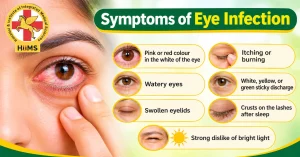
The symptoms of eye infection can look different from person to person. In clinical practice, doctors often observe that people first notice a gritty feeling, as if sand is stuck in the eye.
Watch for these signs:
- Pink or red colour in the white of the eye
- Itching or burning
- Watery eyes
- White, yellow, or green sticky discharge
- Swollen eyelids
- Crusts on the lashes after sleep
- Strong dislike of bright light
A red eye infection may begin in one eye and later affect the other.
How Ayurveda Sees Eye Infection
Ayurveda looks at the eye as part of the whole body. Traditional texts link redness, burning, and watery eyes to an imbalance of the doshas, mainly Pitta. Poor digestion, bad sleep, and too much heat or stress are also seen as triggers.
So Ayurvedic doctors do not look at the eye alone. They ask about your food, sleep, daily routine, and screen time. Then they plan care that suits you.
Natural and Ayurvedic Care for Your Eyes
At Jeena Sikho HiiMS Multan Nagar, doctors begin by understanding your lifestyle and health history. They look at the root of the problem and not just the redness.
Some traditional supports include:
- Triphala eyewash: A cooled, filtered Triphala water that Ayurveda uses to clean tired eyes. Prepare it only under a doctor’s guidance.
- Cool compress: A clean, damp cloth on closed eyes eases burning. Do not use the same cloth on both eyes.
- Eye-friendly food: Amla, carrots, green leafy vegetables and plenty of water.
- Proper rest: Sleep early and take breaks from phone and computer screens.
A red-eye infection needs patience. Natural care works with your body and avoids harsh side effects. Results differ from person to person, so a doctor should guide each step.
When You Should See a Doctor
Mild cases settle at home, but some signs need quick attention. The CDC advises you to see a healthcare provider if you have moderate to severe eye pain, intense redness or symptoms that get worse.
Also seek help quickly in these cases:
- Blurred vision
- A newborn with red or watery eyes
- Pain that grows stronger
- Contact lens wearers with redness
A red eye infection that does not improve in a few days also needs a proper check.
Simple Habits That Protect Your Eyes
Prevention is easy and costs very little.
- Wash your hands often with soap
- Keep dirty hands away from your eyes
- Keep your towels and eye makeup for personal use only
- Change pillow covers every few days
- Remove contact lenses at the first sign of redness
- Wear glasses outside to block dust and wind
Good eye care starts with clean hands and personal items. When you follow these steps every day, you lower the chance of red eyes coming back.
Conclusion
Redness in the eyes may develop because of an infection, an allergy, or irritation. Understanding the reason behind a red eye infection helps you take the right steps. Keep your eyes clean and avoid putting untested substances into them.
If you experience pain, discomfort in bright light or changes in vision, get help without delay. Jeena Sikho HiiMS offers VOPD consultation for people who want to discuss their health concerns and learn about the suitable care.

FAQs
Q1. What is pink eye?
It is swelling of the thin tissue that covers the white of the eye and lines the eyelids.
Q2. What causes pink eye?
Viruses, bacteria, allergens, and irritants like smoke or chlorine are the main causes.
Q3. Is pink eye contagious?
Viral and bacterial types spread easily, but the allergic type does not.
Q4. How does pink eye spread?
It spreads through dirty hands, shared towels, pillow covers and eye makeup.
Q5. Should I rub my eyes when they itch?
No, rubbing adds to the swelling and can spread germs to the other eye.