
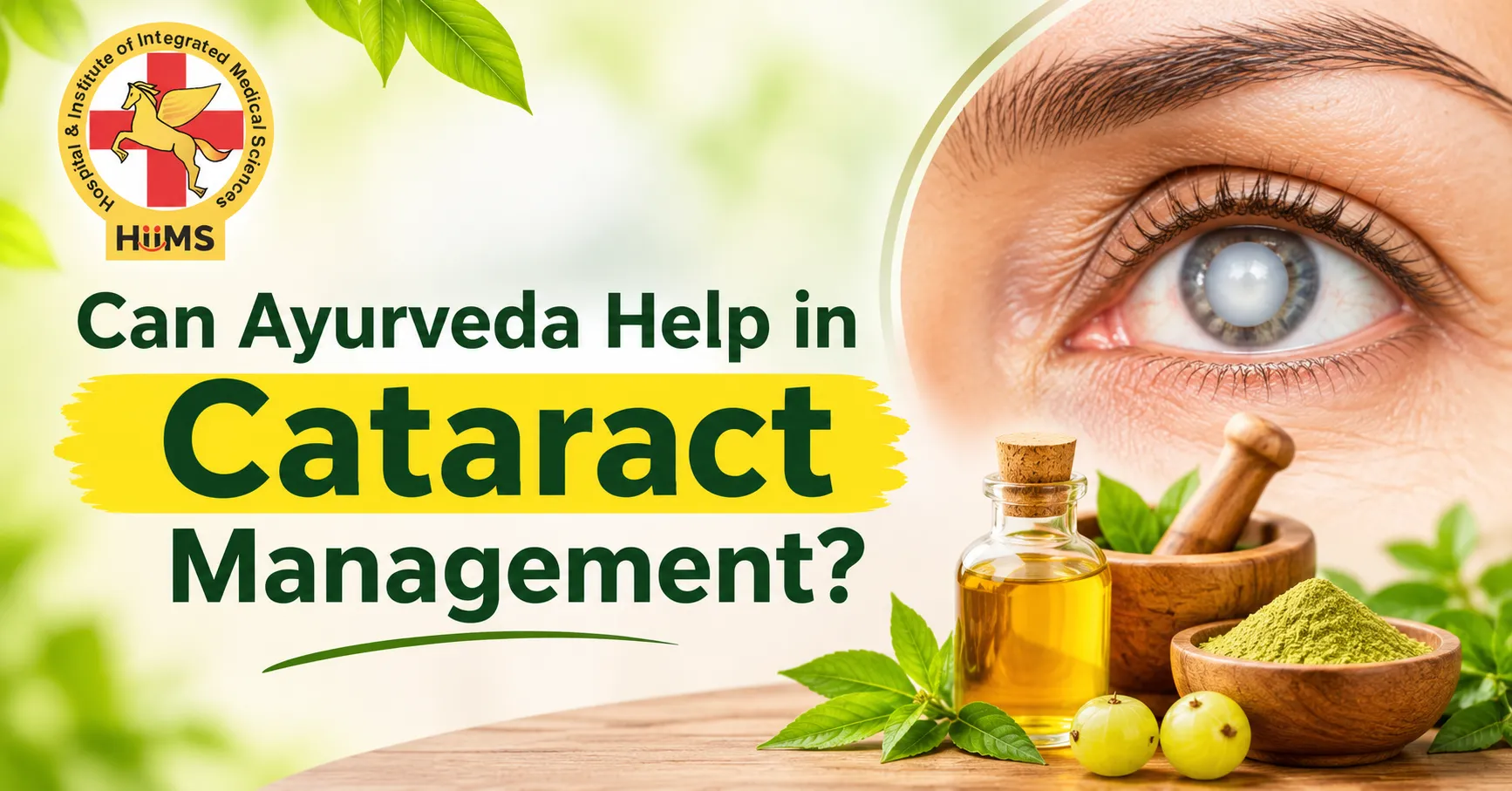

Having cataracts diagnosed might give rise to some questions, including those regarding the availability of surgery as the sole treatment method, as well as the possibility of using natural treatments. Being one of the most common eye diseases among elderly patients, it is useful to learn about the cataract symptoms and cataract causes.
As for the signs of early cataracts, these may include such symptoms as blurred vision, trouble with night vision, sensitivity to light and colours that seem to be faded. The disease might impair your ability to perform routine tasks like reading, driving, and recognising people.
In this guide, we explore the early signs of cataracts, available care options, cataract management in Ayurveda and simple natural eye care habits. We also discuss what Ayurveda may offer for supportive eye wellness while understanding the role of medical care and cataract surgery.
In this guide, we explore the early signs of cataracts, available care options, cataract management in Ayurveda and simple natural eye care habits. We also discuss what Ayurveda may offer for supportive eye wellness while understanding the role of medical care and cataract surgery.
What Is a Cataract?
The lens inside your eye is clear. It helps focus light so you can see sharply. A cataract happens when this lens becomes cloudy. The proteins in the lens start to break down and clump together, so light cannot pass through clearly. Think of it like looking through a foggy window. Cataracts are very common as people get older. They usually grow slowly and do not cause pain.
Early Signs of Cataracts
In the beginning, you may not notice anything. That is why regular eye check-ups matter. When the early signs of cataracts do appear, they are often small:
- Slightly blurry or hazy vision
- Needing to change your glasses number again and again
- Colours looking a little faded or yellow
- Feeling more bothered by bright lights or glare
- Finding it harder to see in dim light
If you notice any of these, do not ignore them. They can also be signs of other eye problems, so only an eye doctor can tell you what is going on.

Common Cataract Symptoms
As a cataract grows, the signs become easier to notice. Common cataract symptoms include:
- Cloudy, blurred or dim vision
- Glare from sunlight, lamps or car headlights
- Halos around lights
- Poor night vision, which can make driving at night hard
- Faded or brown-tinted colours
- Double vision in one eye
The vision loss may be slight at first and becomes more noticeable as the cataract grows. If you see sudden changes, such as flashes of light, sudden eye pain or a sudden headache, see a doctor right away.
If you are also struggling with these symptoms, feel free to contact us and talk to our expert.
Cataract Causes and Risk Factors
Most cataracts come with age. But some things can raise your chances of getting one earlier:
- Age. The most common cause. The lens changes slowly over the years.
- Diabetes. High blood sugar that is not well controlled can raise the risk.
- Long-term steroid use. Some medicines taken for a long time can affect the lens.
- Too much sun. Years of strong sunlight without eye protection add up.
- Smoking and heavy alcohol use.
- Eye injury or past eye surgery.
- Family history. Cataracts can run in families.
You cannot control age or family history. But you can control many other things, and that is where healthy habits help.
Cataract Management in Ayurveda: What Is the Traditional View?
Ayurveda has a long tradition of eye care. It has a branch called Shalakya Tantra, which deals with diseases of the eye, ear, nose and throat. Old Ayurvedic texts describe eye diseases in detail, including conditions traditionally associated with lens clouding. They also describe different eye-care procedures known as Kriyakalpa.
At Jeena Sikho HiiMS, the Ayurvedic approach to eye wellness may include therapies such as Akshi Tarpan, along with personalised dietary guidance, lifestyle recommendations and other selected Ayurvedic practices based on an individual’s health assessment. Akshi Tarpan is a traditional eye-care procedure in which medicated ghee is retained around the eyes within a specially prepared boundary. Other supportive approaches may include guidance on daily routines, screen habits and overall wellness.
Natural Eye Care Tips for Everyday Life
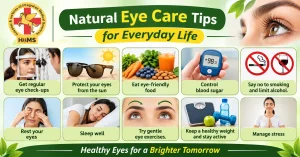
These natural eye care habits are simple, safe and good for your general health. They will not dissolve a cataract, but they support healthy eyes.
- Get regular eye check-ups. This is the single most useful step. An eye doctor can find a cataract early through a simple eye exam. Many doctors suggest regular exams from around age 40 or as advised.
- Protect your eyes from the sun. Wear sunglasses that block UV rays and a wide-brimmed hat when you are outside.
- Eat eye-friendly food. Include plenty of fruits, green leafy vegetables, nuts and whole grains. Carrots, spinach, amla, oranges, papaya and almonds are easy choices. A colourful plate is good for your whole body. Note that no single food has been proven to prevent age-related cataracts.
- Control blood sugar. If you have diabetes, follow your doctor’s plan. Steady sugar levels are good for your eyes.
- Say no to smoking and limit alcohol. Both are linked to a higher risk of cataracts.
- Rest your eyes. If you work on a screen, follow the 20-20-20 habit. Every 20 minutes, look at something 20 feet away for 20 seconds. Blink often.
- Sleep well. Good sleep helps the body and the eyes recover from the day.
- Try gentle eye exercises. Simple practices like palming (warming your palms and resting them lightly over closed eyes) can help relax tired eyes. These are for comfort only.
- Keep a healthy weight and stay active. Walking and yoga support the whole body, including eye health.
- Manage stress. Slow breathing, meditation or a short quiet break each day can help.
When to See an Eye Doctor
Please book an eye exam if you notice:
- Blurry or cloudy vision that does not clear.
- Frequent changes in your glasses number.
- Trouble driving at night.
- Glare or halos around lights.
- Double vision in one eye.
- Any sudden change in vision or eye pain.
In the early stage, a new glasses prescription may be enough. Treatment is usually advised when the cataract starts to get in the way of daily tasks such as reading, driving or watching TV. Many people do not need to rush, so talk to your eye doctor about timing.
Conclusion
Ayurveda can be a helpful partner in your journey toward better health. It encourages good food, good sleep, a calm mind and a regular routine, and all of these matter for healthy eyes.
The best approach is a balanced one: see an eye doctor for the cataract itself, and follow a healthy Ayurvedic lifestyle to support your general wellness.
Concerned about your eye health or experiencing changes in your vision? Consult the doctors at Jeena Sikho HiiMS through VOPD (Virtual OPD) and get expert guidance for your eye-related concerns. Book your consultation today.

FAQs
Q1. What are the early signs of cataracts?
The early signs of cataracts are cloudy vision, dull colour perception, sensitivity to light, difficulty with night vision and frequent need for prescription glasses. They can develop gradually.
Q2. What are the symptoms of cataracts that appear quite often?
Some of the most frequent symptoms of cataract are hazy vision, sensitivity to light, difficulty seeing at night, yellowed vision, halos in lights and sometimes double vision in one eye only.
Q3. Why do people develop cataracts?
The reason for the development of cataracts is the alteration in the proteins of the lenses of the eyes due to ageing and many other reasons like diabetes, long-term usage of steroids, smoking, over-exposure to sunlight, eye injury and hereditary factors.
Q4. Is it possible to get cured of cataracts in an Ayurvedic manner?
There can be some methods for managing cataracts with Ayurveda by means of lifestyle management, diet and proper treatment prescribed by the practitioner.
Q5. Can it be possible to cure a cataract without surgery?
A healthy lifestyle consisting of good nutrition, protection of eyes from ultraviolet rays, maintenance of the proper level of sugar in blood and not smoking will be helpful for you.