

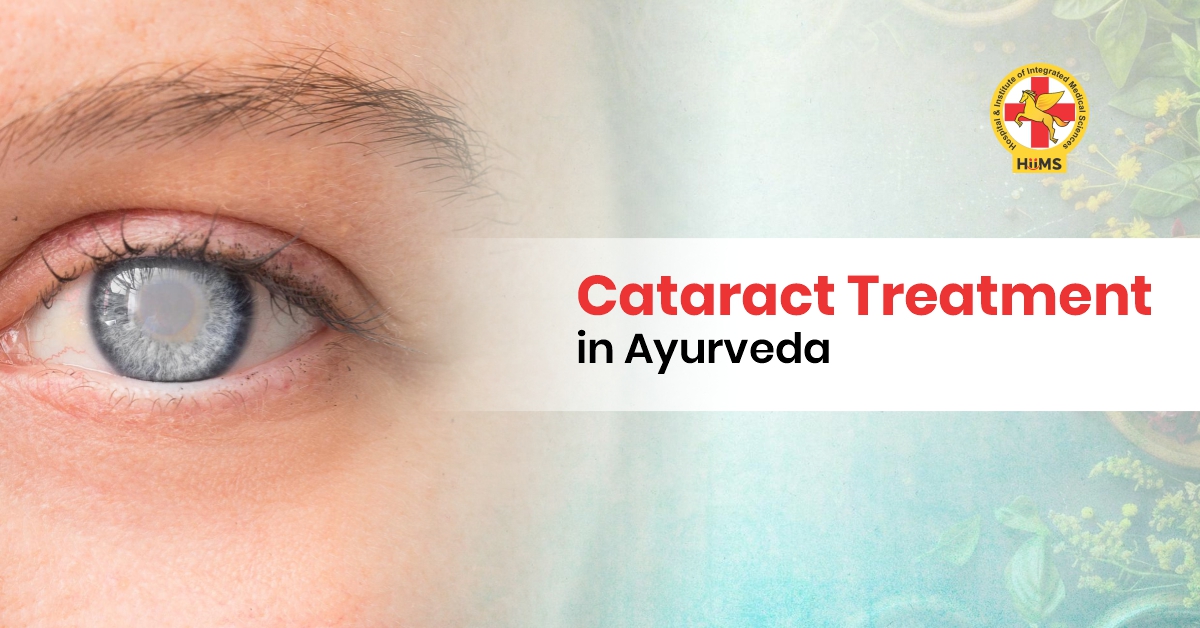
Cataracts are initially detected by some slight vision problems. One may find reading more difficult than usual, light may be too bright at night, or objects slightly blurred. Such signs are normally gradual and that is why they are overlooked by people at the initial stages.
Cataract is formed when the natural lens of the eye is cloudy. This haze does not allow the light to pass through as it should and this in turn is slowly impacting the clarity of vision. The majority of cataracts are caused by aging; however, other conditions such as diabetes, too much exposure to sun, smoking, eyel injury or prolonged medication usage can also be risk factors.
The purpose of this blog is to provide general information about cataract treatment in Ayurveda and help readers understand how Ayurveda approaches eye health. It aims to explain traditional concepts, commonly discussed herbs, and lifestyle practices that are often associated with ayurvedic treatment for cataract and herbal remedies for cataract. The blog also intends to create awareness about early vision changes and encourage readers to explore different eye care perspectives responsibly.
The Reason Why Cataracts Change With Age
The cataracts are most commonly associated with aging, whereas lifestyle issues also affect the eye condition. Prolonged screen time, unhealthy eating habits, sleeplessness, and constant stress may slowly damage the eyes.
Also, the presence of other diseases, such as diabetes, or prolonged steroid hormone consumption, can predispose a person to cataracts. In most instances, cataracts are progressive and a person may take several years before they develop symptoms.
Early eye care can be beneficial in reducing the burden on the eyes and ensure a longer and healthier vision.
The Ayurvedic Perspective of The Eye
Ayurveda considers eye issues as associated with the body balance. It does not just pay attention to the eye lens alone, but to digestion, lifestyle habits and circulation. The Ayurvedic knowledge suggests that poor digestion and the accumulation of toxins in the organism can influence the most sensitive tissues, such as eyes.
Due to this fact, ayurvedic medication of cataracts usually aims at enhancing the digestive system, assisting the metabolism, and feeding the eye tissues.
The object is not immediate correction but the slow assistance of the general eye wellness.
Common Ayurvedic Traditional Herbs Used In Eye Care
Ayurvedic eye support has certain herbs that are typically talked about. These are normally prescribed as a component of wellness practices and not short-term solutions.
- Triphala is very common in Ayurveda and is normally utilized to aid digestion and detoxification.
- Amla (Indian gooseberry) is a source of antioxidants that can protect the body tissues.
- Turmeric has been regarded as an anti-inflammatory agent.
- Brahmi has been linked to the balance of the nervous system and well-being.
These herbs are occasionally used as herbal remedies for cataracts, although they are usually used under medical guidance.
Ayurvedic Treatments in The Support of The Eye
Ayurveda has also some therapies which are aimed at relaxing and nourishing the eyes. The purpose of these practices is to enhance movement in the eye region and decrease tension. These treatments are done in a meticulous manner by certified professionals. They tend to be directed to the calming of the eyes, to enhance the comfort, and to aid in the natural balance.
These techniques are frequently included in more comprehensive ayurvedic therapy for cataract programs, which encompasses lifestyle modification, diet advice and eye care practices.
Daily Routines That Can Be Used To Protect The Eyes
The daily routines are significant in keeping the eyes healthy.
- Extended screen time, sleep disturbances, and unhealthy diet may have a gradual influence on the eyesight.
- Eye strain can be minimized by having frequent screen breaks, ensuring adequate light during reading, and ensuring that one gets enough sleep.
- Eye health is also supported with the help of a balanced diet that should consist of fruits, vegetables and foods that contain antioxidants.
Such easy routines as blinking exercises and eye relaxation every now and then can be used to ensure that the eyes are comfortable during the long working hours.
Conventional Eye Care Practice
Other wellness facilities are based on traditional Ayurvedic eye-care as a subset of general health programs. Akshi Tarpan, a treatment where the ghee is medicated and kept in the eyes briefly and under supervision is one such treatment.
This is a customary belief that helps to feed the eye tissues and soothes the weary eyes. In Jeena Sikho, these therapies are done through trained guidance and lifestyle and diet recommendations to help in maintaining the health of the eyes.
Individuals interested in learning more about these practices may contact us.
Conclusion
Cataracts refer to an eye disease that is mainly prevalent as one grows older. Surgery is the most popular and efficient intervention in developed cases.
Nevertheless, the cataract treatment in Ayurveda is sought by many individuals to enhance the health of the eye in its early stages in a natural manner. The Ayurvedic methods are mostly based on lifestyle harmony, herbal remedies for cataract, and special eye-care exercises.
The care of the eye health through appropriate habits, a balanced diet, and professional attention can contribute to the preservation of clarity and comfort in the long term.
FAQs About Cataract Treatment
1. Is there a natural treatment for cataracts?
Some of the natural means can be used to assist the eye condition at the early stages, though the cataracts at the advanced stage often need the medical intervention.
2. What are the common herbs in Ayurveda that are said to help the eyes?
Ayurvedic eye support contains Triphala, Amla, Turmeric, and Brahmi.
3. What is Akshi Tarpan therapy?
It is an Ayurvedic eye treatment in which ghee, which is medicated, is applied around the eyes under supervision.
4. Is Ayurvedic medicine safe in treating cataract?
Ayurvedic therapies are otherwise considered safe when administered under trained supervision.
5.What is the time when one should see an eye specialist?
In case of blurry vision, night vision deterioration, and difficulties in daily activities, one should consult a doctor.