
Most people ignore small health changes. A little tiredness, mild fever, or weakness feels normal, so it gets ignored. But sometimes, these small changes keep coming back. That’s when you should pay attention.
Blood cancer does not always start with strong symptoms. It often begins quietly. Many people mistake early signs for common problems like stress or lack of sleep. Because of this, they delay getting checked.
Understanding blood cancer symptoms early can help you take action at the right time. You don’t have to panic, but you must be able to notice how your body is feeling. In this blog, we are going to describe some of the easiest ways for you to detect any early blood cancer symptoms.
What is Blood Cancer?
It is a type of disease that changes the way your blood cells develop and function. Normal blood cells are produced by your body.In blood cancer, abnormal cells start developing that interfere with the regular processes of the body. There are three main types of cells found in your blood:
- Red blood cells (RBC): These transport oxygen throughout your body.
- White blood cells (WBC): They help your body resist any infection.
- Platelets: Their main function is to control any bleeding.
When these cells cannot perform their function correctly, different symptoms develop. The following are some of the types of blood cancers:
-
Leukemia
It is a blood cancer that originates from the bone marrow and blood. The cancer targets the white blood cells, leading to an abnormal development of white blood cells.
-
Lymphoma
It is the type of cancer originating from the lymphatic system of your body. The lymphatic system helps your body resist infections; therefore, developing such cancer will affect your immunity.
-
Myeloma
This is the cancer affecting the plasma cells, which are the type of white blood cells developing in the bone marrow.
You do not need to go into deep medical details. What matters is recognizing the early signals your body gives.
Early Blood Cancer Symptoms
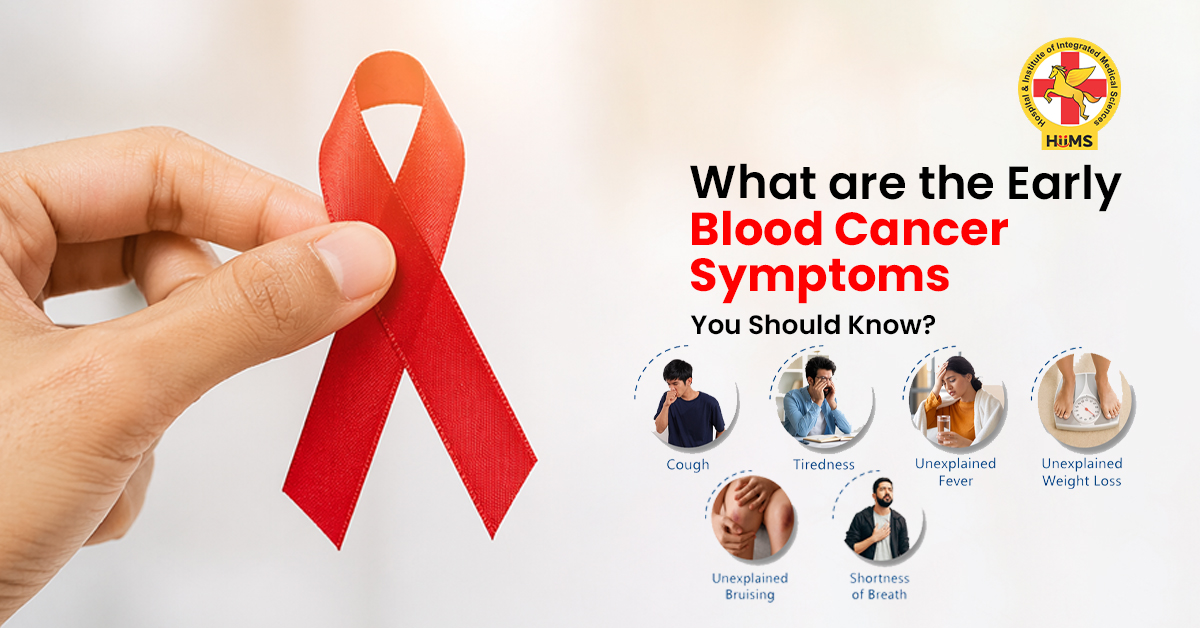
This is the most important part. These symptoms may look simple, but if they keep repeating, they should not be ignored. Let us discuss the early signs of blood cancer
1. Frequent tiredness or weakness
You may feel tired even after proper rest. Daily tasks start feeling heavier than usual. This happens because your body is not getting enough healthy blood cells. This is a very common blood cancer symptom.
2. Unexplained weight loss
If you are losing weight without trying, without dieting or exercise, it is something to notice. Sudden weight loss is often a signal that something is not right inside the body.
3. Frequent infections
Frequent bouts of illnesses or an extended recovery period may indicate compromised immunity. As the immune system depends on white blood cells, it will find it difficult to fend off any diseases.
4. Easy bruising or bleeding
Excessive bruising or prolonged periods of bleeding might occur due to low or dysfunctional platelet levels. These are very important symptoms of blood cancer to look for.
5. Swollen lymph nodes
Swollen lymph nodes may present themselves as small lumps in the neck, armpits, or groin regions. They could represent an early symptom of blood cancer.
6. Night sweats
A frequent occurrence of night sweats while sleeping despite cool weather conditions could be dismissed by most individuals. However, continuous episodes of night sweats indicate internal stress within the body.
7. Bone or joint pain
Pain in bones or joints without any injury can feel confusing. If it stays for a long time, it should not be ignored.
8. Fever without reason
An occasional and mild fever that does not seem to be caused by anything can also be considered a possible indication.
Possible Causes and Risk Factors
The cause of blood cancer is uncertain, but several risks might contribute to developing this condition:
-
Genetic risk factors
If the disease has affected anyone from your relatives, the possibility might be high.
-
A weakened immune system
A weak body is more susceptible to illness.
-
Exposure to hazardous substances
Exposure to certain chemicals and/or radiation could alter blood cells
-
Various lifestyle factors
Unhealthy habits could also negatively influence one’s well-being.
When Should You See a Doctor?
The presence of any symptoms is not always a threat, but you should seek professional help if:
- The symptoms persist for days or even weeks.
- The same issue keeps coming back.
- You feel something is not normal in your body.
It is always better to get basic tests done early instead of waiting too long. Early checkups can help identify problems at the right time.
Natural Health Support Tips
In addition to the medical treatments, many patients also consider enhancing their physical wellness through natural means. It’s not meant to be an alternative for the treatment, but rather, it’s intended to provide additional support for the body to react effectively. A few ways to do so may be as follows:
-
Healthy diet
Consuming fresh fruits, vegetables, and food prepared at home can enhance one’s body immunity. It’s always advisable to avoid consuming overly processed and rich meals.
-
Detox juices and cleansing
Several patients consume fresh juices prepared using vegetables such as lauki, neem, or wheat grass. These juices are commonly consumed for cleansing purposes and increasing the energy level of the body.
-
Herbal supplements
There are some herbal remedies that have been used traditionally to maintain body balance and promote general wellness.
-
Yoga and meditation
It helps in relieving stress and calming one’s mind, which plays a crucial role in managing any physical ailment.
-
Improved daily routine
Practicing habits such as adequate rest, consistent meal times, and stress management can lead to healing
At Jeena Sikho HiiMS Panchkula, the aim is to learn about the cause of the disease at a deep level. In addition to clinical care, they incorporate dietary modifications, some people also focus on diet and routine to support overall health.

Conclusion
It is not necessary to react to every symptom; however, neglecting repeated symptoms does not seem to be the right thing either. If your body gives out repetitive symptoms, that means it wants some attention. Understanding early blood cancer symptoms gives you a chance to act on time instead of delaying it. Early awareness now may help to avoid larger issues in the future.
If your symptoms have been ongoing for some time, then you might think about scheduling an appointment for VOPD at Jeena Sikho HiiMS, which will not only be concerned with the results of reports but also your daily routine and lifestyle. At times, all that you need to do is make a decision to not overlook your body’s messages to you.
FAQs
1. What are the early blood cancer symptoms?
Common signs include tiredness, infections, weight loss, and bruising.
2. Can blood cancer symptoms be mild in the beginning?
Early symptoms are often mild and easy to ignore.
3. When should I see a doctor?
If symptoms keep repeating or do not improve, consult a doctor.
4. Is fatigue always a sign of blood cancer?
But long-lasting fatigue with other symptoms should be checked.
5. Are blood cancer symptoms the same for everyone?
Symptoms can vary from person to person depending on their body internal health.