

Panchkula has a hot season during the summers, and those people who spend a lot of time under the sun will definitely sweat and, thus, may end up dehydrated. Dehydration can put extra strain on the body. Nevertheless, there are various reasons why one might get kidney disease, including diabetes, hypertension, drugs, and other illnesses.
If you reside in Panchkula and have some swelling in your feet, feel extra tired, and there is something unusual about your urine, then you may be wondering whether that means kidney disease. Searching for a kidney doctor in Panchkula might help you in this case. The challenge is that chronic kidney disease may develop without clear symptoms in its early stages.
Understanding Kidney Disease Symptoms can help you recognise when to seek medical advice. This blog explains common warning signs, when to consult a kidney specialist, and how to support your kidney health.
Did You Know? Facts About Kidney Health
- Kidney disease may develop without noticeable symptoms in its early stages.
- Diabetes and high blood pressure are two major risk factors for chronic kidney disease.
- Blood and urine tests can help identify kidney problems before symptoms become obvious.
What Are the Common Kidney Disease Symptoms?
Kidney problems can cause different symptoms, and some may also be linked to other health conditions. The National Kidney Foundation’s guide to kidney disease warning signs explains some changes you should know about.
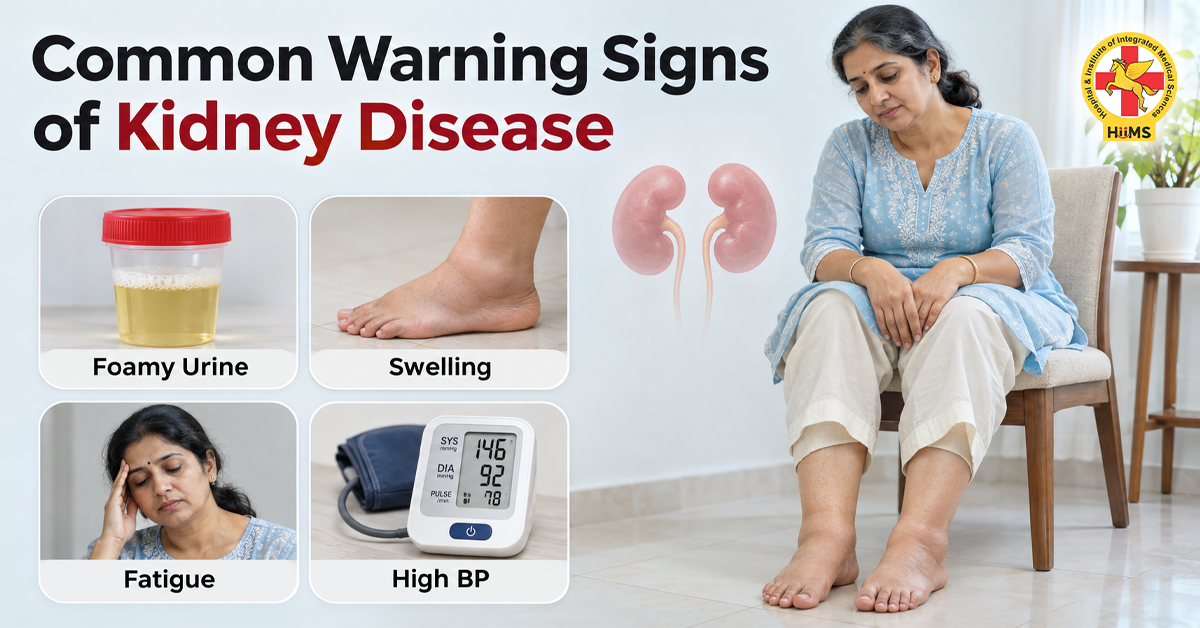
1. Urine Abnormalities
Foamy urine, presence of blood in the urine, and any changes in urination frequency require medical attention. Foamy urine may be an indicator of protein in the urine; however, it does not necessarily mean kidney disease.
2. Swelling of the Feet, Ankles, or Face
If the kidneys cannot filter out excess fluid, then swelling may occur in the legs, feet, ankles, hands, and face. Unexplained swelling should be evaluated.
3. Unusual Fatigue or Weakness
Experiencing fatigue even after adequate sleep is caused by many different factors. One of them may be kidney disease, especially when the disease is quite advanced.
4. High Blood Pressure
High blood pressure may cause harm to the kidneys, whereas kidney disease can make blood pressure difficult to regulate.
5. Nausea or Lack of Appetite
Nausea, vomiting, and the lack of appetite may occur in the case of advanced kidney disease.
6. Pain in the Back or Side
Pain around the side or lower back may occur with kidney stones, infections, or other conditions. Chronic kidney disease often causes no pain in its early stages, so pain alone cannot confirm a kidney problem.
When Should You See a Kidney Specialist in Panchkula?
Please do not ignore persistent swelling, any abnormal changes in your urine, fatigue that cannot be explained, or consistently elevated blood pressure. In case you have diabetes, high blood pressure, or a family history of kidney problems, you should consult your healthcare professional to know if kidney tests are required for you.
A kidney doctor in Panchkula, or a nephrologist, will be able to evaluate your condition and advise on the right tests for you. You need immediate medical attention in case of extremely low or absent urine, difficulty breathing, and confusion. Bloody urine with pain requires immediate medical care as well.
Know More About Kidney Care
Are you worried about the early signs of kidney disease? Consult an expert health care professional instead of symptoms or natural remedies. Some blood and urine tests can help detect any change in kidney function.
You can also visit the Jeena Sikho HiiMS website to enquire about available consultation services. If you have warning signs, do not delay an appropriate medical assessment.
How Is Kidney Disease Diagnosed?
The healthcare practitioner may conduct the following tests as per your symptoms and the medical records.
- Blood tests: Creatinine and eGFR are useful indicators of kidney function.
- Urinalysis: These tests could detect traces of protein, blood, etc., indicative of any kidney disorder.
- Blood pressure measurements: These will enable detecting one major risk factor for kidney impairment.
- Imaging tests: Ultrasound or other scans could be conducted where required.

Your healthcare provider would be able to advise you about your test results and further procedure.
Kidney Care in Panchkula: Lifestyle and Ayurvedic Wellness
Healthy daily habits can support the kidney health, although they cannot guarantee that kidney disease will be prevented.
- Eat balanced meals, which should include vegetables, fruits, whole grains, and appropriate protein sources. In case of having kidney disease, pay attention to the dietary recommendations for yourself, based on the results of testing.
- Drink fluid based on your requirements. In hot weather, you need to restore your fluid levels due to sweating unless prescribed by your healthcare professional not to do so.
- Monitor your blood pressure and blood sugar. Visit a doctor regularly and follow their recommendations.
- Use medications properly. Frequent use of some types of pain relievers such as ibuprofen might be hazardous to the kidneys in some situations. Before taking any drugs regularly or herbal supplements, consult a healthcare professional.
- Remain physically active and don’t smoke.
Balance in eating, proper routine, enough sleep, and good health are other things emphasised in Ayurveda. If you want to know more about Ayurvedic consultation, you can get information from Jeena Sikho HiiMS. But you should know that Ayurveda cannot be used as an alternative to kidney tests, specialist advice, prescribed drugs, dialysis, and other medical treatments. There are some herbal products which can affect kidney functions and medicines.
Conclusion
Kidney Disease Symptoms Awareness helps you know when it is time to consult your doctor. Symptoms like alteration in urination pattern, swelling, fatigue, and high blood pressure are a cause for concern, especially if you suffer from diabetes.
If you are searching for kidney treatment in Panchkula, then you should first get yourself diagnosed medically and consult a trained doctor.
For general Ayurvedic wellness guidance, you can also enquire about a VOPD consultation with Jeena Sikho HiiMS, where available. Do not delay specialist care if you notice warning signs.

FAQs
1. What are the first symptoms of kidney diseases?
Kidney diseases do not necessarily present themselves with symptoms at all. People may experience weird urine, swelling, and fatigue, but it’s necessary to carry out proper blood and urine tests.
2. When should I see a kidney doctor in Panchkula?
There are many situations in which you should consult a doctor – persistent swelling, strange urine, persistent hypertension, or any abnormal results of the kidneys test.
3. Is it possible to diagnose kidney diseases using a blood test?
Yes, it is possible. Tests for creatinine levels and eGFR in blood can tell if there are issues with kidney work. Urine tests are also important since protein in urine can signify kidney diseases.
4. Can lifestyle changes be used to manage the condition?
Lifestyle changes can improve kidney function, but it might not be enough to manage existing kidney diseases. You should use a care programme suggested by a healthcare specialist.
5. Is it possible to treat kidney diseases using Ayurveda?
It is not recommended to neglect the opinion of a doctor and follow only Ayurvedic guidance. Consult your healthcare team regarding the herbal supplements.