
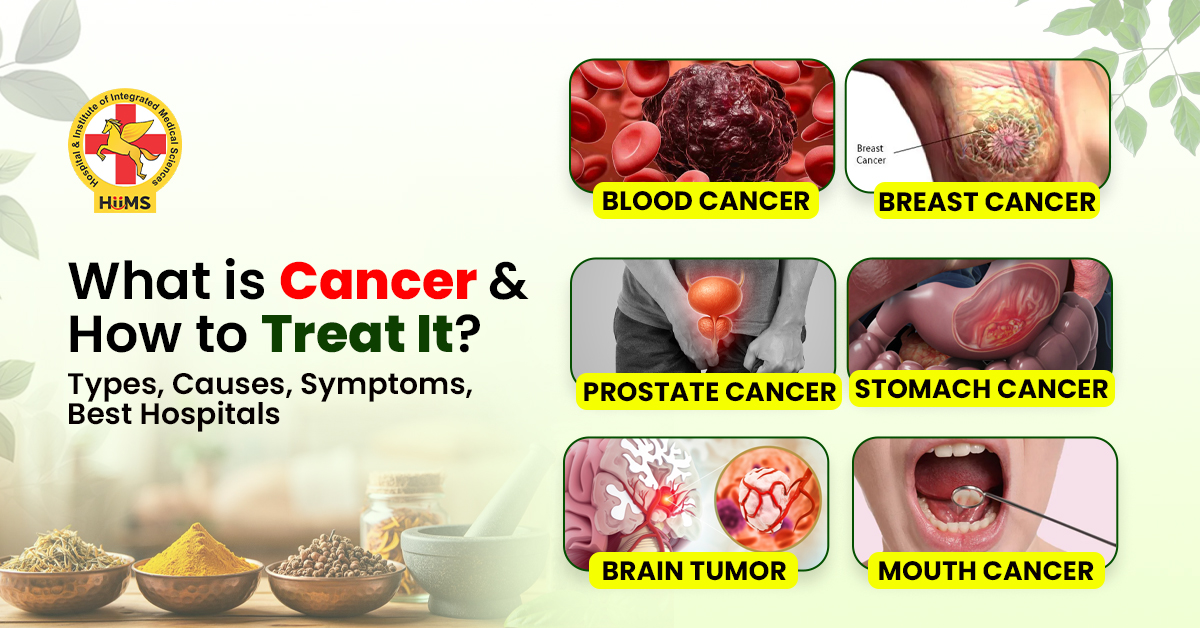

‘Cancer’ is a word that usually creates fear, confusion, and a lot of questions among people. In simple terms, it is a condition where some cells in the body start growing in an uncontrolled way. Instead of dying naturally, they keep multiplying and slowly affect nearby tissues. Today, cancer cases are rising more than before, and this is not just because of one reason. It is because of today’s lifestyle, food habits, stress, pollution, and even genetics that all play a role somewhere.
Many people still feel lost when it comes to understanding cancer. What causes it? What are the early signs? Can it be managed naturally? So for all these questions, this blog tries to answer in a simple and clear way. In this, you will read about the different types of cancer, common symptoms, modern treatments, and how Ayurveda looks at healing in a more natural and balanced way.
What is Cancer?
Cancer starts when normal body cells don’t behave like they usually do. They are supposed to grow, divide, and then die at the right time, but here that pattern breaks. Instead of that, the cells keep growing without stopping. Slowly, they build up together and form a lump, which we call a tumor.
There are two types of tumors:
- Benign tumors – These are non-cancerous and do not spread
- Malignant tumors – These are cancerous and can spread to other parts of the body
When cancer spreads, it becomes harder to manage, which is why early understanding is important.
What are the Common Types of Cancer
There are many types of cancer, depending on where it starts in the body. Some of the most common ones are:
- Breast cancer
- Lung cancer
- Kidney cancer
- Blood cancer
- Brain tumor cancer
- Prostate cancer
- Ovarian cancer
- Liver cancer
- Mouth cancer (oral cancer)
Apart from these, people may also hear about colon cancer, bladder cancer, pancreatic cancer, thyroid cancer, stomach cancer, and cervical cancer. Each type affects the body in a different way, but the root cause or issue remains the same, and that is uncontrolled cell growth.
What Causes Cancer
Cancer does not develop or create overnight. It usually develops slowly due to multiple factors. Such as:
- Smoking and alcohol – These are among the biggest causes, especially for lung and mouth cancer.
- Unhealthy diet – Processed food, excess sugar, and low nutrition affect body balance.
- Genetic factors – In some cases, it runs in families and comes through genes.
- Pollution and toxins – Everyday exposure to chemicals in air, water, and food.
- Radiation exposure – Being exposed for a long time can affect body cells over time.
- Stress and poor lifestyle – Irregular sleep, no routine, and ongoing stress.
As you can see, it is generally a mix of these reasons, not just one.
What Are the Symptoms of Cancer
Early Symptoms
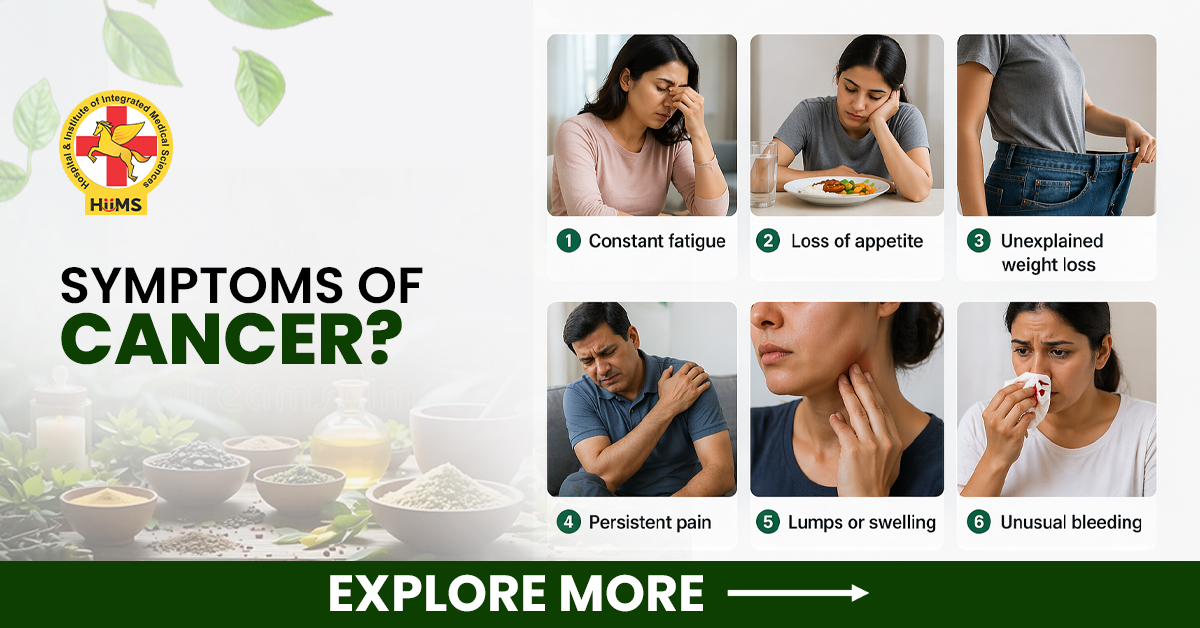
In the early stages, cancer may not show strong signs, but some small changes can be noticed. Like:
- Unexplained weight loss
- Constant fatigue
- Loss of appetite
Advanced Symptoms
And then, as the condition progresses, symptoms may become more visible. Such as:
- Persistent pain
- Lumps or swelling in the body
- Unusual bleeding
Listening to and understanding your body and not ignoring these signs can make a big difference.
How Cancer Affects the Body
Cancer slowly weakens the body from the inside.
- It affects the immune system, making the body less able to fight infections.
- It damages organs, depending on where it spreads.
- Daily life gets disturbed due to weakness, pain, and emotional stress
And because of that, even simple tasks can start feeling difficult over time.
Cancer Treatment Options in Modern Medicine
Common Treatments
Modern medicine offers different ways to manage cancer. Such as:
- Surgery – For removing the tumor
- Chemotherapy – Using drugs to kill cancer cells
- Radiation therapy – Using high-energy rays basically radiation to destroy cells
These treatments can generally be combined depending on the case of the patient.
Side Effects of Modern Cancer Treatments
Common Side Effects
While these treatments can be helpful, they also come with challenges:
- Hair loss
- Nausea and vomiting
- Weakness and fatigue
Chemotherapy – Duration and Impact
Chemotherapy can last for months. It affects not only cancer cells but also healthy cells, which is why people feel very weak during the process.
Radiation Therapy Effects
Radiation may cause skin irritation, tiredness, and internal discomfort depending on the area treated.
Cost of Treatment
Cancer treatment can be expensive and long-term, which adds financial pressure as well as emotional pressure on families.
Emotional and Long-Term Challenges
Patients often face anxiety, fear, and emotional stress. Even after treatment, recovery can take time.
Ayurvedic Treatment for Cancer
Ayurveda looks at cancer in a different way. Instead of focusing only on the disease, it looks at the whole body and tries to bring it back into balance.
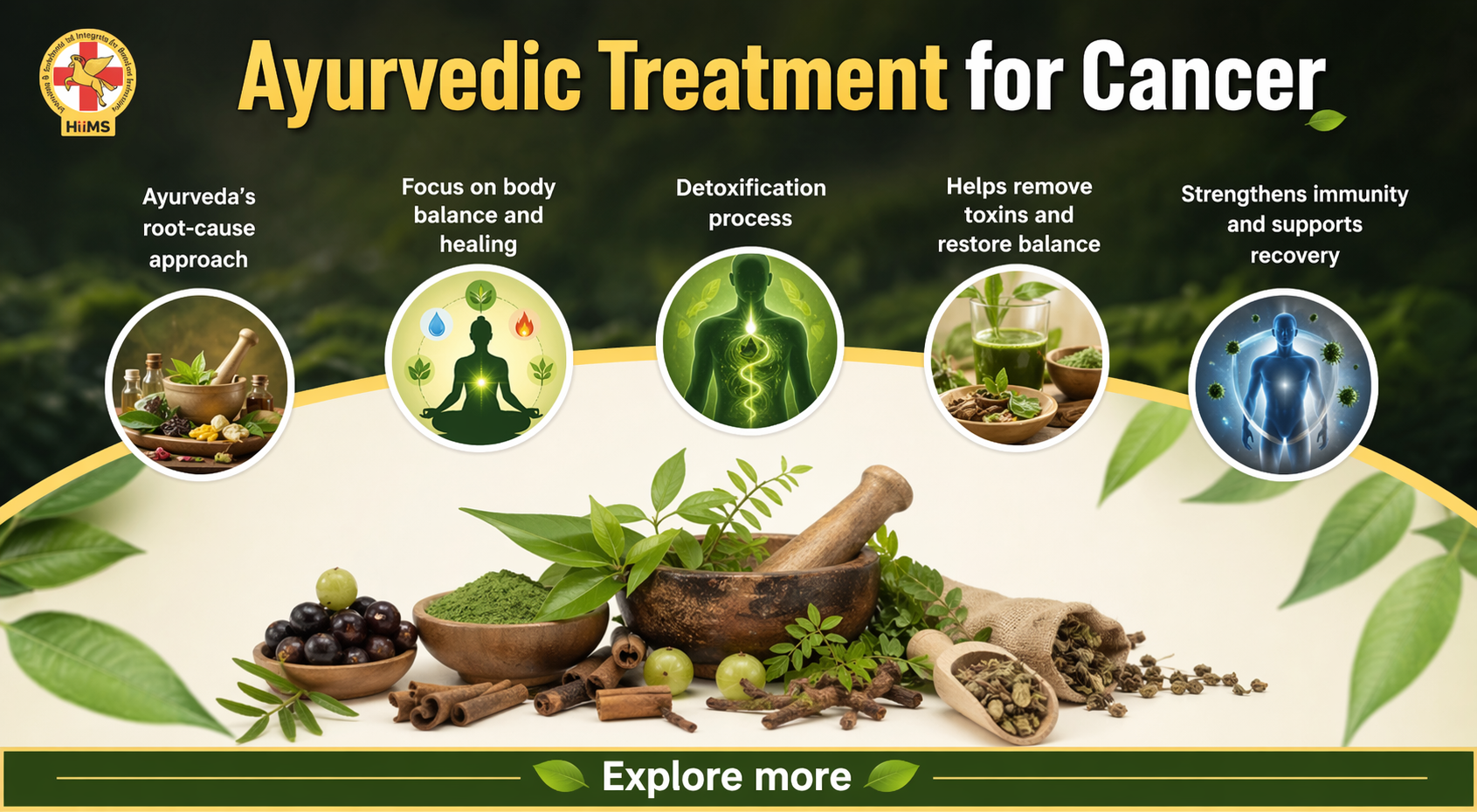
At integrated hospitals like Jeena Sikho HiiMS, the focus stays on finding the root cause and helping the body in a natural way.
Ayurveda’s Approach
- Works on body balance
- Strengthens immunity
- Supports natural healing
Panchakarma Therapy
Panchakarma is a detox process that helps remove toxins from the body and improve internal balance.
Special Ayurvedic Therapies
Along with that, at Jeena Sikho HiiMS, there are special Ayurvedic therapies or treatment methods that are beneficial in this disease. Many people who came for treatment have said that after taking these Ayurvedic therapies, they slowly started feeling better, with improved strength and a bit more comfort in their daily life.
- Golden Therapy: A herbal mixture made from neem, guava, peepal, banyan, turmeric, and a few other natural ingredients is used on the body from the outside. Over time, it helps with detox and supports better cell balance.
- Ayurvedic Detox Juice: It’s made from green leaves, amla, ginger, beetroot, along with a few other herbs. Usually take it in the morning, or as advised by the doctors. Over time, it helps clean the digestive system and you may feel a bit more active.
- Fasting and Autophagy Support: Monitored fasting for a specific time frame gives the body time to repair itself. It supports a natural process where damaged cells are cleaned out.
Herbal Support
Some commonly used herbs include:
- Giloy – helps improve immunity
- Ashwagandha – reduces weakness and stress
- Turmeric – supports inflammation control
- Neem – helps purify the blood
- Tulsi – keeps body systems balanced
These herbs are used carefully based on the patient’s condition.
Diet and Lifestyle for Cancer Care
What to Eat
- Fresh fruits and vegetables
- Herbal drinks
- Light and easy-to-digest meals
What to Avoid
- Junk and processed food
- Excess sugar
- Alcohol
Lifestyle Tips
- Practice yoga and meditation
- Maintain proper sleep
- Manage stress in daily life
Small daily habits can make a big difference over time.
How to Choose the Best Cancer Hospital
Choosing the right place for treatment is very important for a healthy recovery. So for that, look for:
- Experienced doctors
- Personalized treatment plans
- A holistic approach, not just medicines
- Proper follow-up and long-term care
How Jeena Sikho HiiMS Helps in Cancer Care
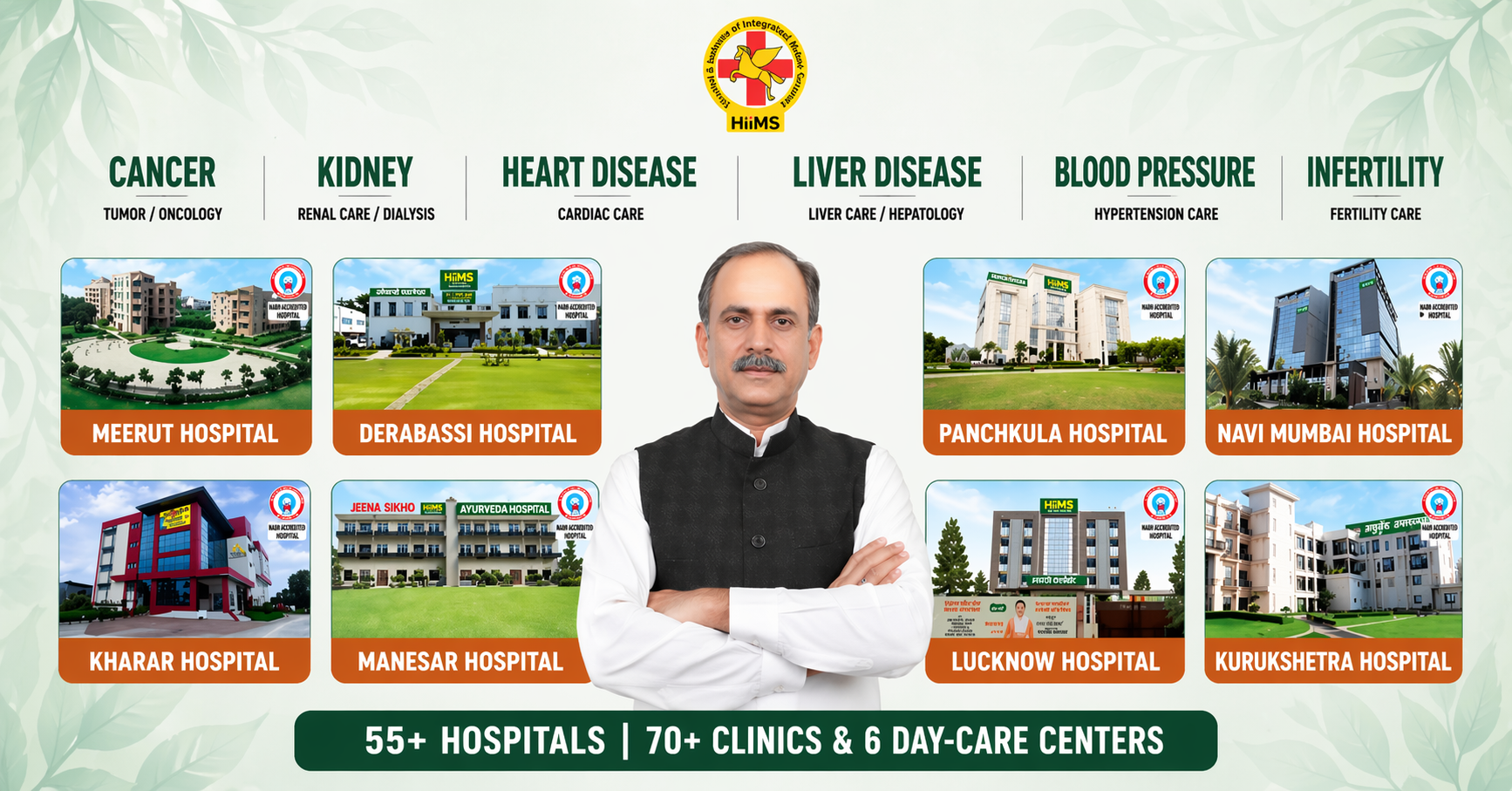
At Jeena Sikho HiiMS, the approach is simple, but it goes deeper and looks at the root cause.
- Treatment is followed and done by natural methods
- Daily habits are worked on and improved
- Care is not the same for everyone, it is planned as per the person
- Patients are also guided about the condition and how they can stay better
- The focus stays on long-term improvement, not just quick relief
The idea is to help the body recover in its own way from within.
Conclusion
Cancer is not just one disease. It affects the body, mind and daily life at the same time. It builds slowly, often linked to lifestyle, surroundings and internal imbalance. Early signs often go unnoticed, so awareness is important.
Modern treatments like surgery, chemotherapy, and radiation are commonly used, but they can also bring physical, emotional, and financial strain. That’s where Ayurveda comes in, a little differently; basically, it doesn’t rush things. The focus stays on cleaning the body from inside, helping strength come back slowly, and getting things back into balance in a natural way.
If it’s understood early, taken care of on time, and supported with better daily habits and the right guidance, cancer can be handled in a more stable way.
If you’re thinking of going for a more natural and supportive way, you can also connect with the expert doctors at Jeena Sikho HiiMS through an online video consultation and talk about your concerns from home itself.
FAQs
Q1: What is cancer in simple words?
Cancer is when some cells in the body start growing on their own and slowly disturb how the body usually works.
Q2: What are the main causes of cancer?
Things like smoking, poor eating habits, stress, pollution, genetics, and an overall unhealthy lifestyle are some of the common reasons.
Q3: Can Ayurveda help in cancer treatment?
Ayurveda works by bringing the body back into balance, helping immunity improve over time, and slowly building overall strength, mostly as a support.
Q4: What are the early symptoms of cancer?
Weight loss, fatigue, and loss of appetite are some early signs.
Q5: How to choose the best cancer hospital?
Look for doctors who have good experience, care that is planned for the person, and an approach that looks at overall health, not just treatment.
Ayurvedic Cancer Care Products
100% natural, certified Ayurvedic formulations crafted for targeted cancer wellness.



Disclaimer: The information provided on this blog is for general educational and informational purposes only. It is not intended to replace professional medical advice, diagnosis, or treatment. Always consult a qualified healthcare professional before making any changes to your diet, lifestyle, or treatment plan. Individual results may vary.




1 comment