

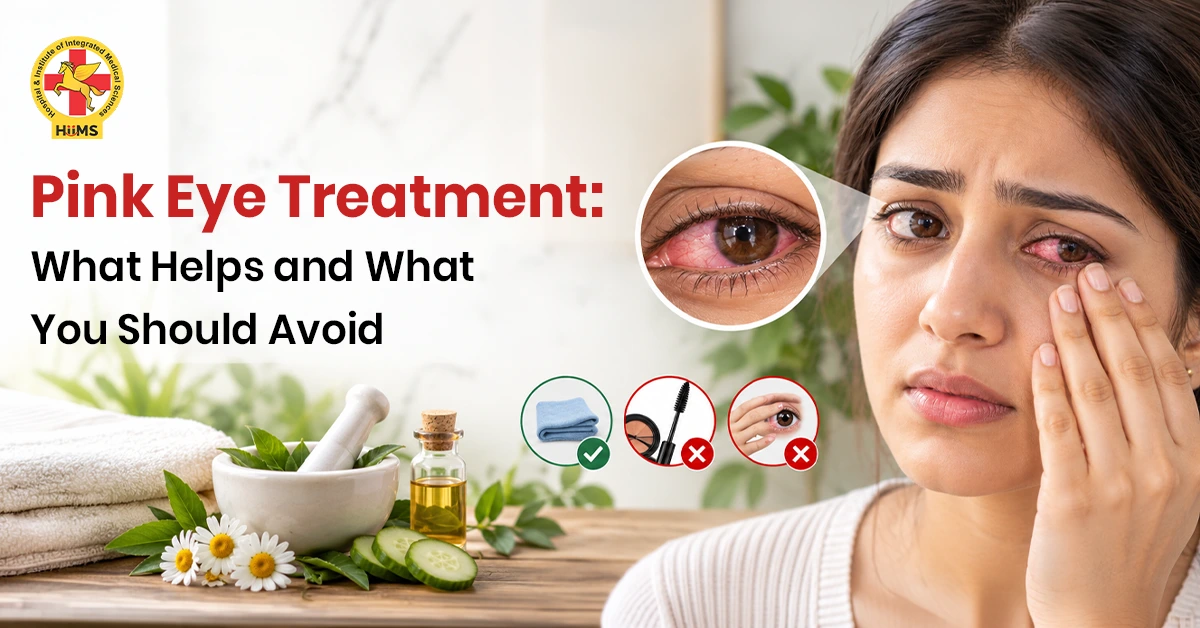
Having your eye turn red, watery, and irritated after waking up is always quite distressing, particularly since you may not know whether your eye is just irritated or is suffering from an infection.
While pink eye is widespread, redness does not always mean the same thing; it could be caused by viruses, bacteria, allergies, or even irritation from elements such as smoke and chemicals.
The varied reasons make it necessary for pink eye treatment in different ways.
The best part is that you will find many mild cases that will require basic treatments until the healing process takes place. You can do so much as to prevent the spread of this condition to the other eye and to other individuals as well.
What Are the Common Signs of Pink Eye?
Pink eye, medically known as conjunctivitis, can cause redness, watering, itching, burning, swelling, and discharge. Some people may also feel as though something is stuck in the eye.
Thick yellow, green, or white discharge can occur with some bacterial infections, while itching is often more noticeable with allergic conjunctivitis.
What Helps With Pink Eye?
The right conjunctivitis treatment depends on its cause. For mild cases, the following measures may help reduce discomfort.
Apply Clean Compress
Apply a clean, moist cloth to your eye. A cool compress could help reduce irritation and swelling, while a warm compress may help relieve the crusts from your eyelids.
Always use a different clean cloth for each eye, if both of your eyes are infected.
Take Artificial Tears
Eye drops that moisturise the eyes, or artificial tears, can be very helpful with dry and irritated eyes. This treatment option is widely used at home when treating pink eye, especially if the patient has a sensation of grittiness and irritation in his eyes.
Keep Your Eyes Clean
Clean any discharge around the eyes using clean hands and a wet clean cloth or cotton. Remember to wash your hands before and after touching your eyes.
Apply Proper Treatment According to the Cause
Viral pink eye often resolves itself and therefore doesn’t need any special treatment. Sometimes bacterial conjunctivitis may require antibiotic eye drops in case of much discharge and some risks.
Allergic conjunctivitis can be resolved by removing the cause, as well as taking antiallergic eye drops. That’s why it is wrong to use eye drops of another person and apply antibiotic drops yourself.
What Should You Avoid During Pink Eye?
Good pink eye care is not only about treating symptoms. It is also about preventing irritation and infection from spreading.
Stop Wearing Contact Lenses
Do not wear contact lenses when you experience signs of conjunctivitis. Take the advice of your eye care professional on when it is appropriate to wear contact lenses again, as well as changing your disposable lenses/cases.
Do Not Rub Your Eyes
Rubbing can increase irritation and may transfer infection from one eye to the other. Try to keep your hands away from your eyes, especially if they are not clean.
Do Not Share Personal Items
Towels, pillowcases, washcloths, eye makeup, makeup brushes, and eye drops should not be shared. Viral and bacterial pink eye can spread easily through contaminated hands and personal items.
Avoid Unproven Eye Remedies
Do not put homemade herbal mixtures, breast milk, or other unapproved substances into your eyes. The eye is sensitive, and an unsuitable product can cause further irritation or injury.
How Can You Prevent Pink Eye From Spreading?
In case of an infectious cause, hygiene plays a major role in prevention. Handwashing is important, as hands should be washed with soap and water for about 20 seconds.
Try not to touch your eyes and regularly wash things like towels and pillowcases. Do not swim when suffering from an eye infection, and do not use any kind of eye makeup.
Eye care at Jeena Sikho HiiMS is tailored in accordance with the cause of the eye disease and the particular condition.
Depending upon the assessment done, Ayurveda treatment can involve diet and lifestyle modification, herbs, Panchakarma, and Ayurvedic eye care treatments like Akshi Tarpan.
When Should You See an Eye Doctor?
It must be pointed out that all cases of red eyes do not happen due to an obvious case of conjunctivitis.
Should you experience problems with eye pain, sensitivity to light, difficulty in seeing, and/or discharge from the eye, you need to consult a doctor immediately.
For those who wear contacts, some eye infections can be very serious. All infants showing symptoms of pink eye need to see a doctor immediately.

Conclusion
The best pink eye remedies depend on what is causing the irritation. A clean compress, artificial tears, good hygiene, and temporary contact lens avoidance can provide useful support for many mild cases.
Antibiotic- or allergy-specific conjunctivitis treatment or pink eye treatment should be used according to the cause and professional advice.
At Jeena Sikho HiiMS, individual care can help you understand the likely cause of your symptoms and choose suitable supportive measures. For personalised guidance, you can connect through VOPD consultation.
FAQs
Q1. How long does pink eye take to clear up?
This depends on the type of infection. While viral pink eye will take from several days to weeks, bacterial or allergic will have their own recovery period.
Q2. How do I treat pink eye at home?
A clean cold or hot compress, artificial tears, washing the eye and maintaining good hand hygiene can ease the condition in mild cases.
Q3. Should I use antibiotic eye drops for my pink eye?
Antibiotics won’t be necessary in all cases, since there is no benefit in using them for viral conjunctivitis. Treatment depends on its type.
Q4. Is there a chance of pink eye spreading to the other eye?
If it is an infectious condition, it may travel to the other eye by way of your hands and other objects that you touch.
Q5. Is pink eye an emergency?
Cases with severe eye pain, changes in vision, sensitivity to light and a lot of discharge should receive medical attention without delay.