

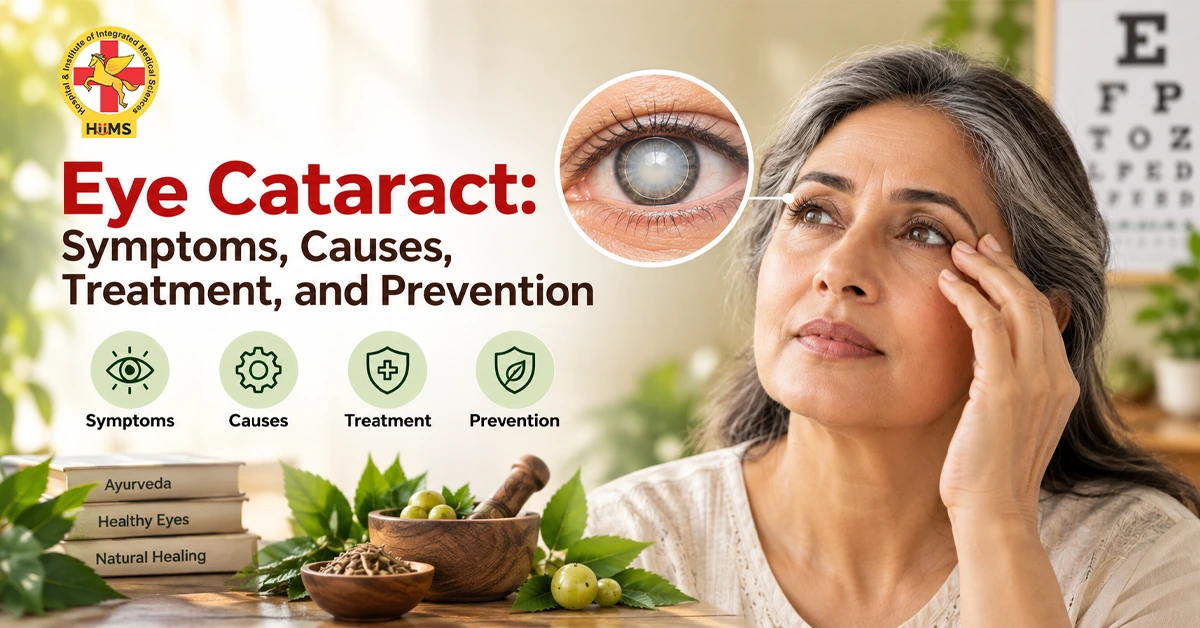
A cataract refers to an opaque area that occurs in the eye’s natural lens. The lens focuses light on our vision. As a result of the lens becoming opaque, a person’s vision may gradually become blurry and hazy. In addition to being associated with old age, eye cataracts may also be related to eye injuries, diabetes, long-term use of steroids, smoking, and excess sunlight.
The development of a cataract happens slowly, and therefore one cannot notice it immediately. With the progression of time, some actions, like reading books, driving during night hours, and seeing clearly when there is strong light, will become difficult.
Having knowledge of the signs of cataracts, cataract risk factors, types, and cataract treatment options can help you take care of your eyes properly. In this blog we will discuss about all these things.
What Are the Symptoms of Cataract?
The symptoms associated with eye cataracts may be characterised by:
- Blurred vision
- Poor vision, especially when driving at night
- Poor tolerance to bright light
- Vision that appears as if you are looking through a fogged-up window
- Yellowing of vision
- Need for frequent changes in prescription of eyeglasses
- Double vision from one eye
It should be noted that these symptoms may manifest slowly. There are other diseases with similar symptoms, thus making eye tests crucial. If you are feeling any of such symptoms and have doubts you can 
What Causes Cataracts?
Most cataracts develop because of natural changes in the eye with age. There can be damage to the protein and fiber within the lens, leading to the clouding of the lens.
Other potential causes and risk factors may be:
-
- Diabetes
- Injury to the eye
- Any prior surgery on the eye
- Long-term steroid medication use
- Overexposure to sunlight
- Smoking
- Heavy alcohol consumption
- Family history of eye cataracts
You can read more about these causes and risk factors in the National Eye Institute’s cataract guide.
What Are the Types of Cataracts?
Cataracts can develop in different parts of the lens. Different types of cataracts are:
Nuclear Cataract
This develops in the central part of the lens and is commonly associated with ageing.
Cortical Cataract
It forms at the outer layer of the lens and may lead to the cloudy or spot-like appearances.
Posterior Subcapsular Cataract
It forms on the rear surface of the lens and may lead to glare and problems in reading or under bright light. The type of cataract is determined through eye examination.
How Is a Cataract Diagnosed?
The eye specialist will be able to determine whether there is a cataract through a comprehensive eye test. This involves the visual acuity test, eye examination using special equipment, and dilation of the eyes.
Regular eye exams become especially important when vision changes occur. Similar symptoms can sometimes result from other eye problems.
What Are the Cataract Treatment Options?
Treatment depends on how much the eye cataract is affecting vision and everyday activities.
Early Care
In the early stage, brighter lighting, updated glasses, magnifying lenses and anti-glare sunglasses may make daily activities easier. However, these measures do not remove the cataract.
Cataract Surgery
If cataracts make daily activities difficult, an ophthalmologist may recommend cataract surgery. This can include reading, driving, or watching television.
During the surgery, the doctor removes the cloudy natural lens. They then replace it with a synthetic intraocular lens (IOL).
Cataract surgery can improve vision, but like any surgical procedure, it may have certain risks and complications. Some people may experience inflammation, infection, or other eye-related complications. In some cases, the capsule behind the artificial lens can become cloudy months or years later, causing blurred vision again.
This is known as posterior capsule opacification and can usually be managed with a laser procedure. Therefore, the possible benefits and risks should be discussed with an eye specialist before surgery.
Can Ayurveda Support Eye Health?
Ayurveda looks at a more holistic approach of maintaining eye health by looking at diet, digestion, routine habits, lifestyle, and the state of balance within the entire body system.
At Jeena Sikho HiiMS, Ayurvedic eye care may include personalised advice on diet and lifestyle. It may also include traditional therapies such as Akshi Tarpan, where medicated ghee or oil is placed around the eyes.
Practitioners personalise the approach based on the person’s eye condition, health history, and individual needs. However, a formed cataract should be assessed by an eye specialist. Ayurvedic therapies should not replace medically recommended cataract surgery.
If you are looking for Ayurvedic guidance, the HiiMS team can help you understand suitable eye-care options.
How Can Cataracts Be Prevented?
Not every cataract can be prevented, particularly those associated with ageing. However, some habits can support long-term eye health.
Prevent UV Radiation Exposure
Use sunglasses to protect yourself from exposure to UV rays, and use a broad-brimmed hat while you are outdoors.
Eat Balanced Diets
Vegetables, green vegetables, fruits, nuts, and whole grains should be included in your diet. Good nutrition will promote good eye health by preventing diabetes, among other diseases.
Do Not Smoke
Smokers have a higher risk of developing cataracts compared to non-smokers. Avoiding smoking will help keep both your body and eyes healthy.
Control Existing Diseases
Diabetes increases one’s risk of developing cataracts. You should manage any existing conditions.
Get Eye Tests Periodically
Eye tests will ensure that you get diagnosed with any eye condition, like cataracts. If you think your poor vision is a result of old age, go for an eye test.
When Should You See an Eye Specialist?
Seek an eye expert if you experience:
- Progressive blurriness in your vision
- Night blindness
- Glare from bright lights
- Constant changes to your spectacle prescription
- Darkening or yellowing of colours
- Problems reading or performing normal tasks
Changes in your vision suddenly, serious eye pain, flashing lights, or floaters need urgent medical assistance.

Conclusion
Eye cataracts are prevalent and may take time to occur as one gets older. Knowledge of symptoms, knowledge of risk factors, routine eye examination, good diet, UV exposure prevention, no smoking, and good management of any underlying conditions could help maintain good eyesight. Should cataracts start affecting your ability to perform everyday tasks, see an ophthalmologist for further diagnosis. For personalised Ayurvedic advice and eye care, you may make an appointment for VOPD with Jeena Sikho HiiMS.
FAQs
Q1. Definition of Eye Cataract
Cataract is the process where there is a cloudy formation in the natural lens of the eye, leading to blurred vision.
Q2. Symptoms of Cataract
Symptoms include blurry vision, glare, a halo appearance around light, difficult vision at night, and fading colours.
Q3. What is the main treatment for cataracts?
Cataract surgery is the established treatment for removing a formed cataract when it affects vision and daily activities.
Q4. Can you prevent the formation of cataracts?
You cannot entirely prevent age-related cataracts; however, you may try protecting yourself from ultraviolet rays, avoid smoking, adopt healthy eating habits, and control your ailments.
Q5. Can Ayurvedic remedies remove cataracts?
There is not sufficient evidence to say that Ayurvedic herbs or natural eye remedies can remove a formed cataract. An eye specialist should assess the condition.