
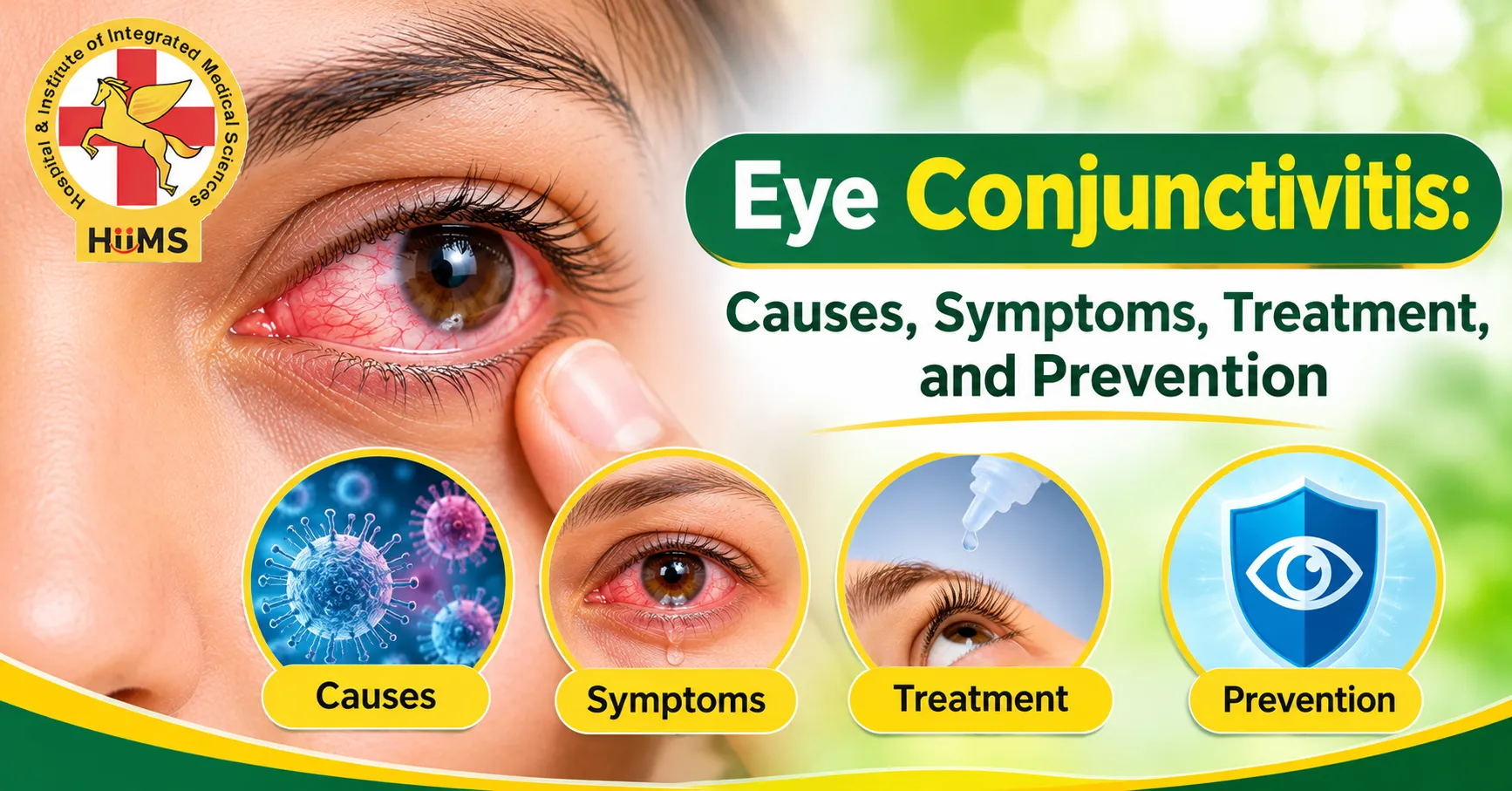

You wake up in the morning, look in the mirror, and notice one eye looks pink, swollen, and slightly stuck shut. Or you’ve spent the whole day on a screen and your eyes feel hot, heavy and tired. Both problems can make your eyes red and uncomfortable, and they are easy to mix up. But they are quite different, and the right care depends on knowing which one you have.
Eye conjunctivitis, commonly called pink eye, is an inflammation of the conjunctiva, the thin, clear membrane covering the white of the eye and the inside of the eyelids. Conjunctivitis is generally the result of an infection by viruses, bacteria, or allergies. Tired eyes, on the contrary, are often brought about by excessive straining of the eyes or too much use of computers and are not infectious.
As screen time has become increasingly prevalent in our daily lives, either for work, study, or leisure purposes, so too have issues such as eye fatigue. Learning the distinction between the two conditions can enable you to determine when it is appropriate to seek professional advice or to make adjustments in your lifestyle. In this blog post, we discuss the cause, symptoms, treatment, and prevention of conjunctivitis as well as some natural ways to soothe tired and strained eyes.
What Is Conjunctivitis?
The conjunctiva is a membrane that covers the white portion of the eye as well as the inner surfaces of the eyelids. The inflammation of this tissue is called conjunctivitis, and the swelling of the small blood vessels of the tissue makes the eye look pink.
Conjunctivitis can occur in one eye or both eyes. This condition usually resolves on its own, and no harm is done, but some cases might require medical intervention. It is essential to identify the cause of this disease as viral, bacterial, allergic, and irritant forms of conjunctivitis are managed differently.
Causes of Conjunctivitis
Conjunctivitis can develop due to several reasons:
- Viral: The most common infectious cause in adults, often linked to adenoviruses and frequently appearing alongside a cold. It is very contagious and usually brings watery discharge.
- Bacterial: Also contagious. It often causes thick yellow-green discharge that can crust the eyelids together, especially after waking. Poor contact lens habits can contribute.
- Allergic: Triggered by pollen, dust mites, mould or pet dander. It typically affects both eyes with intense itching and is not contagious.
- Irritants: Smoke, chlorine, dust, cosmetics, chemicals or a foreign object in the eye can cause irritation and redness. These cases are not contagious.
Symptoms of Conjunctivitis
The symptoms of eye conjunctivitis may vary depending on its underlying cause. Common signs include:
- Pink or red eye in one or both eyes.
- Watery discharge or thick yellow-green discharge.
- Itching, burning or a gritty feeling.
- Swollen eyelids or crusting on the lashes.
- Mild light sensitivity or excessive tearing.
Seek immediate medical care if you experience severe pain in your eyes, blurred vision which does not improve when you blink, increased light sensitivity, increasing redness, or chemicals entering your eyes. Other symptoms requiring medical attention include redness and discharge in newborn babies.
Red eyes that aren’t getting better?
How Conjunctivitis Is Managed
Getting the right diagnosis matters, because drops that suit one type don’t help another.
- Viral conjunctivitis: It often clears on its own in about 1 to 2 weeks. Cold compresses and artificial tears can ease the discomfort. Antibiotics don’t work against viruses.
- Bacterial conjunctivitis: Can either settle without treatment or be treated with antibiotic drops/ointment recommended by your doctor. Softly remove crusts with a clean cotton wool and cool boiled water.
- Allergic conjunctivitis: Avoid irritants; apply cold compresses and eye drops/anti-histamines as per your doctor’s recommendation.
- Irritant conjunctivitis: Rinse your eye with clean water immediately. If the eyes have been splashed by a chemical or there is a foreign body which cannot be removed from the eyes, seek immediate medical attention.
An Ayurvedic Approach to Eye Care
Ayurveda emphasises maintaining overall health through daily routines, dietary practices and individualised care. Centres like Jeena Sikho HiiMS discuss supportive measures such as cold compresses, lubricating drops and rest, and also mention herbal compresses and washes within Ayurvedic care.
The eyes are delicate, so always confirm any herbal wash or home application with a qualified eye specialist first. This is particularly important if you have severe pain, vision changes, light sensitivity, wear contact lenses, or are caring for a child or infant. Never put unverified substances such as raw herbs, honey, breast milk or unfiltered water into the eye.
Pink Eye or Tired Eyes? How to Tell the Difference
Redness, burning and discomfort can occur with both conjunctivitis and eye strain, but their underlying causes are different.
| Conjunctivitis | Tired or strained eyes | |
| Discharge or crusting | Common | Usually none |
| Contagious | Viral and bacterial types are | No |
| Typical trigger | Infection, allergy, irritant | Screens, reading, poor lighting |
| Relief | Depends on the cause. | Rest, breaks, lubrication |
| Needs a doctor | Often | If persistent |
If your eyes are only tired, dry or heavy after screens, with no discharge, strain is the likelier culprit. However, persistent redness or discomfort should not be self-diagnosed.
Natural Ways to Soothe Tired and Strained Eyes
Digital eye strain is common among people who spend prolonged periods using computers, mobile phones and other digital devices. Symptoms may include dry eyes, itching, a foreign body sensation, watering, blurred vision and headaches.
A comprehensive review of digital eye strain discusses symptoms associated with prolonged digital device use. Another review suggests that digital eye strain may affect 50% or more of computer users. Although these symptoms can be uncomfortable, breaks, improved screen habits and artificial tears may help provide relief.
How to Prevent Eye Strain While Working on a Computer
In case your work requires you to sit on a computer for several hours, the following tips might be helpful in reducing your discomfort:
- 20-20-20 rule: Take a break by looking at something that is about 20 feet away from you for 20 seconds every 20 minutes. In one small study, reminders that urged users to take breaks based on 20-20-20 rule helped decrease dry eyes and digital eye strain problems.
- Proper arrangement of your screen: Position it about 20-26 inches away from you. The screen should be a bit lower than the eye level.
- Blink properly: While working with a computer or other digital screens, people have fewer blinks than normal. Fewer blinks when working on a computer may cause dry eye symptoms.
- Work in proper light conditions and forget about blue-light glasses: Do not work in a dark room where there is a bright computer screen. Use comfortable lighting, and do not allow reflections from the screen on your eyes.
- Have regular eye examinations: Some problems may disappear if your vision is corrected with glasses or with another eye treatment.
Simple Exercises to Reduce Eye Fatigue

These simple exercises may help ease discomfort associated with prolonged screen use and close work.
- Conscious blinking: Slowly blink your eyes completely 10 times, giving yourself a pause between each blink while keeping your eyes shut for one second.
- Distance focusing: Focus on an object at a distance for 20 seconds, then focus on your finger close to your eyes, and return to looking far once again. Do this 5 to 10 times.
- Palming: Warm your palms by rubbing them together and cover your closed eyes with them for 30 to 60 seconds gently without applying any pressure on them.
- Figure eight exercise: Visualise a large figure eight placed sideways and draw it with your eyes from a distance of 10 feet for 30 seconds in both directions.
- Light massaging of the eyelids: Massage around your eye socket and temples with clean hands gently without applying any pressure on the eyeballs.
These exercises are meant for relaxation. They do not replace the eye exam if symptoms persist.
How to Relax Tired Eyes Naturally: Simple Comfort Measures
If you are thinking about how to relax tired eyes naturally after a lengthy working day, there is no need to worry because a couple of things might be useful:
- Cover your closed eyes with a cold or warm cloth for about 5 to 10 minutes.
- Put slices of cucumber on your eyes to cool down.
- Have enough sleep and be well-hydrated.
- Consume products with plenty of vitamin A, omega-3, and antioxidants, such as carrots, green vegetables, fruits, and nuts.
- Take short breaks in nature under sunlight.
- Minimise use of screens before going to bed.
Spending hours on a laptop or phone? Take the 20-20-20 challenge this week and notice the difference. Share this guide with a colleague who’s always rubbing their eyes.
How to Prevent Conjunctivitis
Viral and bacterial pink eye spread through contact with eye fluid or contaminated surfaces, so simple hygiene goes a long way.
- Wash your hands often with soap and water for at least 20 seconds.
- Avoid touching or rubbing your eyes.
- Don’t share towels, pillowcases, washcloths, eye makeup, eye drops or eyewear.
- Change pillowcases and towels regularly.
- Avoid contact lenses while symptomatic, and replace lenses and cases as advised.
- For allergies, limit exposure to triggers, keep windows closed during high-pollen periods and wash your face after being outdoors.
- Stay home from work or school while you have discharge and redness if the doctor says it’s contagious.
Following these preventive measures can help reduce the spread of infectious conjunctivitis and protect others from exposure.
When to See a Doctor
Seek medical care without delay if you notice:
- Severe eye pain
- Blurred vision that doesn’t clear
- Strong sensitivity to light
- A newborn with red or discharging eyes
- A chemical splash or something stuck in the eye
- Symptoms that worsen or don’t improve in a week or so
- Redness along with a history of contact lens wear
Conclusion
A red, irritated eye isn’t always the same problem. Conjunctivitis, whether viral, bacterial, allergic or from an irritant, needs the right diagnosis and the right care, and the contagious types need good hygiene to stop them spreading. Tired, strained eyes, on the other hand, usually respond to rest, regular breaks, full blinking, good screen setup and simple exercises.
Know the warning signs, avoid putting unverified remedies into your eyes, and don’t hesitate to see an eye specialist if symptoms are severe or persistent. Small daily habits, like looking away from the screen every 20 minutes, can help you maintain eye comfort and healthy screen habits.

FAQs
Q1. What is the main cause of conjunctivitis?
Viruses, bacteria and allergies are common causes of conjunctivitis. Irritants such as smoke, chlorine or chemicals can also cause it.
Q2. Is conjunctivitis contagious?
Viral and bacterial types are contagious. Allergic and irritant types are not.
Q3. How long does pink eye last?
Viral cases often clear up in 1 to 2 weeks. Bacterial cases may improve sooner with treatment. Allergic cases last as long as the exposure continues.
Q4. How can I relax tired eyes naturally?
Follow the 20-20-20 rule, blink fully, use a cool compress, try palming, sleep well and keep your screen at the right distance.
Q5. Do eye exercises really work for eye fatigue?
Evidence is limited but encouraging. Breaks and blinking exercises helped symptoms in small studies. They work best alongside good screen habits and regular eye exams.