

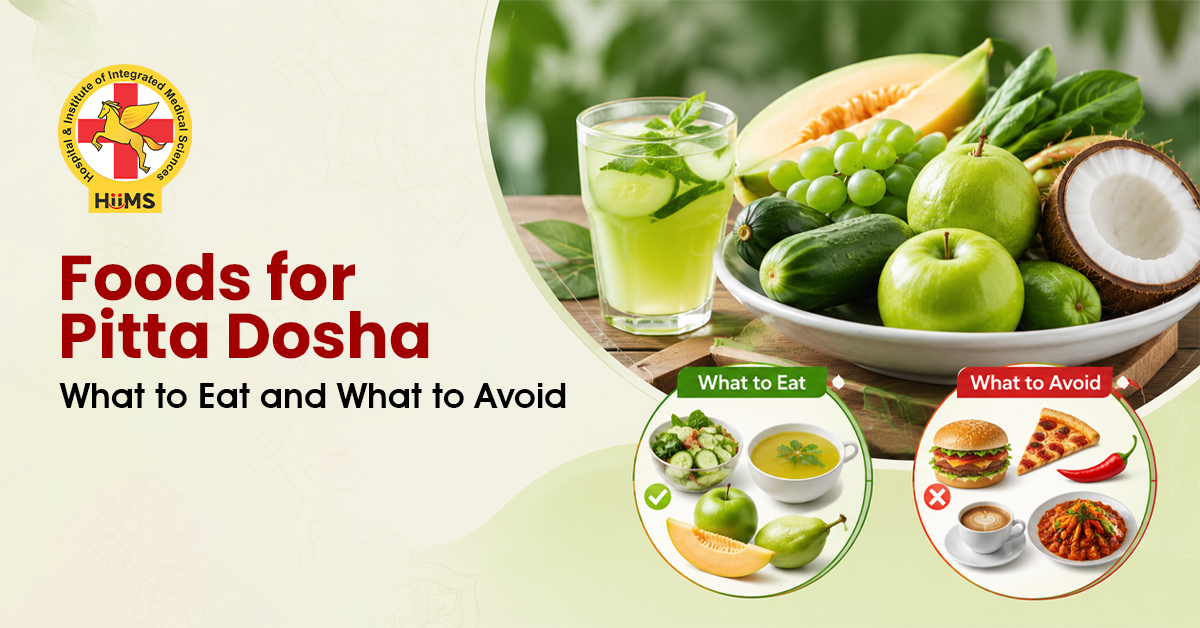
Did you notice that there are certain foods that keep you feeling fresh and comfortable, whereas other foods cause discomfort like heat or restlessness after consumption? For instance, some people experience acidity or burning in the stomach following a spicy food intake. Others may suffer from skin problems or excess perspiration when the climate is hot.
In the science of Ayurveda, all these experiences are attributed to the condition of Pitta dosha, which is one of the three energies existing in nature and regulating the human body. Pitta Dosha is responsible for heat, digestion, metabolism and transformation. Balanced pitta ensures good digestion and vitality of the organism. Unbalanced Pitta generates excess heat in the body.
Eating the Correct Foods for Pitta Dosha is one of the easiest methods of maintaining balance. Cooling, fresh, nourishing foods are recommended by Ayurveda, while those causing excess heat in the body should be avoided.
What Is Pitta Dosha?
The three Doshas used in Ayurveda to define the body are Vata, Pitta, and Kapha. An individual inherits his or her unique combination of these energies at birth called Prakriti.
The combination of fire and water elements gives rise to Pitta. Pitta controls many important processes in the body, such as:
- Food digestion
- Metabolism process
- Body temperature regulation
- Appetite
- Concentration and sharp mind
- Good complexion of the skin
While Pitta resides in every part of the body, its main locations are the stomach, small intestines, liver, blood, skin, and eyes.
How Do You Know If Pitta Is Out of Balance?
A Pitta imbalance manifests in an excess of heat in the body. Symptoms can vary from individual to individual, but common symptoms that people have experienced are:
- Acidity or heartburn frequently
- Burning sensation after eating food
- Sweating too much
- Unusually feeling warm
- Red skin or breakout of acne
- Increased thirst
- Loose bowel movements
- Impatience or irritability
- Hunger feelings that are unbearable when not having food for longer
Symptoms could be caused by any other health disorder as well.
Why Does Diet Matter for Pitta Dosha?
According to Ayurveda, there are different characteristics of foods, which include either hot, cold, heavy, light, dry, or oily. Pitta is by nature hot; therefore, foods that have cooling and fluid properties are recommended when Pitta is high.
Ayurveda suggests eating healthy food without strict limitations but selecting meals depending on body constitution, weather conditions, and activities of a person.
Foods for Pitta Dosha
Cooling Fruits
Fruits that are seasonal and have high water content are typically recommended to balance Pitta.
The following are some examples:
- Watermelon
- Sweet Grapes
- Pears
- Pomegranate
- Sweet Apples
- Coconut
- Muskmelon
These fruits can hydrate the body and are naturally refreshing.
Fresh Vegetables
Vegetables are an important part of a Pitta-friendly diet.
You may include:
- Cucumber
- Bottle gourd
- Ash gourd
- Pumpkin
- Zucchini
- Ridge gourd
- Green leafy vegetables
- Carrots
Lightly cooked vegetables are often easier to digest than heavily fried preparations.
Whole Grains
Whole grains provide steady energy without feeling too heavy.
Some of the good food choices are the following:
- rice
- barley
- oats
- quinoa
Such foods can be used along with vegetables and beans for preparing a healthy meal.
Legumes
Among pulses, lighter varieties are generally preferred.
Examples include:
- Green moong dal
- Yellow moong dal
- Masoor dal in moderation
Cooking them with mild spices can make them easier to digest.
Herbs and Natural Drinks
Several traditional herbs and natural beverages are commonly included in a Pitta-supportive diet.
These include:
- Fresh leaves of coriander
- Fennel seeds
- Mint
- Amla
- Coconut water
- Water mixed with coriander
It is suggested by Ayurveda that these foods have a cooling effect on the body.
Foods to Avoid for Pitta Dosha
There are certain foods that have been identified as increasing heat in the body and can exacerbate Pitta when consumed excessively or in high quantities.
These include:
- Very spicy foods
- Excessive red chillies
- Fried foods
- Highly oily foods
- Sour pickles
- Vinegar
- Fermented foods
- Too much salt
- Coffee
- Alcohol
- Carbonated beverages
- Packaged foods
- Too much refined sugar
It is preferable to consume these foods in moderation rather than cutting them out altogether.
Simple Eating Habits That Support Pitta Balance
The way you eat can be just as important as what you eat.
Simple tips are listed below:
- Eat at fixed intervals.
- Never skip any meals.
- Eat slowly and chew the food thoroughly.
- Choose fresh food over highly processed meals.
- Keep yourself hydrated all day long
- Never overeat, despite having a high appetite.
A few minor changes in one’s diet may help with digestion.
Lifestyle Tips Along with Foods for Pitta Dosha
Diet works best when combined with healthy daily routines.
Some simple practices include:
- Practise yoga regularly.
- Use some breathing techniques like Sheetali and Sheetkari Pranayama.
- Exposure to heat should be avoided, and one should spend some time in an area which is relatively cool.
- Try to get 7 to 8 hours of good sleep.
- Take out time for meditation or relaxation.
- Also include some physical exercise according to your fitness level.
Every Person is Different
While it is true that the guide provides information on the common foods for Pitta Dosha, it must be understood that there are many different factors that play an important role when determining dietary requirements according to Ayurvedic philosophy. This includes the age of an individual, climate, personal health conditions, and many others.
As a result, something that might suit one individual might not suit another. For this reason, seeking professional advice from an Ayurvedic expert is necessary.
Conclusion
Choosing appropriate foods for Pitta dosha is not about following a restrictive diet. This is related to the consumption of new, seasonal, and cooling food items which help the body regain its natural equilibrium. The healthy consumption of food along with exercising, stress management, good sleep, and other practices can help promote good health.
At Healing with Acharya Manish Ji, you will be able to understand your body constitution and get personalised advice in terms of Ayurveda. You can make an appointment for Prakriti Parikshan via the official website of Healing with Acharya Manish Ji.

FAQs
- What are the foods recommended for Pitta Dosha?
Calm fruits, fresh vegetables, whole grains, moong dal, coconut water, and coriander, fennel, and other herbs are recommended. - Foods which can increase Pitta?
Foods that are highly spiced, deep-fried, greasy, and processed in nature can trigger Pitta in some people. - Can seasonal fruits help in case of Pitta Dosha?
Seasonal fruits that are mostly fresh and contain high water content are suggested by Ayurveda. - Why is hydration so important for Pitta Dosha?
Water consumption is seen as a key factor in general balance, especially in the summer season. - Can diet alone balance Pitta Dosha?
Diet is one of the several things to consider when it comes to Ayurveda. Other elements include exercises, yoga, stress reduction, proper sleeping habits, etc.