
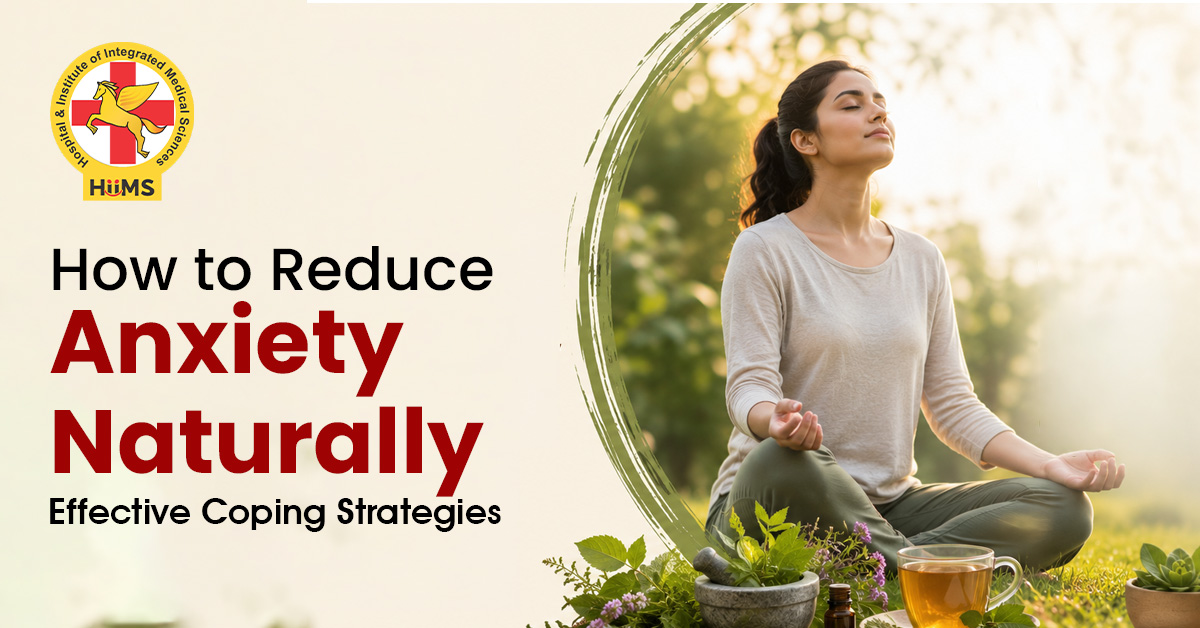

Anxiety may also impact the mind as well as the body. Being nervous before a significant occasion or in the face of difficult situations is a normal feeling; however, anxiety that is constant or intense starts to impact your sleep, attention, and work as well as your relationships. You may suffer from symptoms like restlessness, extreme worry, accelerated heart rate, sweating, trembling, or inability to relax.
In case if these symptoms persist, you should not ignore them. Knowing how to control anxiety in a natural way can be beneficial for dealing with day-to-day stress and for acquiring new healthy coping skills. Activities like breathing exercises, exercise, meditation, yoga, and sleeping enough, as well as cutting back on caffeine consumption, may be useful for some people.
What Is Anxiety?
This is a bodily response to any threat to one’s safety or stressful situation. One will feel alert and ready for the challenging situation that is coming up. Feeling worried can be a normal experience at times; however, with an anxiety disorder, it is much more than being nervous. It may persist for some time and can occur in many different circumstances.
Symptoms of anxiety can vary from one person to another. For example, some people may experience overwhelming worries, while others will notice changes physically, including heart racing, sweating, shaking, fast breathing, tense muscles, and insomnia.
Understanding these symptoms can help a person recognise when it may be time to seek additional support.
How to Reduce Anxiety During a Stressful Moment
When anxiety suddenly becomes intense, the first aim is to bring attention back to the present moment. A few simple techniques can be tried.
Try the 5 4 3 2 1 grounding technique.
Grounding can help shift attention away from overwhelming thoughts and towards the surroundings.
Notice:
- 5 things you can see
- 4 things you can touch
- 3 things you can hear
- 2 things you can smell
- 1 thing you can taste
The exercise encourages you to focus on what is happening around you instead of becoming completely absorbed in anxious thoughts.
Practise Slow Breathing
When a person feels anxious, breathing may become faster or shallower. Taking slow, controlled breaths can be a simple way to create a pause during a stressful moment.
Sit comfortably and breathe in slowly. Then breathe out gently and allow the exhalation to be slightly longer than the inhalation. Continue for a few minutes without forcing your breath.
Calming breathing exercises are also recommended as one of the self-help approaches for anxiety and panic.
Make Physical Activity Part of Your Routine
Regular movement is one of the useful ways to manage anxiety and everyday stress. Walking, cycling, swimming and other forms of exercise can help improve mood and may also support better sleep. Yoga can be another gentle option for people who prefer a mind-and-body-based activity.
You do not necessarily need a demanding workout. A daily walk, some stretching or a short yoga session can be a practical starting point.
If you have not exercised for a long time or have another health condition, choose an activity suitable for your health and gradually increase it.
Practise Mindfulness and Meditation
Mindfulness means paying attention to the present moment without immediately judging your thoughts or feelings. Instead of repeatedly thinking about what may happen tomorrow or what went wrong yesterday, you bring your attention to your breathing, surroundings or current activity.
Even a short daily practice can be included in a busy routine. You can sit quietly for a few minutes, focus on your breathing or practise mindful activities such as eating and walking.
Research reviewed by Mayo Clinic suggests that mindfulness may help reduce stress and ease anxiety by helping people stay focused on the present rather than becoming caught in repetitive worry.
Try Yoga for Anxiety and Stress
It comprises physical activity, breathing, and concentration and might be quite helpful when it comes to a relaxation process. Yoga that is not intense could assist in the process of relieving physical tensions and provide something productive for the mind to concentrate on.
Basic techniques like stretching, breathing, and relaxation at the end of yoga classes could be integrated into the regular practice.
Nevertheless, yoga should be regarded as an auxiliary technique. In case of chronic anxiety, it cannot be considered an alternative to a professional evaluation and therapy.
Improve Your Sleep Routine
Sleep problems tend to complicate stress-coping ability, leading to irritability and overwhelm. Thus, making sure to have a good night’s sleep can help relieve stress and anxiety relief.
It is essential to try to stick to a routine when it comes to going to bed and waking up. Make sure to create a comfortable atmosphere for sleeping and to avoid those things that may overly stimulate your brain before going to bed.
In case you suffer from anxiety that makes it impossible to fall asleep regularly, it is advisable to consult a doctor rather than use sleep aids.
Reduce Caffeine and Alcohol
Caffeine can make some people feel restless, nervous or jittery. It can also interfere with sleep, which may further affect how you cope with anxiety. If you notice that coffee, energy drinks, cola or strong tea make your symptoms worse, consider gradually reducing your intake.
Alcohol should not be used as a way to calm anxiety. Although it may initially make a person feel relaxed, it can worsen anxiety and affect sleep as its effects wear off.
Eat Regular and Balanced Meals
While food itself is not enough to reduce anxiety, having proper meals regularly may assist in improving one’s health, both physical and mental. There are various foods that can be part of a good diet, such as fruits, vegetables, and grains, among others.
One should try and avoid missing meals at any time during the day, especially if it makes them feel weak or uncomfortable. One may want to avoid taking a lot of coffee when stressed.
If you have a medical condition that requires a specific diet, your food choices should be planned accordingly.
Learn to Recognise Your Anxiety Triggers
Anxiety does not always appear without a reason. There could be certain circumstances, ideas, locations or behaviours that trigger anxiety.
Keeping a journal is an easy way to track a pattern. Make notes on the time anxiety is experienced, activities done prior to experiencing anxiety, any physical manifestations and what relieves the anxiety.
Over time, this can make it easier to understand personal triggers and choose suitable coping strategies. Journaling and identifying triggers are among the lifestyle strategies recommended for coping with anxiety.
Stay Connected With People You Trust
Anxiety can sometimes make people withdraw from family, friends and activities they normally enjoy. Open communication with a person you can confide in will serve as emotional support, as well as allow you to view the stressor in a different way.
Communication about the problem is not required all the time. Being surrounded by supportive people, going for a walk with them or just talking can assist in overcoming the feeling of loneliness.
If anxiety is affecting your relationships or making it difficult to participate in everyday activities, professional support may be useful.
Consider Progressive Muscle Relaxation
Anxiety can make the muscles stiff for a prolonged period of time. Progressive muscle relaxation requires the individual to progressively tense and relax different muscle groups separately.
This can begin from the toe region all the way up to the legs, abdomen, shoulders, and face. The purpose is to notice the difference between tension and relaxation.
This practice can be included before bedtime or during a quiet part of the day as part of a broader relaxation routine.
When Should You Seek Professional Help?
There are many natural ways of coping with stress; however, they shouldn’t prevent one from seeking professional assistance in case of serious or prolonged anxiety.
In case of:
- Long-term anxiety
- Anxiety which affects one’s ability to perform at work or study, maintain relationships
- Difficulties with sleeping due to anxiety
- Repeated attacks of fear or panic
- Avoidance of regular actions because of anxiety
- Losing the ability to cope with anxiety on your own
There are many treatment options for anxiety disorders, including psychotherapy, pharmacotherapy, or their combination based on the individual’s diagnosis and personal preferences. Cognitive-behavioural therapy is one of the most widely used types of psychotherapy for anxiety disorders.
If you ever feel that you may harm yourself or that you are in immediate danger, seek urgent professional help rather than trying to manage the situation alone.
A Simple Daily Routine for Anxiety Management
Some reliable practices will make it easy for one to manage anxiety. The following routine is possible through the following:
- Begin your day with a few minutes of breathing exercises or mindfulness practice.
- Eat healthy balanced meals.
- Ensure there is physical exercise for part of the day.
- Take short breaks if you work or study for a considerable amount of time.
- Reduce caffeine intake, especially if it makes you anxious or disrupts your sleep.
- Spend some time with your loved ones.
- Practice yoga, meditation, or other stress-relieving activities.
- Write down all worries that keep on repeating themselves.
- Have a fixed sleeping pattern.
- Consult a professional if the anxiety affects your daily functioning.
Conclusion
It is important to know that learning how to manage anxiety naturally is more about developing good habits that benefit both your physical and mental health than discovering a single solution to the problem. Regular exercise, proper sleep, breath control techniques, yoga, balanced nutrition, and decreasing consumption of substances which could intensify anxiety are only a few practices that you could include in your daily activities.
On the other hand, it is essential to realise that natural techniques cannot replace professional help in case anxiety starts to appear regularly and interferes with your life. Early identification of symptoms and treatment would help deal with the problem efficiently.

FAQs
- How do I naturally decrease my anxiety at home?
Relaxing breathing, grounding, meditation, exercise, yoga, good-quality sleep and cutting down the amount of caffeine are useful in managing moderate anxiety experienced on a daily basis.
- What is the fastest natural solution for calming anxiety?
Relaxing breathing and grounding may be useful in case of acute anxiety attacks. Attention can also be drawn from thoughts by focusing on the environment using the 5 4 3 2 1 method.
- Does yoga relieve anxiety?
Yoga can be useful for relaxing and reducing stress owing to the combination of breath and meditation exercises.
- Does caffeine make anxiety symptoms more severe?
Nervousness, restlessness, accelerated heart rate and sleep disorders can be caused by caffeine in some cases. It is recommended to cut down caffeine if you feel that it increases your anxiety level.
- When do I need professional help regarding my anxiety problems?
It is advisable to consult with a specialist in case of persistent, uncontrollable anxiety and anxiety-related insomnia, difficulty with work and relations or performing regular activities.