

Anxiety is something everyone experiences from time to time, like before an important test or a major presentation. But if worry, fear, or nervousness becomes strong, lasts a long time, and starts disrupting daily life, it could be a sign of an anxiety disorders.
These disorders rank among the most common mental health issues worldwide. They often bring strong mental tension, ongoing fear, and physical symptoms such as rapid heartbeat, sweating, or muscle tension, making ordinary tasks feel overwhelming.
This is more than just regular stress. Spotting these signs early helps in seeking the right anxiety treatment, managing symptoms effectively, and preventing long-term emotional and physical complications. Here, we’ll explore the common symptoms, causes and triggers, different types of anxiety disorders, and practical ways to control anxiety.
Common Causes and Triggers of Anxiety Disorders
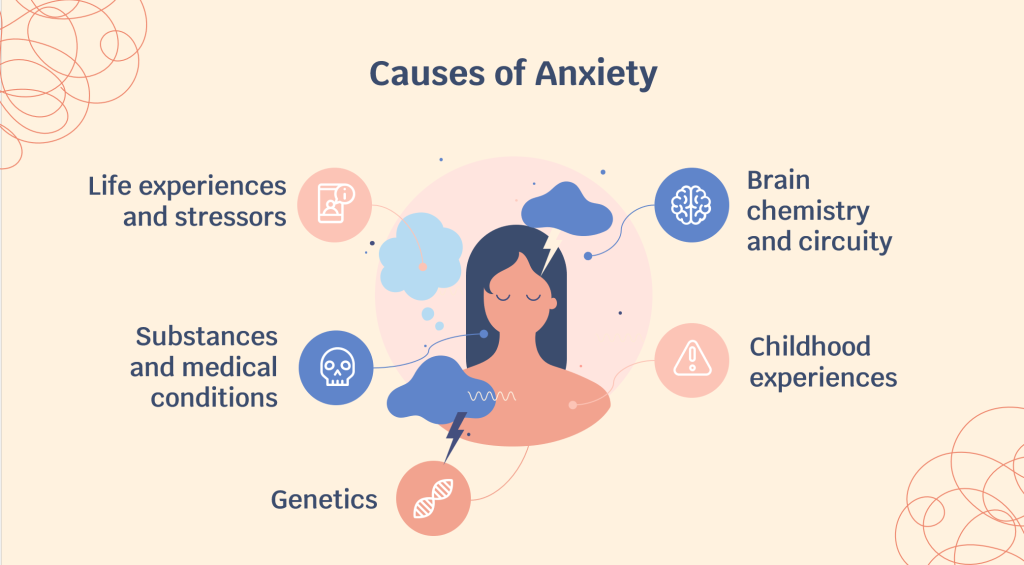
Even though experts are still learning about why anxiety-related disorders develop, several common causes and triggers have been recognized. These causes can vary from person to person, yet some are more common than others.
- Genetics and Family History
Anxiety disorders often appear in families, which suggests that genetics may play a role.
- Stressful Life Events
Major life events, such as the death of a loved one, financial struggles, or serious illness, can trigger anxiety.
- Brain Chemistry and Function
Alterations in certain chemicals in the brain can affect how fear and stress are felt.
- Everyday Triggers
Everyday things like drinking too much coffee, having a busy schedule, conflicts at work, or crowded social events can trigger anxiety.
Recognizing these common causes and triggers is helpful when learning how to control anxiety and make lifestyle adjustments that ease symptoms.
Common Symptoms of Anxiety Disorders
People with anxiety-related disorders may feel things that affect both their mind and body. These are not just occasional worries but intense reactions that are hard to control.
Emotional and Mental Symptoms
- Persistent and excessive worry about everyday situations.
- Feeling nervous, tense, or “on edge”.
- A strong sense of panic in situations that aren’t threatening.
- Difficulty focusing on tasks because the mind keeps returning to worries.
- Irritability and restlessness.
Physical Symptoms
- Rapid heartbeat or heart palpitations.
- Shortness of breath or hyperventilation.
- Sweating, trembling, or shaking.
- Muscle tension, headaches, or fatigue.
- Trouble sleeping or insomnia.
- Nausea, upset stomach or other digestive issues.
These symptoms often persist over time and can make it difficult to focus, work, study or sleep properly. Recognizing these signs early is important so that someone can find support before the symptoms become more stressful.
Understanding what causes anxiety can help us reduce the chances of it becoming overwhelming.
Types of Anxiety Disorders Everyone Should Know
Anxiety issues appear in many forms. Recognizing the types of anxiety disorders is important to identify symptoms and plan treatment.
- Generalized Anxiety Disorder (GAD)
People with GAD constantly worry about daily issues like work, finances, health, and family. The worry is often long-lasting and hard to manage.
- Panic Disorder
This disorder includes sudden panic attacks. Symptoms may include a fast heartbeat, sweating, shortness of breath, and a feeling of impending doom.
- Social Anxiety Disorder
Social situations can be frightening for individuals with social anxiety. They may try to avoid crowds, social gatherings, or public speaking.
- Specific Phobias
A phobia is a strong and persistent fear triggered by certain things or places, such as flying, animals, or high places. Avoiding these triggers is common.
- Other Anxiety-Related Disorders
Additional types can include separation anxiety, OCD-like behaviors, or anxiety related to medical problems and substance consumption.
How to Control Anxiety — Simple and Effective Ways
Knowing which type of anxiety you have can guide effective treatment and support. While anxiety can feel heavy, there are simple ways to regain control:
- Healthy Lifestyle Changes
Regular exercise, a balanced diet, and sufficient sleep help your body handle stress better. Daily small activities, like walking or stretching, are very helpful. - Mindfulness and Relaxation
Meditation, yoga, breathing exercises, or a quiet moment outside can calm the mind and reduce feelings of tension. - Talk Therapy
Through CBT or other therapeutic methods, a professional can help you notice negative thought patterns and respond better to anxiety. - Avoiding Triggers
Recognize factors that worsen anxiety, such as caffeine, alcohol, or stressful environments, and limit exposure.
Everyone experiences anxiety differently. Consistently practicing different coping methods can make life feel calmer and more manageable.
Conclusion
Anxiety is normal in certain situations, such as exams or important meetings. But if feelings of nervousness, fear, or worry last for a long time and interfere with daily life, it may be a disorder.
Anxiety disorders are among the most common mental health issues. They can cause strong emotional tension, ongoing fear, and physical symptoms like rapid heartbeat, sweating, or muscle tension, making everyday tasks hard.
Early detection is key. This article will explain the common symptoms of chronic anxiety, its causes and triggers, types of anxiety disorders, and tips to control anxiety. for more info call +91 82704 82704 or email care@jeenasikho.com.

FAQs
Q1. What are anxiety-related disorders?
Anxiety-related disorders are mental health conditions where worry, fear, or nervousness is frequent, intense, and affects daily activities.
Q2. How common are anxiety issues?
They are very common worldwide, affecting millions of people of all ages.
Q3. What are the main symptoms of chronic anxiety?
Symptoms can include persistent worry, feeling restless, rapid heartbeat, sweating, tense muscles, and trouble sleeping.
Q4. How do anxiety issues differ from normal stress?
Normal stress comes and goes, and you can manage it. Anxiety-related disorders are stronger, last longer, and can interfere with daily life.
Q5. Can anxiety cause physical health problems?
Prolonged anxiety can lead to headaches, fatigue, stomach issues, and even high blood pressure.
