

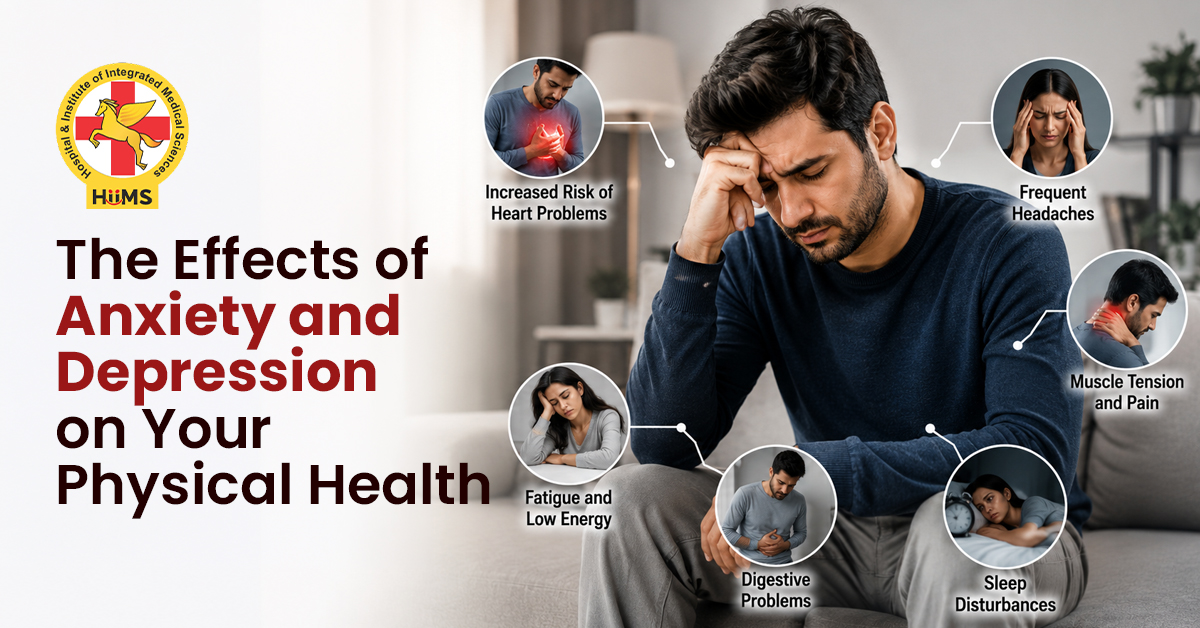
When we think about mental health, we usually only think about what’s going on in our heads. But emotional pain doesn’t get stuck in your head. Dealing with anxiety and depression actually triggers very real, physical changes throughout your entire body. You might feel your heart racing out of nowhere on a bad day, or struggle with heavy body aches that just won’t leave you alone.
These aren’t imaginary issues; they are direct physical reactions to a heavy mental state. Understanding how this mind-body connection plays out is the first step to getting your health back on track. Let’s look at how mental stress damages your body and what you can actually do to fix it.
Mind and Body Connected: The Basics
To understand how this works, it helps to see how these conditions overlap. They are two different diagnoses, but they love to travel together and feed into each other’s symptoms.
Here is a quick look at how they compare:
| Condition | Primary Emotional Focus | Common Physical Impact |
| Anxiety | Constant worry, fear, and feeling totally on edge. | Rapid heart rates, shallow breathing, bad stomach cramps. |
| Depression | Ongoing sadness, zero energy, losing interest in life. | Chronic muscle pain, insomnia, major weight shifts. |
What is Going on Inside? Causes and Definitions
A lot of people ask where these heavy feelings even come from. The answer is a mix of everyday life, biology, and brain chemistry.
What causes anxiety?
When you try to understand what causes anxiety, you realise it’s just your body’s survival system getting stuck in overdrive. Your brain releases stress hormones that flip the switch on your sympathetic nervous system. Your muscles lock up, your breathing gets fast, and blood gets rushed away from your stomach straight to your brain. While this is great if you are running from danger, chronic everyday stress keeps this system turned on 24/7, which completely wears your body down over time.
What is depression?
If someone asks you, “What is depression?” it’s important to explain that it’s a real medical mood disorder, not just a temporary bad mood. It completely rewires how you think, feel, and handle basic daily tasks. Researchers know it’s deeply tied to imbalances in brain chemicals like serotonin and dopamine. Because these exact chemicals control your pain threshold and sleep cycles, a low emotional mood quickly translates into physical suffering.
How Anxiety and Depression Damage Your Physical Health
Living with untreated anxiety and depression means your physical systems are constantly taking a beating:
1) Digestive Issues:
Constant worry messes with your digestive tract. You might deal with sudden stomach cramps, bloating, gas, diarrhea, or constipation. In fact, things like irritable bowel syndrome (IBS) are incredibly common when you live with chronic stress.
2) Heart Strain:
A high resting heart rate and elevated blood pressure put extra wear on your cardiovascular system. Over time, this constant pressure increases your long-term risks of facing heart issues.
3) Breathing Struggles:
Panic makes your breathing fast and shallow. If you already have asthma, this can easily trigger sudden attacks, creating a frustrating loop where being short of breath makes you feel even more panicky.
4) Weak Immunity:
The stress response funnels all your body’s resources into immediate defence. Because your system never gets to rest and reset, you become way more vulnerable to catching every common cold or viral infection going around.
Pain, Weight Changes, and Lost Sleep
The physical damage also shows up in your daily energy levels and how your body processes physical pain.
1) Weight Fluctuations:
Having zero motivation makes it hard to stay active. Add in stress eating or shifts in your metabolism and, this can lead to sudden weight gain or obesity, which has it’s own risks like type 2 diabetes.
2) Chronic Body Aches:
People frequently experience regular headaches, migraines, or severe back pain. Because low serotonin levels drop your pain tolerance, normal body sensations end up feeling much more painful.
3) Awful Insomnia:
Around 75% of people facing a low mood struggle with falling or staying asleep. Your brain goes into overdrive at night, spinning out worries you can’t control, leaving you completely exhausted the next morning.
Ayurvedic and Holistic Healing Pathways
True recovery from chronic emotional strain involves calming the nervous system rather than merely masking symptoms with quick fixes. Combining traditional wellness methods with modern behavioural support gives you a much better roadmap.
Instead of relying on harsh chemical options, the integrated care approach at Jeena Sikho HiiMS focuses on balancing your nervous system naturally:
- Panchakarma and Scalp Treatments: Therapies like Sirovasti (keeping a warm herbal oil on the head) and Shirodhara work wonders in soothing hyperactive nerves, reducing racing thoughts, and restoring broken sleep cycles.
- Naturopathy and Grounding: We introduce simple grounding methods, such as Zero-Volt Therapy, to help reduce internal inflammation, relieve nervous tension, and normalise your body’s stress responses.
Conclusion
Sweating through a panic episode or feeling too physically drained to even leave your bed shows exactly how much anxiety and depression dominate your entire body. Ignoring these signs only lets the physical wear and tear get worse over time. If you are looking to break out of this painful cycle and find a recovery plan that fixes your mental peace and physical health together, then a personalised approach is everything.
You can easily book a VOPD consultation with the Jeena Sikho HiiMS medical team. Talk to our experts and move away from repetitive treatments to create a natural, personalised path to finally feel like yourself again.

FAQs
1) Why does anxiety make my stomach act up so much?
Your brain and gut are directly connected through your nervous system. When you are anxious, the signals make your digestive tract hypersensitive, leading to cramps and bloating.
2) Can treating my mental health actually reduce my physical back pain?
Yes, it can. Your body uses the exact same chemical messengers to handle both mood and physical pain. When your emotional health improves, your physical pain tolerance goes up.
3) What do you actually do in therapy for anxiety?
The main goal of therapy for anxiety is to give you practical mental tools to slow down an overactive stress response, keeping your body from flipping into survival mode over minor issues.
4) How does a low mood cause such bad insomnia?
Depression causes you to overthink all the time and ruminate. This mental activity keeps your stress hormones high, so it is almost impossible for your body to relax deeply enough for good sleep.
5) Is a racing heart from a panic attack dangerous?
An occasional fast heartbeat is harmless, but chronic, unmanaged panic keeps your blood pressure elevated, which can strain your heart muscle over many years.
Disclaimer: The information provided on this blog is for general educational and informational purposes only. It is not intended to replace professional medical advice, diagnosis, or treatment. Always consult a qualified healthcare professional before making any changes to your diet, lifestyle, or treatment plan. Individual results may vary.