

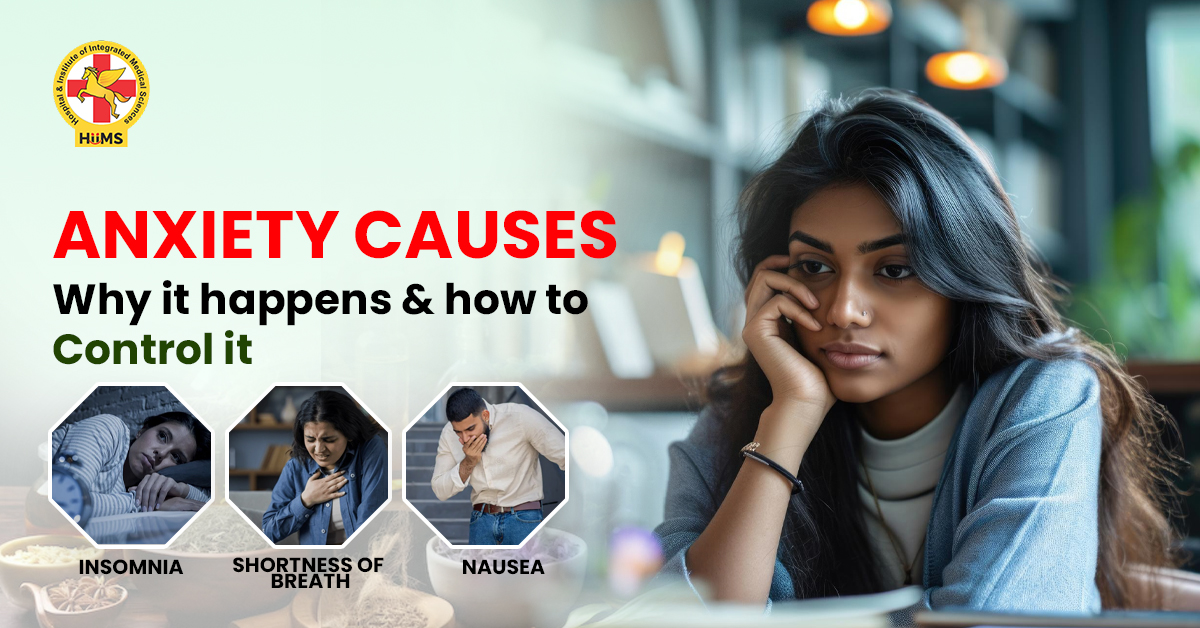
Anxiety doesn’t always show up loudly. Many times, it arrives quietly, almost like a soft whisper that makes you uncomfortable without you really knowing why. From the outside, everything may look perfectly normal—you smile, talk to people, and go through your routine. But inside, it feels completely different. There’s a kind of restlessness you can’t explain: long nights without proper sleep, shallow breathing, an empty or tight feeling in the chest, and thoughts running around so fast. It’s like your mind is scattered in every direction at once.
And then, at some point, a quiet question appears in the mind—honest, personal, and hard to ignore: “Why is this happening to me?” This is exactly where understanding anxiety causes becomes important.
But what if calming anxiety didn’t always need strong medicines or forcing yourself to “be okay”? What if it simply needed softer routines, gentle support, and a mind that’s allowed to relax instead of being pushed or controlled?
A calmer, more holistic approach enters at that moment—unhurried, gentle, and quietly understanding. Holistic methods don’t fight the mind. It listens, then it calms softly, deliberately, and completely.
Understanding Anxiety
Anxiety is the body’s natural response to stress, fear, or perceived danger. It may appear before events, during pressure, or sometimes without a clear reason. While occasional anxiety is normal, frequent or intense anxiety can affect thoughts, emotions, and physical well-being. Common physical signs include a fast heartbeat, restlessness, tightness in the chest, and difficulty sleeping.
In simple terms, anxiety is the mind’s signal that it does not feel safe—even when actual danger is not present. To understand this better, many people ask, “What causes anxiety in the brain?” And that question opens the door to deeper emotional understanding.
What Causes Anxiety in the Brain?
Anxiety does not come from one source. Instead, it develops from multiple physical, emotional, and environmental triggers.
Common Anxiety Triggers
- Chronic overthinking.
- Hormonal fluctuations.
- Excess caffeine, alcohol, or digital stimulation.
- Unresolved emotional memories.
- Irregular or poor-quality sleep.
- Fast-paced lifestyle.
- Social pressure or fear of evaluation.
All these elements quietly contribute to anxiety causes. From a holistic perspective, these factors disturb the body’s natural balance, often linked to an aggravated Vata dosha, which governs movement, nerves, and mental stability. When Vata becomes imbalanced, the mind may feel restless, scattered, and unsettled.
What Causes Social Anxiety?
While general anxiety is about internal stress, what causes social anxiety is different. It is a deep, silent form of fear that appears in social situations such as meeting new people, public speaking, or being observed by others. Individuals often worry about being judged or making mistakes, even when the environment is safe.
Common Roots of Social Anxiety
- Fear of judgment.
- Past criticism or negative comments.
- Low self-confidence.
- Feeling out of place in groups.
- Memories of social embarrassment.
- High sensitivity.
- Concern about others’ opinions.
Social anxiety is not simply shyness; it can affect daily living and emotional well-being.
How to Control Anxiety
Once you understand anxiety causes, it becomes easier to learn how to control anxiety. Holistic practices view anxiety as a signal that the mind and body are out of harmony. Instead of forcing calm, these methods teach the mind how to rest naturally.
They support:
- Balanced breathing.
- Natural slowing down.
- Emotional grounding.
- Physical relaxation.
- Reconnection with oneself.
Powerful Natural Approaches for Anxiety Relief
Many conditions—such as emotional overload, migraines, restlessness, and insomnia—respond well to natural Anxiety therapies. When paired with Panchakarma detox, the benefits often deepen and support long-term clarity.
These natural treatments are widely used to calm the mind and reduce the impact of causes. Panchakarma aims to cleanse the body, strengthen immunity, and restore overall balance.
1. Shirodhara
A gentle stream of warm herbal oil flows across the forehead, creating deep relaxation.
Benefits
- Promotes calmness.
- Supports better sleep.
- Reduces recurring anxious thoughts.
- Enhances emotional stability.
2. Shiro Pichu
A warm herbal-oil-soaked pad is placed on the crown of the head.
Benefits
- Relieves mental fatigue.
- Eases headaches.
- Reduces emotional heaviness.
3. Shiro Basti
Warm herbal oil is held over the scalp within a special cap to soothe the nervous system.
Benefits
- Calms intense anxiety.
- Relaxes overworked nerves.
- Helps with stress-related insomnia.
4. Yoga & Breathing Practices
Simple yoga poses and pranayama help regulate the breath and calm the mind.
Recommended Poses
- Marjaryasana–Bitilasana (Cat-Cow).
- Trikonasana (Triangle Pose).
- Balasana (Child’s Pose).
Breathing Techniques
- Anulom Vilom.
- Bhramari Pranayama.
5. Food & Lifestyle Recommendations
- Drink coconut water or sweet lime juice.
- Choose fruits or raw salads during emotional heaviness.
- Sip herbal teas with tulsi, brahmi, or fennel.
- Add a small amount of ghee to warm meals.
- Avoid stale, packaged, or excessively spicy food.
These natural habits also help regulate what causes anxiety in the brain through better digestion and calmer nervous functioning.
Conclusion
Life brings continuous responsibilities and challenges, but anxiety does not need to define your daily experience. Holistic approaches offer gentle support that helps restore balance to both mind and body. When you understand anxiety causes, you become more aware and more in control.
Through soothing therapies, grounding herbs, and mindful routines, the mind slowly returns to a state of ease. While anxiety may have multiple causes, natural methods help guide you back toward stability and emotional clarity.
If you or someone you know is experiencing anxiety or seeking understanding, you may contact Jeena Sikho HiiMS Jhunjhunu Hospital at +91-82704 82704 or care@jeenasikho.com.
FAQs
1. Can Panchakarma for stress be done at home?
It is ideally done under professional supervision at a Panchakarma center such as Jeena Sikho HiiMS.
2. What should one eat during emotional stress?
Light foods like fruits, coconut water, and raw salads are recommended.
3. Are naturopathic treatments safe with other medications?
They are generally safe when taken with proper guidance from a practitioner.
4. Do I need strict rules during treatment?
Not strict, but consistent habits such as regular sleep and warm meals are helpful.
5. Which Ayurvedic practices help with daily anxiety?
Warm oil massages and herbal teas are commonly used to support a calmer mind.
