

Some days begin in a rush of activity, but the mind runs faster than the body. You wake up already thinking about unfinished work, messages you forgot to reply to, or something small that suddenly feels bigger than it should.
By the evening, even when things slow down, the mind doesn’t really calm down. It keeps moving, questioning, and replaying as usual. Many people experience this pattern without realizing that these are early signs connected to deeper anxiety causes disorder that build quietly through daily habits and internal imbalances.
Understanding what sits behind these feelings becomes important, because without that level of clarity, most people try to resolve only what they feel on the surface. Ayurveda looks at this differently. It does not stop only at symptoms. Infact it tries to understand where the imbalance begins, whether in routine, digestion, or mental patterns.
In this blog, you will come across the Anxiety Treatment, along with simple ways to recognise and manage them in daily life.
What Anxiety Really Feels Like
Anxiety does not always appear as something intense or extreme. Often, it shows up in smaller ways that people can ignore most of the time. You may feel slightly restless without any clear reason, or your thoughts may keep changing from one worry to another, even when nothing serious is happening. At times, you sit quietly, yet your mind refuses to stay still.
These early patterns are often brushed aside as normal stress, but they are actually early anxiety disorder symptoms that the body and mind are trying to communicate. You might find it hard to focus, feel a bit irritable, or carry a sense that something just doesn’t feel quite right.
But these feelings don’t just come out of nowhere…
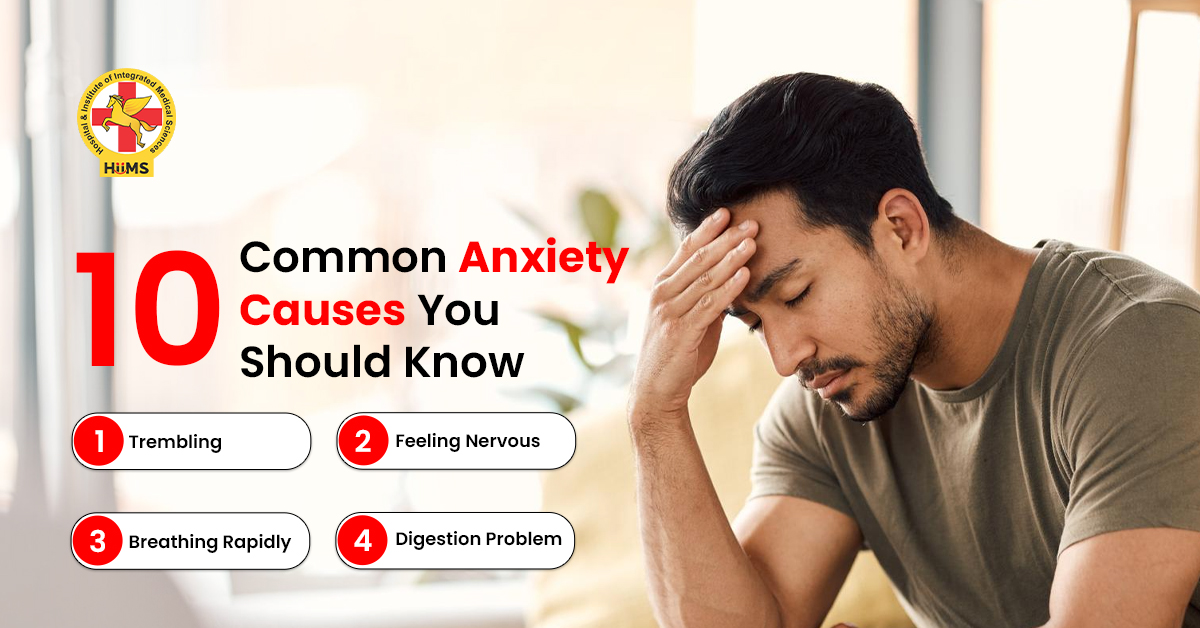
10 Common Anxiety Causes
- Ongoing Stress That Never Really Stops: Daily stress does not always appear heavy, but when it continues without pause, it keeps the mind in a constant aware state. Work pressure, family responsibilities, and money worries can slowly build up tension, which may turn into anxiety over time.
- Poor Sleep That Leaves the Mind Tired: When sleep becomes irregular or incomplete, the mind does not get enough time to recover. You wake up feeling mentally tired, and even small tasks start to feel overwhelming, adding to anxiety causes.
- Too Much Screen Time, Too Little Mental Rest: Constant exposure to screens keeps the brain active for longer than it should be. Late-night scrolling, notifications, and this digital world’s overload reduce mental calmness and disturb natural sleep cycles.
- Weak Digestion and the Gut-Mind Connection: Sometimes, the issue begins in the stomach. When digestion is weak, the body feels heavy and uneasy, and that discomfort slowly reflects in the mind. Ayurveda explains that gut imbalance directly affects mental stability.
- Excess Caffeine or Stimulants: Drinking tea, coffee, or energy drinks too often can make the body feel overactive. A faster heartbeat and a restless feeling can seem like anxiety, making the mind respond more quickly.
- Lack of Physical Movement in Daily Life: When a day passes with very little movement, the body tends to hold on to its energy instead of using it. Without regular physical activity, stress hormones stay active for longer, which can slowly lead to a feeling of restlessness inside.
- Hormonal or Internal Body Changes: Changes related to thyroid, PCOS, or other internal imbalances can quietly affect mood and mental state. Many people do not connect these with anxiety, but they also play a role in this.
- Past Experiences That Still Affect the Mind: Old memories, emotional stress, or unresolved situations stay in the mind longer than expected. Even when life moves forward, these experiences can continue to influence thoughts and reactions.
- Overthinking About the Future or Living in the Past: Thinking again and again about “what if” situations, or going back to past things in your head, pulls the mind away from the present. This slowly builds anxiety and makes it harder to feel settled.
- Loneliness or Lack of Emotional Support: When someone stays alone for too long without real connection, their thoughts can start feeling louder than usual. After a point, this can turn into overthinking and a kind of emotional imbalance, which adds to the 10 common anxiety causes.
Signs of Anxiety Attack You Should Not Ignore
Sometimes anxiety builds up to a point where it shows sudden physical symptoms. These signs of anxiety attack can feel quite intense and a bit confusing, especially when you don’t really know what is happening. Like:
- Sometimes, a sudden wave of fear just comes up without any clear reason, and you may also notice your heartbeat getting fast or a slight tightness in the chest.
- Breathing may feel slightly difficult, and your hands might become sweaty or shaky.
- Some people also feel light-headed or disconnected for a brief moment.
Recognising these signs early helps in managing them better instead of feeling overwhelmed.
How to Control Anxiety in Simple Daily Ways
Managing anxiety does not always require complicated steps. In fact, small, consistent changes in daily life can make a noticeable difference when you are learning how to control anxiety.
- Start with a regular sleep routine, because proper rest supports mental balance.
- Reduce screen time, especially before bed, and let your mind slow down on its own.
- Gentle physical activity, such as walking or stretching, helps release built-up tension from the body.
- Simple breathing exercises, along with taking short pauses during the day, can also help calm the mind a bit.
When these habits become part of your routine, they support long-term stability rather than temporary relief.
When Should You Actually Seek Help
Sometimes, anxiety escalates beyond just those temporary feelings of discomfort and begins to affect daily life. When sleep keeps getting disturbed, focus becomes harder to hold, or relationships start to feel off, it becomes important to seek proper guidance.
If symptoms keep coming again and again or start feeling stronger than before, it’s better to deal with them early so they don’t turn into something bigger.
Conclusion
Anxiety does not develop in a single moment. It builds up slowly through patterns that often go unnoticed. As you start to understand these anxiety causes, you slowly get a better sense of what your mind and body are trying to tell you.
With this kind of understanding, the next steps begin to feel a little easier, whether it’s small lifestyle changes or getting some guided care. Instead of feeling stuck all the time, you slowly begin to feel more in control of your day.
If you are noticing these signs and want a more structured, natural approach, you can connect with Jeena Sikho HiiMS

FAQs
- What are the early signs of anxiety?
Early signs include restlessness, constant worry, and difficulty focusing without a clear reason. - Can lifestyle habits increase anxiety?
Irregular sleep, poor diet, and lack of movement often contribute to rising anxiety levels. - How do I understand my anxiety triggers?
Watching your daily patterns and how you react emotionally can slowly help you notice your personal triggers over time. - Are physical symptoms linked to anxiety?
A fast heartbeat, sweating, or even a bit of dizziness are often linked with anxiety episodes. - Can Ayurveda help in managing anxiety?
Ayurveda looks at bringing the body and mind back into balance, which over time can help in managing anxiety in a more steady way.
