
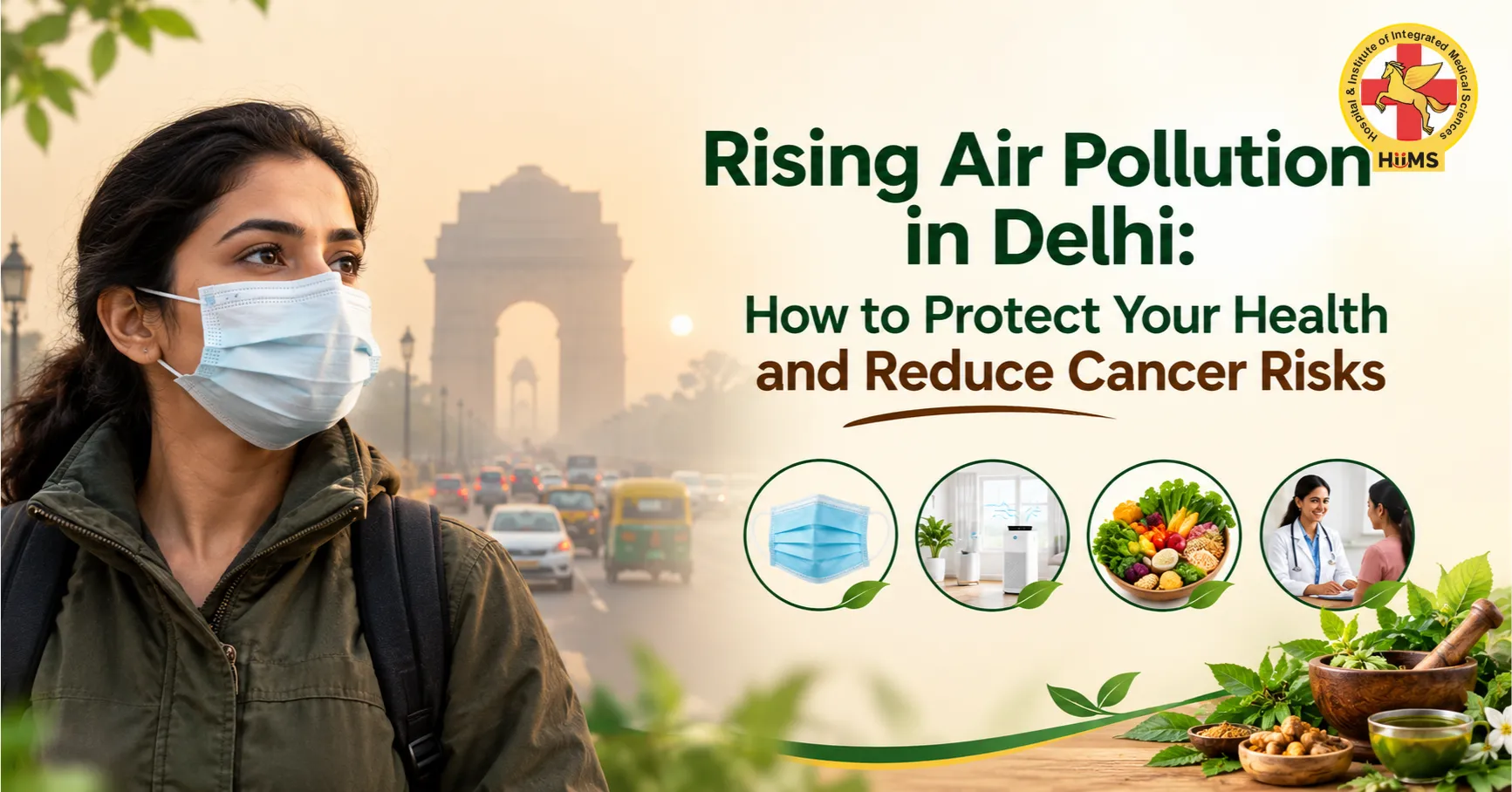

Air pollution in Delhi has become an increasing concern for those who live, work, or travel in the city. When air quality deteriorates, the presence of smog, dust, and vehicle exhaust can make breathing difficult, cause irritation to the eyes and throat, and exacerbate pre-existing respiratory issues. However, the impact of air pollution is not limited solely to the symptoms that people experience immediately.
Long-term exposure to polluted air—particularly to fine particles known as PM2.5—can lead to several serious health issues, including lung cancer. The World Health Organization (WHO) and the International Agency for Research on Cancer (IARC) have classified outdoor air pollution as a ‘carcinogen’ (a cancer-causing agent). While this does not mean that everyone exposed to pollution will necessarily develop cancer, it underscores the importance of avoiding such exposure as much as possible. [WHO]
For residents of Delhi, recognizing the alarming signs of air pollution and adopting preventive measures can help in maintaining better long-term health.
Why Is Air Pollution Becoming a Major Health Concern in Delhi?
Delhi experiences various air pollutants throughout the year. The intensity of pollution can fluctuate depending on factors such as traffic, industrial activities, weather conditions, dust levels, and seasonal influences.
1. Vehicle Emissions and Traffic Congestion
Pollutants emitted by cars, buses, trucks, and two-wheeled vehicles contribute to poor air quality in urban areas. Due to traffic congestion, people are frequently exposed to vehicle exhaust—especially near busy roads, intersections, and commercial areas.
Diesel exhaust is also considered a potential cause of cancer. Individuals who spend long periods of time or work in areas with heavy traffic are more likely to be repeatedly exposed to these pollutants.
2. Construction and Road Dust
Construction activities, demolition work, uncovered construction materials, and road dust contribute to particulate pollution. These particles become airborne and can enter the human respiratory system through inhalation.
Individuals living near construction sites or working in open-air environments may need to exercise extra caution in such dusty conditions.
3. Industrial Emissions and Waste Burning
Industrial processes, the combustion of fuels, and the burning of waste can release fine particles and other harmful substances into the atmosphere. Smoke resulting from such burning can also affect nearby residential areas.
Reducing these emissions requires coordinated efforts from industries, authorities, businesses, and communities.
4. Seasonal Smog and Weather Conditions
At certain times—especially during the winter months—air pollution in Delhi can increase significantly. Atmospheric conditions, such as low wind speeds and ‘temperature inversion,’ prevent pollutants from dispersing, causing them to accumulate close to the ground.
In addition to local emissions, this seasonal pollution is also frequently exacerbated by the burning of agricultural waste (such as stubble) in neighboring regions.
How Does Air Pollution Affect Your Health?
Air pollution can affect the respiratory and cardiovascular systems. The severity of its impact depends on the types of pollutants present in the air, the duration of exposure, the concentration (amount) of these pollutants, and the individual’s pre-existing health status.
Common health effects include:
- Eye, nose and throat irritation: Polluted air may cause burning eyes, throat discomfort, and irritation of the nasal passages.
- Coughing and breathing difficulties: Fine particles can irritate the respiratory tract and aggravate existing lung conditions.
- Worsening asthma and COPD: People with asthma or chronic obstructive pulmonary disease may experience more frequent or severe symptoms.
- Cardiovascular problems: Exposure to particulate pollution is associated with an increased risk of heart disease and stroke.
- Long-term health complications: Prolonged exposure can contribute to chronic respiratory disease and increase the risk of certain cancers.
The US Environmental Protection Agency explains that inhalable particles can affect the lungs and heart, with children, older adults, and people with existing heart or lung disease among the groups at greater risk. [Read the EPA’s guidance on particulate matter]
Concerned about how pollution may be affecting your health? Speak with the HiiMS expert team for guidance on your health concerns and the appropriate next steps.
Can Rising Air Pollution in Delhi Increase Cancer Risk?
Yes. Scientific evidence has established a link between outdoor air pollution and lung cancer. However, it is important to understand how this risk arises and what the evidence actually indicates.
How Does PM2.5 Affect the Body?
PM2.5 refers to very fine particles present in the air, with a diameter of 2.5 micrometers or less. These particles are so small that they can penetrate deep into the lungs.
Depending on their composition, these fine particles may include soot, metals, organic compounds, and other substances generated by combustion (burning processes) or industrial activities. Prolonged exposure to them can lead to inflammation and other biological changes in the body, which may contribute to the development of diseases.
Unlike larger particles, which tend to get trapped in the upper respiratory tract, PM2.5 can penetrate deep into the lungs.
What Does Scientific Research Say About Air Pollution and Lung Cancer?
After reviewing scientific evidence from epidemiological, toxicological, and other studies, the International Agency for Research on Cancer has classified outdoor air pollution and particulate matter as carcinogenic to humans.
Research has confirmed that outdoor air pollution causes lung cancer. Evidence also suggests a link between outdoor air pollution and bladder cancer, though the strength and nature of this evidence may vary depending on the type of cancer. [Read the IARC assessment]
Tobacco use is the single largest risk factor for lung cancer. Other factors—such as exposure to secondhand smoke, contact with harmful substances in the workplace, family history, and air pollution—can also influence an individual’s overall risk.
Does Living in Delhi Mean You Will Develop Cancer?
No. Living in an area with high pollution does not mean that a person will inevitably develop cancer.
Cancer risk depends on multiple factors, including the level and duration of exposure, tobacco use, occupational hazards, genetics, age, and other environmental influences. Reducing exposure to polluted air is a useful preventive measure, but it cannot eliminate every cancer risk.
There is currently no home remedy, dietary supplement, or detox treatment proven to completely reverse the effects of air pollution or guarantee cancer prevention.
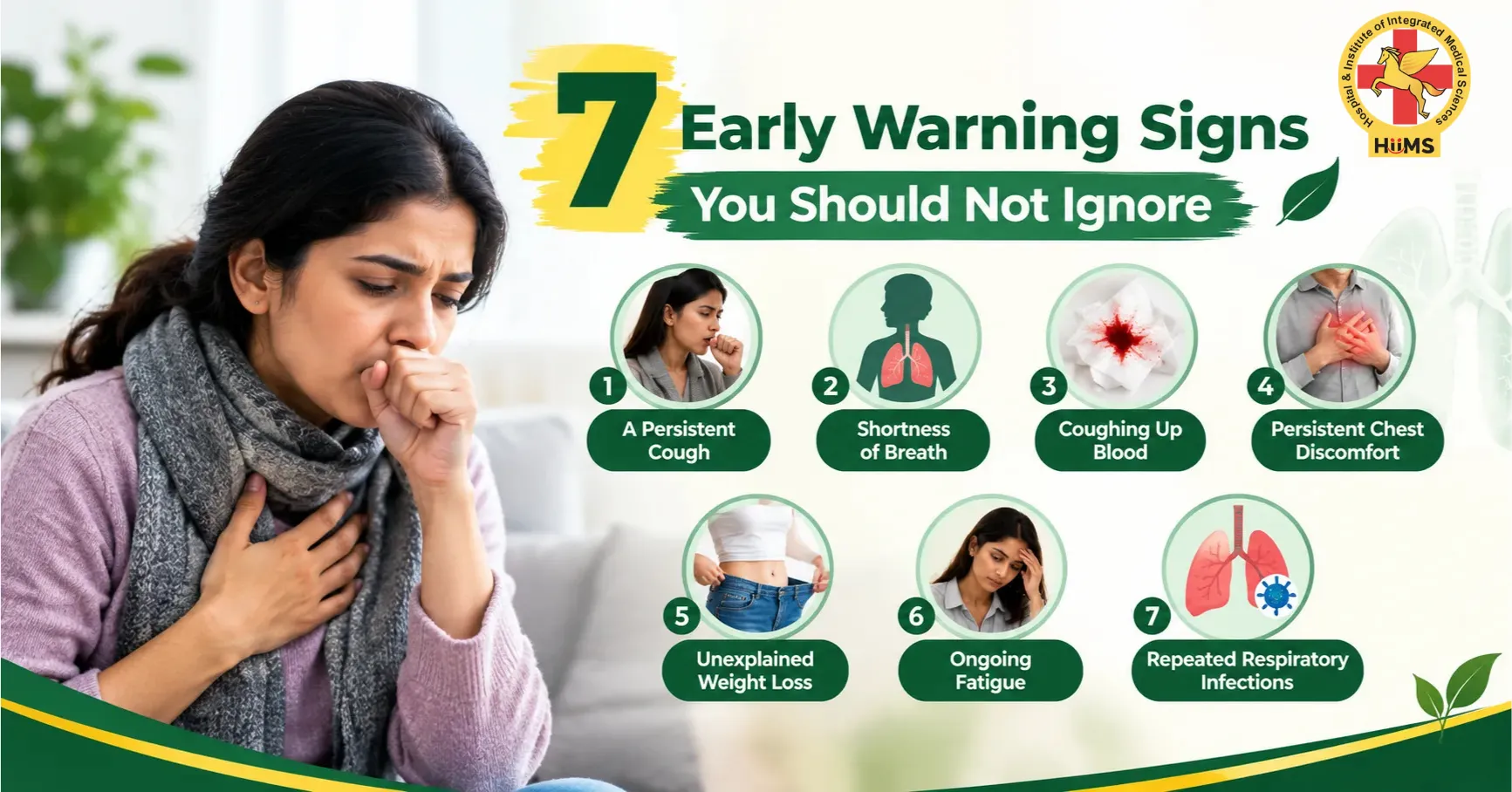
7 Early Warning Signs You Should Not Ignore
Air pollution can cause respiratory symptoms, but some symptoms may also occur in people with infections or other medical conditions. Certain persistent or unexplained changes deserve medical evaluation.
1. A Persistent Cough
A cough that lasts for several weeks, keeps returning, or changes noticeably should not be ignored. Pollution can irritate the airways, but a persistent cough may have several other causes that require assessment.
2. Shortness of Breath
Unusual breathlessness during routine activities, worsening breathing difficulties, or a persistent feeling of not getting enough air warrants medical attention.
3. Coughing Up Blood
Blood in the sputum requires prompt medical assessment. It can occur with several conditions, including infections and other lung disorders, and should not automatically be attributed to pollution.
4. Persistent Chest Discomfort
Chest discomfort may have respiratory, muscular, cardiac, or other causes. Sudden or severe chest pain, particularly with sweating or breathlessness, requires emergency medical attention.
5. Unexplained Weight Loss
Losing weight without changes in diet or activity can have several medical explanations. If it continues or occurs alongside other persistent symptoms, consult a healthcare professional.
6. Ongoing Fatigue
Unusual tiredness that does not improve with adequate rest may be associated with many conditions. Persistent fatigue deserves evaluation when accompanied by other unexplained changes.
7. Repeated Respiratory Infections
Frequent or prolonged respiratory symptoms should be assessed, particularly in people who smoke or have existing lung disease.
Important: These symptoms do not necessarily indicate cancer. Only an appropriate clinical assessment and, when necessary, diagnostic tests can help determine the cause. Seek urgent care for severe breathing difficulty or coughing up significant amounts of blood.
7 Practical Ways to Protect Your Health During High Pollution
Although individuals cannot control every source of outdoor pollution, certain steps can reduce exposure and support overall health.
1. Check the Air Quality Index Before Going Outdoors
Check the Air Quality Index (AQI) before exercising, travelling, or planning outdoor activities. India’s Central Pollution Control Board provides air-quality information through its National AQI portal.
When air quality is poor or severe, reduce unnecessary outdoor exposure. People with asthma, heart disease, or other existing conditions should follow their clinician’s advice and any applicable health advisories.
2. Use a Well-Fitting N95 Respirator When Appropriate
A properly fitted N95 respirator can help filter airborne particles when worn correctly. It should fit closely around the nose and mouth, with minimal leakage around the edges.
Ordinary cloth masks and loose-fitting face coverings may not provide equivalent protection against fine particles. Respirators also do not protect against every harmful gas or vapour.
People with breathing difficulties or certain medical conditions should seek advice about the suitability of a respirator.
3. Adjust Outdoor Exercise During Severe Pollution
Walking, running, and cycling are beneficial for health, but strenuous exercise increases the amount of air a person breathes.
When pollution levels are high, consider moving exercise indoors, shortening outdoor sessions, or choosing a time and location with better air quality. Follow local advisories rather than assuming that a particular time of day is always safer.
4. Improve Indoor Air Quality
Polluted outdoor air can enter homes through windows, doors, and ventilation systems. Indoor activities such as smoking, burning incense, cooking without adequate exhaust, and using certain combustion appliances can also increase particle levels.
Consider these steps:
- Use an appropriately sized HEPA air purifier if feasible.
- Keep filters clean and replace them according to the manufacturer’s instructions.
- Avoid smoking indoors.
- Use an exhaust system when cooking, where available.
- Ventilate when outdoor air quality is suitable.
Air purifiers can reduce certain airborne particles, but they do not remove every pollutant or eliminate all health risks. [US EPA guidance on home air cleaners]
5. Avoid Tobacco Smoke and Second-Hand Smoke
Smoking is a major risk factor for lung cancer, and exposure to second-hand smoke is also harmful. Avoiding tobacco is one of the most important steps a person can take to reduce lung cancer risk.
Do not smoke indoors or in enclosed spaces around family members. If you smoke and want to quit, ask a healthcare professional about evidence-based cessation support.
6. Maintain a Balanced Diet and Healthy Routine
Eat a varied diet that includes vegetables, fruits, whole grains, pulses, and other nutritious foods. Stay adequately hydrated and maintain regular sleep.
These habits support general health, but no particular food, juice, herb, or supplement has been proven to prevent pollution-related cancer. A healthy diet should complement, not replace, exposure reduction and appropriate medical care.
7. Seek Medical Advice for Persistent Symptoms
If you develop a persistent cough, worsening breathlessness, blood in your sputum, or unexplained weight loss, arrange a medical assessment.
People with significant smoking histories or other risk factors can ask their doctor whether they meet the criteria for lung cancer screening. Screening recommendations depend on individual risk and local clinical guidance; routine screening is not recommended for every person simply because they live in Delhi.
Want to understand the right next steps for your health?
Who Is More Vulnerable to Air Pollution?
Some people may be more susceptible to the effects of polluted air because of their age, health conditions, or level of exposure.
Children
Children’s lungs are still developing, and they may spend time playing outdoors. During severe pollution episodes, limit strenuous outdoor activities and follow local health advisories.
Older Adults
Older adults may be more vulnerable, particularly if they have underlying respiratory or cardiovascular conditions.
People With Asthma, COPD or Heart Disease
Air pollution can worsen existing symptoms and may increase the likelihood of flare-ups. Follow prescribed treatment plans and consult your clinician if symptoms change.
Outdoor Workers and Frequent Commuters
Traffic personnel, delivery workers, construction workers, and others who spend long periods outdoors may have greater exposure. Workplace exposure controls, suitable protective equipment, and efforts to reduce time near major emission sources may help.
People With Smoking or Occupational Exposure Histories
Tobacco use and certain workplace exposures can increase lung cancer risk. People with these risk factors should discuss appropriate prevention and screening measures with a healthcare professional.
Can Ayurveda Help You Manage the Effects of Air Pollution?
Ayurveda traditionally emphasises daily routines, balanced eating, rest, and practices intended to support general well-being. These principles may complement a healthy lifestyle, but they should not be confused with proven methods of removing inhaled pollutants or preventing cancer.
Follow Healthy Daily Habits
Maintaining regular sleep, eating a balanced diet, staying hydrated, and engaging in physical activity when air quality allows can support general health.
Gentle relaxation practices may help manage stress. However, breathing exercises should not be performed outdoors during severe pollution if they increase exposure or cause discomfort.
Be Careful With Herbal Remedies and Supplements
Some Ayurvedic herbs and preparations are promoted for respiratory health. However, evidence that they prevent air pollution-related cancer or remove PM2.5 from the lungs is insufficient.
Herbal products can also cause side effects or interact with medicines. Discuss their use with a qualified healthcare professional, especially if you have a chronic condition or take prescription medication.
Do Not Delay Cancer Evaluation or Treatment
If you have concerning symptoms, seek appropriate medical evaluation rather than relying on detoxification, Panchakarma, or herbal remedies alone.
Ayurvedic care, where appropriate, should be coordinated with evidence-based medical treatment. It should not replace necessary investigations, specialist assessment, surgery, chemotherapy, radiotherapy, or other indicated cancer care.
Finding Cancer Care in Prashant Vihar, Delhi
People concerned about persistent respiratory symptoms or cancer risk may want to understand their options for medical consultation close to home.
When looking for a Cancer Clinic in Prashant Vihar, consider the qualifications of the treating doctor, the availability of appropriate diagnostic evaluation, referrals to oncology specialists, and the type of services offered.
A Cancer Care Clinic in Delhi should be assessed on the basis of its actual clinical capabilities, transparent communication, and coordination with qualified specialists.
If you are searching for an Ayurvedic Clinic for Cancer in Prashant Vihar, ask about the practitioner’s qualifications, the evidence supporting the proposed care, potential interactions with existing medicines, and how the team coordinates care with oncology specialists.
People searching for cancer treatment in Prashant Vihar should confirm that the provider offers the specific services they need. Cancer treatment varies according to the type and stage of cancer and may require a multidisciplinary team.
Similarly, when choosing a cancer doctor, ask about relevant specialist qualifications, diagnostic pathways, treatment options, and arrangements for follow-up care.
HiiMS can be contacted to enquire about its available consultation services and whether they are appropriate for your needs. Verify the availability of specific cancer-related services before booking an appointment.
Frequently Asked Questions
Q.1 Can Delhi’s air pollution cause lung cancer?
Yes. Outdoor air pollution is classified as carcinogenic to humans, and scientific evidence establishes a link between exposure to outdoor air pollution and lung cancer. However, exposure does not mean that every individual will develop cancer.
Q.2 Does PM2.5 increase cancer risk?
Long-term exposure to particulate air pollution, including PM2.5, is associated with an increased risk of lung cancer. Reducing exposure is an important preventive measure, although it cannot eliminate all cancer risks.
Q.3 How can I protect my lungs during high AQI?
Check official AQI readings, limit strenuous outdoor activity during severe pollution, use a well-fitting N95 respirator when appropriate, improve indoor particle filtration, and avoid tobacco smoke. Follow medical advice if you have an existing heart or lung condition.
Q.4 Does wearing an N95 mask help during severe pollution?
A properly fitted N95 respirator can reduce inhalation of airborne particles. Its effectiveness depends on fit and correct use. It does not protect against every gaseous pollutant and should be combined with other exposure-reduction measures.
Q.5 Can Ayurveda prevent cancer caused by air pollution?
There is no reliable clinical evidence that Ayurveda or any specific herbal remedy can guarantee prevention of pollution-related cancer. Healthy routines may support general well-being, but exposure reduction, avoiding tobacco, and appropriate medical care remain important.
Q.6 When should I consult a cancer doctor in Prashant Vihar?
Seek medical assessment for persistent or unexplained symptoms such as a long-lasting cough, coughing up blood, unexplained weight loss, or ongoing breathing difficulties. A healthcare professional can assess the symptoms and refer you to the appropriate specialist when necessary.
Q.7 How can I find a Cancer Clinic in Prashant Vihar?
Check the provider’s qualifications, available diagnostic services, specialist access, treatment capabilities, and follow-up arrangements. Contact the clinic directly to confirm whether it provides the service you need.
Conclusion
Rising air pollution in Delhi is more than a seasonal inconvenience. Repeated exposure to polluted air can affect respiratory and cardiovascular health, and long-term exposure is associated with an increased risk of lung cancer. Although individuals cannot eliminate every source of pollution, practical steps such as checking the AQI, reducing exposure during severe episodes, improving indoor air quality, and avoiding tobacco smoke can help reduce risk.
It is equally important to recognise persistent symptoms and seek medical advice instead of assuming that every problem is caused by pollution. No diet, supplement, or alternative therapy can guarantee protection against cancer.
If you have ongoing health concerns and want to understand your options, contact HiiMS to enquire about appropriate consultation services.
Contact HiiMS to Enquire About Cancer
- World Health Organization (WHO) — Air Pollution and Health
- International Agency for Research on Cancer (IARC) — Questions and Answers on Outdoor Air Pollution and Cancer
- Central Pollution Control Board (CPCB) — National Air Quality Index
- US Environmental Protection Agency (EPA) — Guide to Air Cleaners in the Home
- US Environmental Protection Agency (EPA) — Indoor Particulate Matter
- Management Of Early-stage Breast Cancer With Ayurveda: A Case Study
- Effective Management Of Symptoms Of Carcinoma Of The Urinary Bladder (Bastyarbuda) Through Ayurv
- Management Of The Symptoms Of Metastatic Lung Cancer With Ayurveda Acharya Manish Ji1*, Richa2, Neha Sharma3, Garima4