



Kidney health is an important part of overall well-being, but it is something many people tend to overlook in their daily routine. In a busy city like Ghaziabad, long working hours, irregular eating habits, limited physical activity and existing health conditions can affect everyday health. Kidney-related concerns may develop gradually, sometimes without noticeable changes in the beginning.
People living with diabetes, high blood pressure or a family history of kidney problems should pay particular attention to their kidney health. Understanding the early signs, identifying possible causes and getting regular medical assessments can help people make informed decisions about their well-being.
This guide covers kidney disease in Ghaziabad, common kidney disease symptoms, possible causes, important diagnostic tests, kidney care options and supportive wellness practices at Jeena Sikho HiiMS.
Understanding Kidney Health: Why Early Awareness Matters
The kidneys perform several important functions that help maintain the body’s internal balance. They filter waste products from the blood, regulate fluid levels and maintain essential minerals. When kidney function becomes reduced, waste and excess fluids may gradually accumulate in the body.
A community-based study published in BMC Nephrology in 2009 examined 5,252 adults from Delhi and surrounding regions. Researchers reported reduced kidney function in 4.2% of participants using one estimating formula and 13.3% using another.
Interestingly, only 3.3% of participants with reduced kidney function were aware of their condition. The difference between the two estimating formulas and the age of the study are important limitations. These findings should not be considered current statistics for Ghaziabad, but they highlight the importance of regular kidney health assessments. Take charge of your kidney health! Book your appointment with expert doctors at Jeena Sikho HiiMS for personalised guidance and appropriate kidney health assessments.
Common Causes of Kidney Problems and Factors That Affect Kidney Function
Kidney problems can develop due to different medical conditions, lifestyle habits and genetic factors. Some conditions affect kidney function gradually, while others may cause sudden changes.
Here are some common factors associated with kidney health concerns:
- Diabetes: Consistently high blood sugar levels can damage the small blood vessels responsible for filtering waste inside the kidneys.
- High Blood Pressure: Uncontrolled blood pressure can put additional pressure on the blood vessels within the kidneys.
- Family History: Certain inherited conditions may increase the likelihood of kidney-related problems.
- Frequent Painkiller Use: Regular or excessive use of certain medicines, including ibuprofen and diclofenac, may affect kidney function.
- Repeated Kidney Stones: Recurring kidney stones can sometimes obstruct urine flow and affect kidney health.
- Urinary Tract Infections: Repeated or untreated urinary infections may sometimes involve the kidneys.
- Lifestyle Factors: Excess body weight, tobacco use, limited physical activity and ageing may also influence kidney health.
Understanding these factors can help individuals become more aware of their health and seek medical guidance when required.
7 Early Kidney Disease Symptoms You Should Not Ignore
Kidney-related changes may not always produce noticeable symptoms during the early stages. Some warning signs are often mistaken for tiredness, dehydration, changing weather or everyday stress.
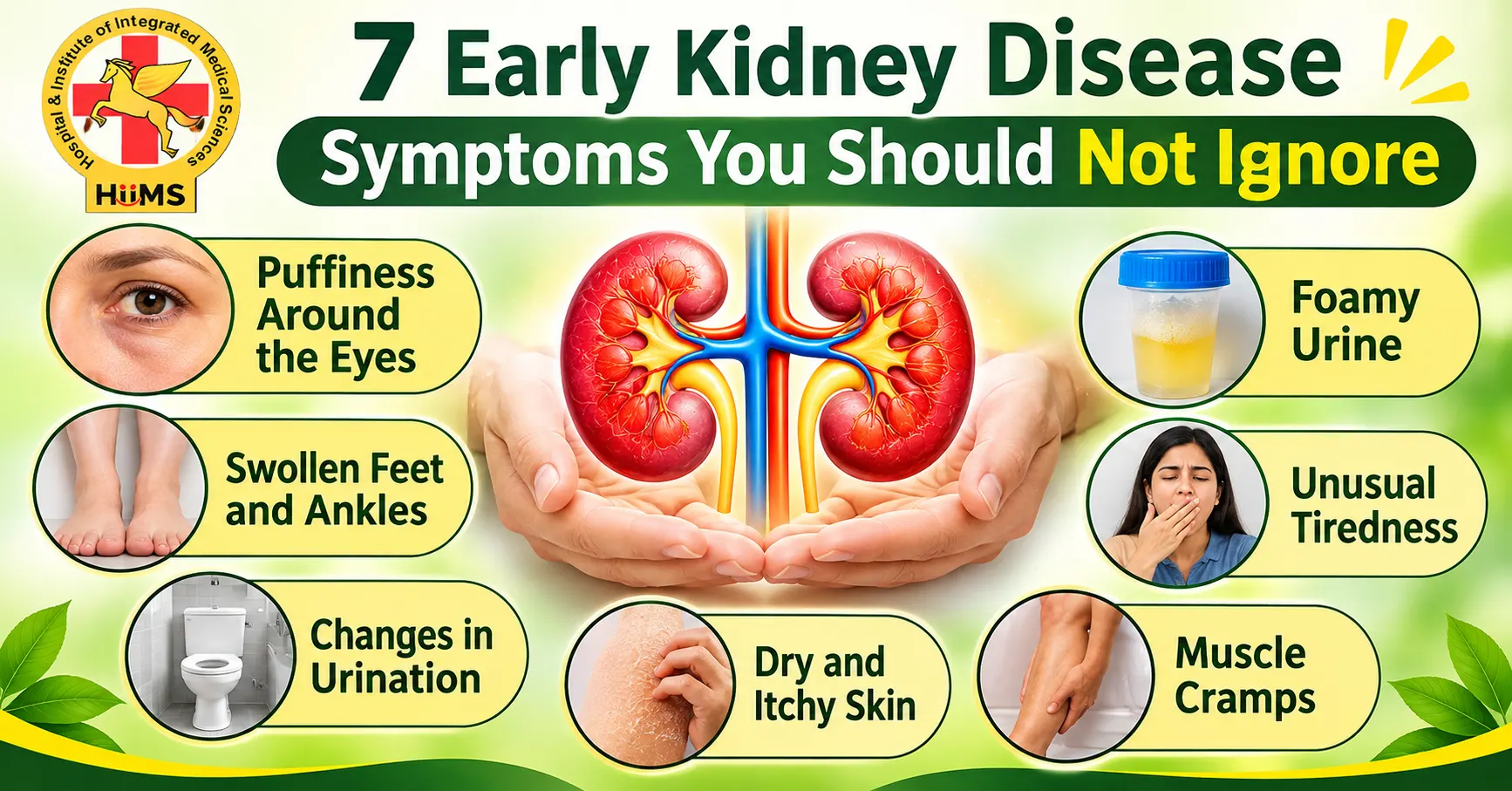
Here are seven possible kidney disease symptoms to watch for:
- Puffiness Around the Eyes: Swelling around the eyes, particularly in the morning, may sometimes be associated with fluid retention.
- Swollen Feet and Ankles: Excess fluid accumulation can cause swelling in the lower legs and feet.
- Changes in Urination: Frequent urination at night or noticeable changes in urine output may require medical attention.
- Foamy Urine: Persistent foamy urine may sometimes indicate protein leakage into the urine.
- Unusual Tiredness: Reduced kidney function may contribute to fatigue, weakness and low energy levels.
- Dry and Itchy Skin: Changes in mineral balance associated with advanced kidney problems may contribute to skin discomfort.
- Muscle Cramps: Changes in electrolyte levels may contribute to recurring muscle cramps, particularly at night.
Experiencing one of these symptoms does not necessarily mean you have kidney disease. However, if these changes continue or you have existing risk factors, consider getting your kidney health assessed.
Seek immediate medical attention if you notice blood in your urine, a significant reduction in urine output, severe breathlessness, persistent vomiting or confusion.
Important Kidney Tests for Understanding Your Kidney Health
If you have symptoms or risk factors, your doctor may recommend certain blood and urine investigations to understand how well your kidneys are functioning.
Some commonly recommended kidney tests include:
- Serum Creatinine Test: Measures creatinine levels in the blood and helps assess kidney function.
- eGFR Test: Estimates how efficiently the kidneys filter waste products from the blood.
- Urine Albumin-to-Creatinine Ratio (uACR): Checks for albumin in urine, which may indicate changes in kidney filtering function.
- Urine Routine Examination: Helps identify protein, blood and other abnormalities in urine.
- Kidney Ultrasound: Provides information about kidney size, structure and possible blockages.
Your doctor may suggest additional investigations depending on your medical history, symptoms and previous reports. Reviewing blood and urine results together provides a better understanding of kidney health than looking at creatinine levels alone.
When Should You Consult a Kidney Specialist in Ghaziabad?
A general physician can help with initial assessments and routine kidney investigations. However, consulting a kidney specialist in Ghaziabad may be important when your reports show declining eGFR, persistent protein in urine or other changes in kidney function.
You should consider specialist guidance if:
- Your creatinine levels remain elevated.
- You experience recurring swelling or blood in your urine.
- Your blood pressure or blood sugar levels are difficult to manage.
- Your kidney reports show repeated abnormalities.
- You have a family history of certain kidney conditions.
Keep your previous reports, medication details and investigation results together. This allows the specialist to understand changes in kidney function over time.
Noticed changes in your kidney reports or experiencing recurring symptoms? Connect with the expert team at Jeena Sikho HiiMS Ghaziabad to discuss your health concerns and get guidance based on your reports.
Kidney Care in Ghaziabad: Medical Guidance and Support Options
The approach to kidney care in Ghaziabad depends on the underlying cause, stage of kidney disease and overall health of the individual.
A healthcare professional may suggest a combination of medical supervision, prescribed medicines and lifestyle modifications to help manage kidney-related concerns.
Some important aspects of kidney care include:
- Monitoring blood pressure and blood sugar regularly.
- Following prescribed medicines according to medical advice.
- Getting periodic creatinine, eGFR and urine albumin assessments.
- Limiting excess salt intake when recommended.
- Adjusting protein, potassium and phosphorus intake according to kidney function.
- Avoiding unnecessary painkillers and unverified herbal products.
- Maintaining suitable physical activity according to your health condition.
People with advanced kidney disease may require additional medical support. Depending on their condition, options may include specialist-supervised dialysis or kidney transplantation.
The care plan should always be based on individual medical reports and professional guidance.
Supportive Kidney Care at Jeena Sikho HiiMS: Understanding the GRAD System
At Jeena Sikho HiiMS, kidney wellness also includes supportive lifestyle practices under the GRAD System. This approach combines Hot Water Immersion (HWI), Head Down Tilt (HDT) and a pH-balanced dietary pattern guided by Acharya Manish Ji.
The routine may include the following activities:
Morning – Hot Water Immersion (HWI)
This practice involves sitting in comfortably warm water, approximately up to the navel, for a supervised duration. Water temperature and session length should be decided by the healthcare team according to the individual’s health condition.
Breakfast (7–9 AM): The suggested dietary pattern may include fresh fruits followed by a simple home-prepared or millet-based meal. Fruit portions should be adjusted according to kidney function and potassium levels.
Afternoon – Head Down Tilt (HDT)
This practice involves lying down with the legs supported on a pillow. It should only be considered after medical assessment, as it may not be suitable for people with certain heart, blood pressure, breathing or eye conditions.
Lunch (1–2 PM): The meal pattern may include a suitable portion of salad followed by a simple home-cooked dish. Food choices should depend on individual nutritional requirements.
Dinner – Before Sunset
The suggested meal pattern may include suitable vegetables, fruit or soup, depending on the person’s dietary restrictions and fluid requirements.
These practices are intended as supportive wellness routines and should not replace prescribed medicines or medical supervision. People with reduced kidney function may need specific restrictions on fluids, potassium, phosphorus and certain foods.
At Jeena Sikho HiiMS, dietary and lifestyle recommendations should be discussed with the treating doctor after reviewing the patient’s reports. Panchakarma and herbal preparations should also be considered only after appropriate medical evaluation.
Daily Habits That Support Better Kidney Health
Along with medical guidance, consistent daily habits can play an important role in maintaining kidney health. Simple changes in food choices, physical activity and routine health monitoring may support overall wellness.
Here are some practical habits to consider:
- Monitor Blood Pressure: Check your blood pressure regularly, especially if you have hypertension.
- Maintain Blood Sugar Levels: Follow your prescribed diabetes management plan and monitor glucose levels as advised.
- Reduce Excess Salt: Limit packaged snacks, pickles, papad and highly salted foods.
- Stay Physically Active: Include suitable walking or other physical activities in your daily routine.
- Follow Fluid Recommendations: Drink water according to your doctor’s advice. People with advanced kidney disease may require fluid restrictions.
- Avoid Self-Medication: Consult your doctor before using painkillers, kadha or herbal supplements.
- Schedule Kidney Assessments: People with diabetes or high blood pressure should discuss regular eGFR and urine albumin screening with their healthcare professional.
Keeping track of your health reports and following a suitable daily routine can help you stay informed about your kidney health.
Conclusion
Kidney-related concerns may develop gradually, which makes early awareness and regular medical assessments important. Recognising possible symptoms, understanding contributing factors and getting appropriate diagnostic tests can help individuals make informed decisions about their health.
If you are looking for kidney care in Ghaziabad, Jeena Sikho HiiMS offers consultation and supportive wellness guidance based on individual health assessments.
Discuss your latest kidney reports with a qualified healthcare professional and understand which medical and lifestyle support options may be appropriate for your condition. Want to discuss your kidney reports from home? Connect with Jeena Sikho HiiMS Ghaziabad for a VOPD consultation and get guidance from the healthcare team.

Frequently Asked Questions About Kidney Health
1. What are the early signs of kidney problems?
Some possible early signs include swollen feet, puffiness around the eyes, foamy urine, frequent urination at night, unusual tiredness and changes in appetite. However, kidney problems may also develop without noticeable symptoms.
2. Does high creatinine always indicate kidney disease?
Not necessarily. Dehydration, certain medicines, intense physical activity and other factors may temporarily affect creatinine levels. Your doctor may recommend repeat testing and eGFR assessment for a clearer understanding.
3. Is coconut water suitable for people with kidney problems?
Coconut water contains potassium. People with reduced kidney function or elevated potassium levels may need to limit it. Consult your doctor before including it regularly in your diet.
4. Can young adults also experience kidney problems?
Yes. Kidney conditions can affect people of different age groups. Diabetes, high blood pressure, inherited conditions, repeated infections and certain medicines may contribute to kidney-related concerns.
5. How often should I get my kidneys checked?
People with diabetes, high blood pressure or a family history of kidney disease should discuss regular kidney screening with their doctor. The frequency of testing depends on individual risk factors and previous reports.
Leave a comment