
Getting a Type 2 diabetes diagnosis is honestly overwhelming at first, especially with so much conflicting advice floating around about what to eat and what to avoid. According to the WHO, more than 95% of people living with diabetes actually have Type 2, which makes it one of the most common long-term health conditions worldwide.
We have watched a family member go through this exact confusion, jumping between different diet charts before finally settling on something consistent. If you’re looking into proper Type 2 diabetes treatment, this blog breaks down what actually helps, from diet and lifestyle to where Ayurveda fits in alongside your regular care.
What Actually Is Type 2 Diabetes?

With type 2 diabetes, your body either stops responding well to insulin, or stops making enough of it over time. So blood sugar builds up in your bloodstream instead of being absorbed by your cells. IDF says it is believed to make up around 90% of all diabetes cases worldwide and, unlike Type 1, develops gradually and can go undiagnosed for years before symptoms actually develop.
What Are the Main Type 2 Diabetes Causes?
There isn’t one single trigger. Type 2 diabetes causes typically involve a mix of factors:
- Being overweight, particularly with excess fat around the abdomen
- Family history and genetic predisposition
- A sedentary lifestyle with little regular movement
- Poor diet, especially one heavy in refined sugar and processed food
- Increasing age, though it’s now showing up in younger adults too
Recognising Type 2 Diabetes Symptoms Early
A lot of people miss early Type 2 diabetes symptoms simply because they build up so slowly. Common signs include increased thirst, frequent urination, unexplained fatigue, blurred vision, and slow-healing cuts or sores. Since symptoms are often mild in the beginning, regular blood tests remain the most reliable way to catch it early, well before complications set in.
What Does Proper Type 2 Diabetes Management Actually Involve?
Good Type 2 diabetes management involves more than one step. It includes regular blood sugar monitoring, taking prescribed medication when needed, and making consistent changes to your diet and daily habits.
The goal is not to follow a perfect routine but to make steady, manageable changes. Small steps that fit into your daily life can help you maintain these habits over the long term.
Building a Practical Type 2 Diabetes Diet
A sustainable Type 2 diabetes diet focuses on foods that don’t spike blood sugar sharply. Whole grains like millets and oats, leafy greens, and fibre-rich vegetables are generally better choices than refined flour and white rice.
Less sugar and less heavily processed snacks are more important than chasing a single ‘superfood’. Eating more, smaller meals helps keep sugar levels more even throughout the day than eating three large meals.

Acharya Manish Ji’s pH-Balanced Diet for Blood Sugar Support
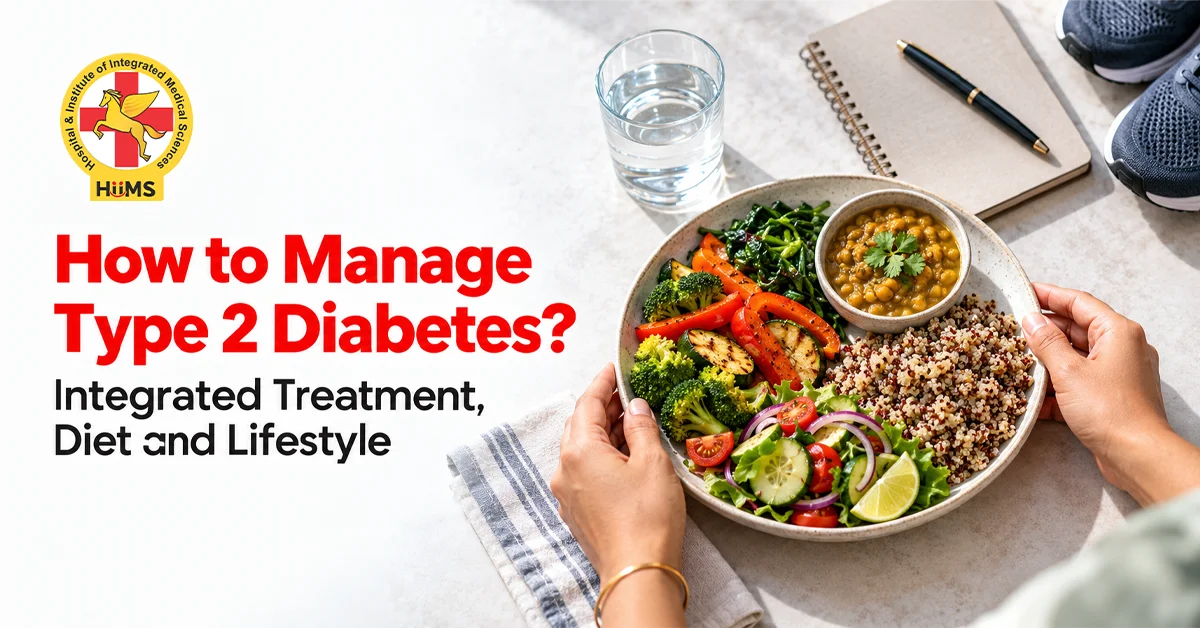
One such way that’s worth knowing about is Acharya Manish Ji’s pH-Balanced Diet. It involves splitting meals into two plates instead of one big serving.
- Plate 1 is raw, fresh fruits and vegetables and is eaten first.
- Then there’s Plate 2. This is a lighter, home-cooked meal. Keep it simple. Think daliya, millet khichdi or vegetable-based dishes. Avoid heavy, oily food.
The idea is to reduce the digestive burden on the body, which in turn supports steadier blood sugar levels rather than sudden spikes after meals.
Can Type 2 Diabetes Lifestyle Changes Really Make a Difference?
Yes, genuinely more than people expect. Type 2 diabetes lifestyle changes like a 30-minute walk after meals, especially dinner, have been shown to meaningfully reduce post-meal sugar spikes. Beyond walking, regular sleep, stress management, and cutting back on late-night eating all contribute to better long-term control, even alongside medication.

Exploring Natural Support for Type 2 Diabetes
Alongside conventional treatment, many people also look into natural support for Type 2 diabetes, particularly through Ayurveda.
This usually includes herbs like bitter gourd, fenugreek seeds and giloy which are traditionally used for supporting healthy sugar metabolism, personalised diet plans and stress reducing practices such as yoga and meditation.
Thinking of pairing Ayurveda with what your doctor’s already prescribed? The team at Jeena Sikho HiiMS can walk you through how that combination might work for your specific reports.

How Does Jeena Sikho HiiMS Approach Type 2 Diabetes Treatment?
At Jeena Sikho HiiMS, diabetes care usually brings together a few therapies rather than relying on just one method:
- Neem-Karela Therapy, a traditional home remedy using fresh neem leaves and bitter gourd, ground into a paste and taken to support healthy blood sugar levels
- Panchakarma-based detox therapies, done under proper professional guidance
- Herbal formulations using ingredients like giloy, tulsi, and fenugreek to assist with blood sugar management
- The pH-Balanced Diet, following the Plate 1 and Plate 2 pattern mentioned earlier
- Lifestyle coaching covering yoga, meditation, and stress management for sustainable, long-term control
Conclusion
Managing Type 2 diabetes well isn’t about one dramatic overhaul, it’s steady, consistent habits around food, movement, and stress that add up over time. Whether you lean toward conventional care, natural support, or a mix of both, the goal remains the same: steadier blood sugar and a routine you can actually maintain.
If you’d like a personalised assessment or want to explore an integrated approach to your Type 2 diabetes treatment, you can book a VOPD consultation with Jeena Sikho HiiMS and talk through your specific case with their team.

FAQ’s
1) Can Type 2 diabetes be managed without lifelong medication?
For some people, especially with early diagnosis, consistent diet and lifestyle changes can meaningfully reduce dependence on medication, though this should always be discussed with your doctor.
2) How often should blood sugar be monitored at home?
This depends on your specific treatment plan, and your doctor will usually recommend a monitoring schedule based on your current control and medication.
3) Is it good to walk after eating for blood sugar?
Yes, even a 20-30 min walk after eating can greatly reduce your blood sugar spike after a meal.
4) Can I use Ayurvedic support along with insulin or other medications?
Many patients do both, but it’s important to keep your treating doctor in the loop so that everything is properly coordinated.
5) Does Type 2 Diabetes always come with being overweight?
Not always, but being overweight is a big risk factor. Age, lifestyle and genetics also play a significant role in its development.