
Facing a major health issue like bone cancer, brings a lot of physical and emotional challenges. While medical care is necessary to treat the disease, supporting your body from the inside is just as important. Your daily habits, mindset and the food you eat play a massive role in how you cope with the illness and recover your strength.
Unfortunately, nutrition is often overlooked when a person focuses entirely on medical procedures. Eating a balanced bone cancer diet can help maintain energy levels and provide essential nutrients needed during treatment and recovery.
In this blog, we will explain what bone cancer is, look at its main causes, and share a simple guide on foods for bone cancer patients to help you or your loved ones manage recovery with comfort and care.
What is Bone Cancer?
Bone cancer occurs when abnormal cells in the bone grow uncontrollably to form masses or tumours, which weaken the bone structure. It can start directly in the bone, or spread from other organs. Typical symptoms include persistent bone pain, joint-area swelling and fatigue with no clear cause.
In Ayurveda, bone health is associated with Asti Dhatu, and imbalances in the body’s natural systems are considered important for overall well-being.
The main causes usually are:
Genetic Factors: Family history of bone disorders or inherited mutations in genes.
Radiation Exposure: Prior exposure to high doses of radiation from medical treatments.
Bone Conditions: Non-cancerous, pre-existing bone diseases that degrade the skeleton over time.
Healthy Eating for Bone Cancer
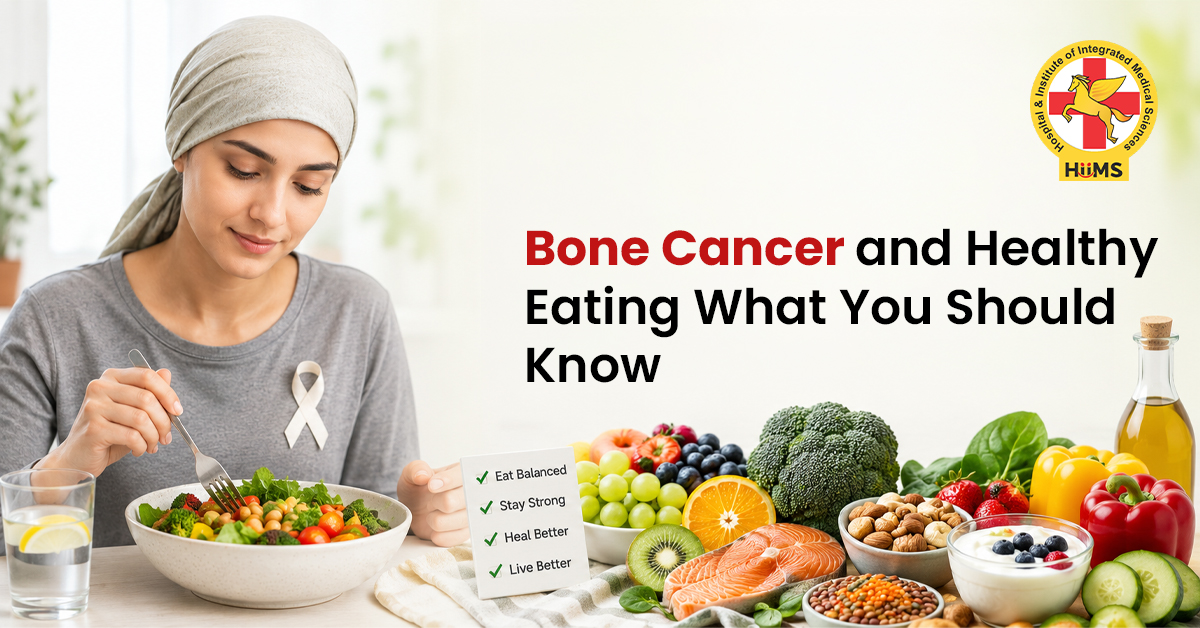
What you put on your plate makes a big difference when your body is fighting a serious illness. A balanced bone cancer diet will help you maintain your weight, increase your strength and reduce the physical impact of heavy treatments. Eating clean, natural foods creates an internal environment that is helpful to healing.
Vital Nutrients to Include
Structured bone cancer nutrition is about making sure that your body gets the necessary raw materials it needs to repair tissue and protect healthy cells:
Colourful Fruits and Vegetables: Berries, oranges, apples, broccoli, carrots and leafy greens are loaded with essential vitamins and phytonutrients. They provide vitamins, minerals and antioxidants that contribute to overall nutritional well-being.
Whole Grains and Legumes: Brown rice, oats, lentils, millets and peas are excellent for a diet for bone cancer patients. They’re a source of sustained energy and are a good source of dietary fibre, which helps promote healthy digestion, maintain your gut microbiome in balance and help prevent treatment-related constipation.
Plant-Based Proteins: provide protein that is important for maintaining normal body functions and overall nutrition
Healthy Fats: Your body requires essential fatty acids and you get these from sources such as cold-pressed oils, walnuts, almonds and flaxseeds. These healthy fats help to reduce inflammation in deep tissues, protect nerve endings and keep your energy levels high when solid foods feel heavy to digest.
Healing Spices: Adding natural herbs and spices like turmeric (which contains curcumin), ginger and garlic to your meals acts as a natural support for your immune system. These ingredients are commonly included in balanced diets and may contribute to overall wellness.
Hydrating Options: Warm water with fresh lemon, amla juice, coconut water or antioxidant-rich herbal teas hydrate the body, flush out toxins and soothe an upset stomach.
Foods to Avoid or Limit
When you’re planning a healthy eating for bone cancer routine, it’s just as important to eliminate items that put stress on your system or increase inflammation:
Processed and Red Meats: Bacon, sausages and other heavily processed meats can increase inflammation and have been linked to higher health risks.
Sugary and Highly Refined Foods: White sugar, refined flour and sugary snacks can spike your blood sugar, cause unhealthy weight gain and decrease your immune response.
Excess Alcohol: Alcohol harms the liver and damages healthy cells making it harder for your body to detox naturally.
Raw or Undercooked Foods: Avoid raw fish or undercooked eggs during illness when your immune system may be weaker to prevent the risk of unwanted foodborne infections.
Ayurvedic Care and Lifestyle Practices for Bone Cancer
In addition to the bone cancer diet, an Ayurvedic lifestyle can make your everyday life much more comfortable. Ayurveda says that to heal properly, you need a peaceful mind and a clean internal system.
Therapeutic fasting can be beneficial for your digestive system and may help the body naturally clear away harmful cells. During your eating window, focus entirely on fresh, plant-based, alkaline foods. This natural diet for bone cancer should be combined with gentle movements such as basic breathing exercises (Pranayama) or light stretching to improve circulation, keep joints moving and reduce daily anxiety.
Conclusion
Dealing with bone cancer involves an integrated strategy, that includes medical treatment and smart lifestyle choices. A powerful way to support your recovery is with a dedicated bone cancer care diet filled with fresh whole foods, healthy plant proteins and hydrating herbal drinks. A balanced diet and mindful lifestyle may contribute to overall well-being, nutritional balance and day-to-day comfort during treatment and recovery.
Proper bone cancer patient care is never a journey you have to walk alone. For personalised guidance on natural nutrition, you can easily connect with the experts through Jeena Sikho HiiMS VOPD (video consultation) to help you choose the right natural steps to care for your body and support your long-term well-being.

FAQs
1. What is bone cancer?
It is a condition where abnormal cells start growing in the bones, slowly weakening their structure and affecting normal body strength and movement.
2. How does food support someone with bone cancer?
A balanced diet helps maintain energy, supports immunity, and gives the body strength to handle treatment and recovery in a better way.
3. What foods are usually helpful during bone cancer care?
Fresh fruits, vegetables, whole grains, plant proteins, healthy fats, and natural spices like turmeric and ginger are often preferred for daily support.
4. What foods are better to avoid in this condition?
Processed foods, excess sugar, alcohol, and heavy meats are usually limited as they can slow digestion and increase stress on the body.
5. How does Ayurveda support recovery along with diet?
It focuses on simple lifestyle balance-light eating windows, natural foods, gentle movement, and calming practices to support overall well-being.