

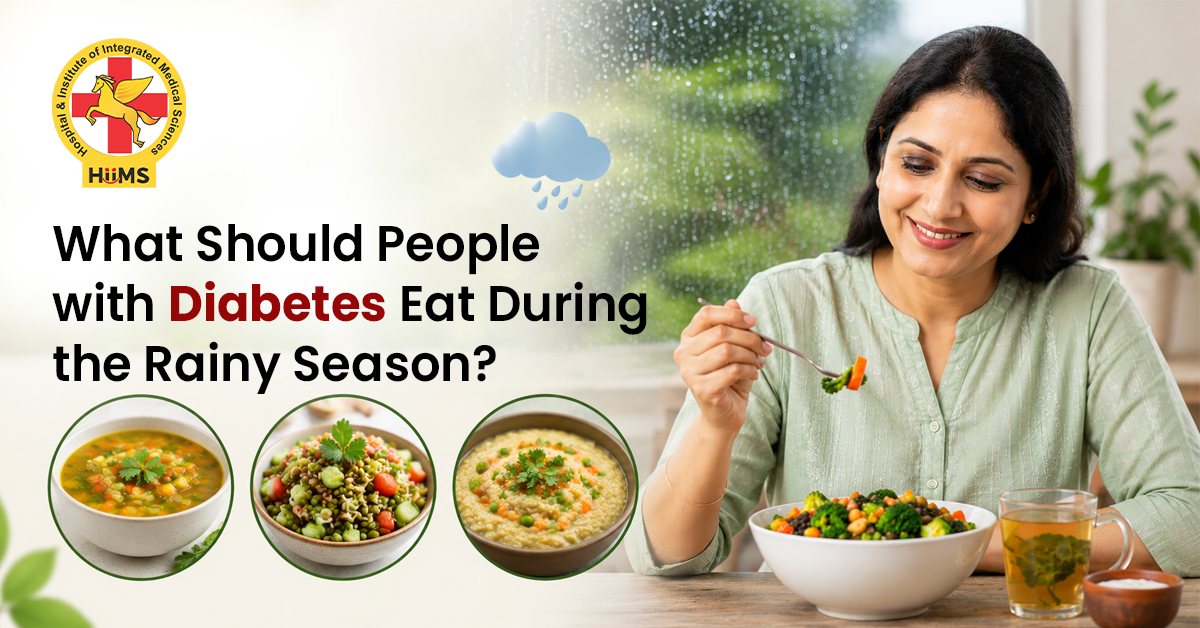
The rainy season brings pleasant weather and fresh surroundings, but it also calls for extra care, especially for people living with diabetes. During this time, changes in temperature, humidity, and food habits may affect digestion, appetite, and blood sugar balance. Many people enjoy fried snacks and sweets during monsoon, but eating such foods regularly may not be a good choice for those managing diabetes. This is why following a proper diabetes rainy season diet becomes important.
Ayurveda also explains that the digestive fire becomes weaker during the rainy season. As the rainy season arrives, many people notice that the heavy or oily meals do not feel as easy to digest. This is why simple home-cooked food is often a better choice during the monsoon. Fresh vegetables, seasonal fruits, whole grains, and a few traditional herbs can become a regular part of daily meals when taken in the right way. In this blog, we will explore a simple diabetes diet for the rainy season, the foods that are good to include, the ones to limit, and everyday habits that may support overall wellbeing.
Managing Diabetes During the Rainy Season
Rainy weather changes more than just the temperature. It also changes our eating habits and daily routine. Because of frequent rain, many people spend less time walking or exercising. Cravings for the fried food, street snacks, and hot beverages also become common. Over time, these habits may affect the blood sugar levels.
A healthy diabetes rainy season diet should include fresh home-cooked food instead of stale or ready-to-eat meals. Warm food is often easier to digest during this season. It also helps to drink safe water, avoid missing meals, and keep the body active even if you cannot step outside.
Ayurveda explains that the digestive system is not as strong during the monsoon. That is why simple meals and good eating habits are given importance.
What Should People with Diabetes Eat in Monsoon?
Choosing the correct food is the biggest part of a diabetes rainy season diet. Since infections and digestion problems are common in the monsoon, the food should be clean, fresh, and cooked well. Below are some simple food choices that can be included.
Bitter Gourd (Karela)
Bitter gourd (karela) is commonly included in diabetes-friendly diets because it contains compounds that may support healthy blood sugar levels. It can be enjoyed as a cooked vegetable or fresh juice in moderation as part of a balanced diet.
Bottle Gourd (Lauki)
This vegetable is light on the stomach and easy to digest, making it a good choice among seasonal foods for diabetes during humid weather.
Moong Dal
Moong dal is light, full of protein, and very easy for the body to digest, which is exactly what the body needs in monsoon.
Whole Grains Like Jowar and Bajra
These grains release sugar slowly into the blood and keep hunger satisfied for a longer time.
Turmeric and Ginger
Both these kitchen spices help in fighting infections and also support better digestion, which becomes weak in this season.
Bitter Neem Leaves
Neem is well known in the Ayurvedic tradition for helping to balance blood sugar and cleanse the body from inside.
Cinnamon
A small amount of cinnamon added to food or warm water can support better sugar control in a natural way.
Fenugreek Seeds (Methi)
Soaked methi seeds are one of the oldest home remedies used for a diabetic diet, and they work well in every season, including monsoon.
Warm Herbal Tea
Herbal tea made with tulsi, ginger, or cinnamon keeps the body warm and also helps in digestion during humid days.
Fresh Seasonal Fruits Like Pear and Papaya
These fruits have a lower sugar impact and also give the body enough fibre, which is helpful during a monsoon diet.
It is best to avoid heavy fried food, street food, and anything with too much oil during the rainy season. These foods can be difficult to digest and may increase the risk of infection when hygiene is poor outside. Instead, choose freshly prepared home cooked meals. Making these simple choices can also help when planning a healthy diabetes foods routine during the monsoon.
Foods to Avoid During the Rainy Season
During the rainy season, some foods may not suit your digestion. A few of them can also add extra calories without offering much nutrition. It is better to eat these only once in a while.
- Deep-fried snacks
- Sugary drinks
- Sweets and desserts
- Packaged foods
- Very spicy or oily meals
- Street food prepared in unhygienic conditions
Choosing lighter meals most of the time can make your diabetes rainy season diet easier to manage.
What Does Ayurveda Say About the Rainy Season?
The rainy season is known as Varsha Ritu in Ayurveda. Traditional Ayurvedic texts describe this as a time when digestion needs extra care. That is why people are often advised to keep their meals light, eat fresh food, and maintain a routine throughout the season.
- Digestion is thought to become less active.
- Fresh food is preferred instead of food kept for many hours.
- Seasonal eating is encouraged.
- Daily routine is given importance.
- Simple meals are considered easier to digest.
- Good digestive health is believed to support the body.
Following these seasonal habits may help people with the diabetes maintain better overall wellbeing.
Conclusion
Taking care of diabetes during monsoon is not difficult if a person follows a proper diabetes rainy season diet along with simple daily habits. Choosing light, warm, and natural food, along with old ayurvedic wisdom, can help the body stay balanced in every season. If you are looking for personalized guidance on managing diabetes through diet, lifestyle, and Ayurveda, you can consult the experts at Jeena Sikho HiiMS Hospital Panchkula to understand the options that may be suitable for your health needs.

FAQs
1. Why is bitter gourd recommended so often for diabetes?
Because it naturally helps in keeping the blood sugar levels balanced.
2. Why does blood sugar change more during monsoon?
Because digestion becomes slow and daily activity often reduces during rainy days.
3. Is walking necessary even during rains?
Yes, light indoor exercise or yoga can replace the outdoor walking on rainy days.
4. Does Ayurveda really help in managing diabetes?
Ayurveda focuses on natural balance through diet, herbs, and daily routine, which supports the diabetes care.
5. Where can someone get natural guidance for diabetes care?
Jeena Sikho HiiMS Hospital offers OPD consultation for a natural and ayurvedic approach to the diabetes.