

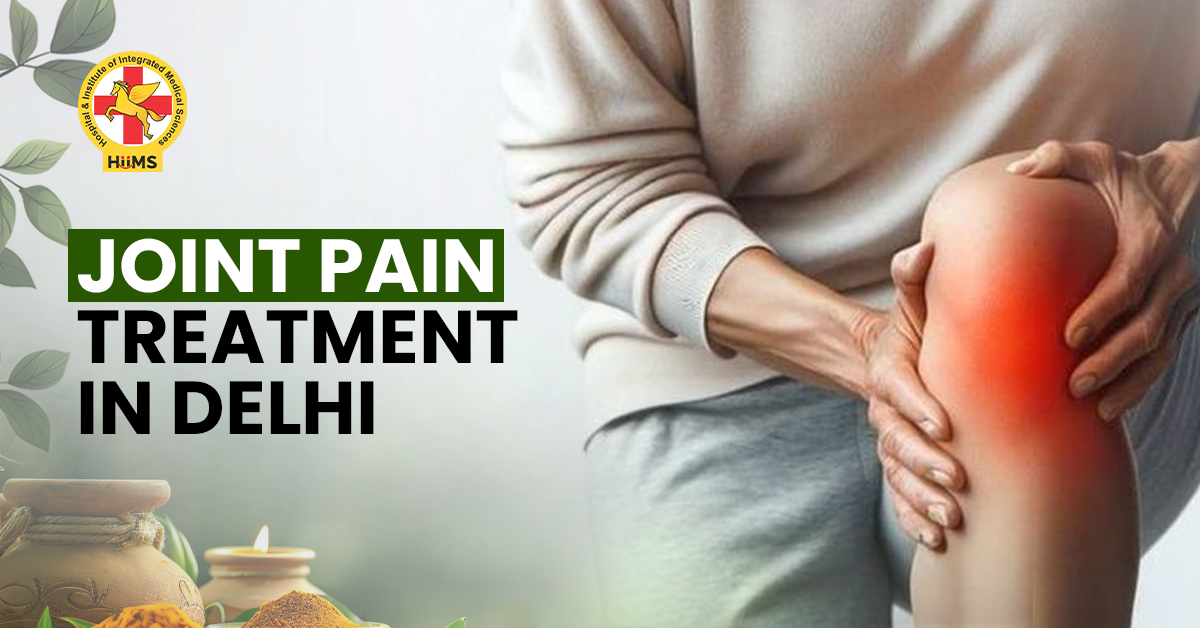
Joint pain is one of those things you don’t take seriously at first. Perhaps you experience mild stiffness in the morning, a slight discomfort during stair climbing, or persistent knee pain after prolonged sitting. You think it’s temporary. You ignore it. But slowly, it begins to affect everything. Walking feels heavier, sitting for a long time becomes uncomfortable, and even simple movements start reminding you that something isn’t right.
If you’re reading this, chances are you’re trying to figure things out. Whether it’s arthritis, long-term stiffness, or unexplained discomfort, the confusion is real. Should you go for medicines, therapy, or something natural? And honestly, finding the right best joint pain treatment in Delhi or even understanding what works best can feel overwhelming.
This guide is written from that exact point of confusion. Simple, practical, and clear. It will help you understand what the joint pain actually is, why it happens, and what real treatment options look like, including a structured natural approach that focuses on long-term joint pain relief in Delhi.
What is joint pain?
Joint pain is basically discomfort where two bones meet, like knees, shoulders, fingers, or hips. It can be mild or sometimes so intense that even basic movement becomes difficult. It is not always a disease by itself. Sometimes it is a symptom of conditions like arthritis, injury, or inflammation. It can come suddenly or build slowly over time.
What causes joint pain?
When people ask what causes joint pain, the answer is rarely just one thing. It’s usually a mix of habits and conditions. Some common causes include:
- Aging and natural wear and tear.
- Long sitting hours or lack of movement.
- Excess weight putting pressure on joints.
- Past injuries.
- Arthritis or autoimmune conditions.
- Poor diet and lifestyle.
Even small daily habits, like sitting in one position for too long, can slowly lead to stiffness and discomfort.
Symptoms that people actually feel
Joint pain doesn’t always show up the same way for everyone, but some common experiences include:
- Stiffness, especially in the morning.
- Swelling around joints.
- Pain while moving.
- Reduced flexibility.
- A feeling of heaviness in joints.
In conditions like arthritis, this stiffness can last longer and gradually worsen if not managed properly.

Joint pain treatment: what actually works
Searching for joint pain treatment in Delhi is where most people get stuck. There are many options, but not all give long-term joint pain relief in Delhi.
- Medicines (short-term relief)
Painkillers and anti-inflammatory medicines are commonly taken to feel better quickly. They can calm the pain for a while, but the actual cause behind it usually stays the same. - Physiotherapy and movement
Exercises help improve flexibility and reduce stiffness. Regular movement is important to keep joints active. - Lifestyle correction
This sounds basic, but it matters a lot:
- Weight management.
- Daily movement.
- Avoiding long sitting hours.
These small changes can reduce pressure on joints over time.
How Jeena Sikho HiiMS Delhi approaches joint pain
Here, the approach shifts a bit and becomes more clear and long term. Rather than just handling the pain, the joint pain doctor in Delhi focus on figuring out how it started and working on that from the beginning.
Step 1: Diet correction
Food plays a direct role in inflammation. A proper plan includes:
- Natural foods.
- Anti-inflammatory ingredients.
- Avoiding processed and heavy meals.
This supports a balanced liver detox diet and reduces internal stress on joints.
Step 2: Detox therapies
One of the key parts is removing toxins from the body. Panchakarma therapies are used to cleanse the system and reduce joint stiffness and inflammation.
Step 3: Ayurvedic therapies
Specific treatments are used depending on the problem area:
- Janu Basti for knee pain.
- Kati Basti for back pain.
- Herbal oil therapies.
These help improve circulation, reduce stiffness, and support joint movement.
Step 4: Herbal support
Natural herbs like turmeric, ashwagandha, and guggulu are used to manage inflammation and strengthen joints.
Step 5: Root cause focus
This approach is the main difference. Instead of just looking at pain, the treatment focuses on:
- Why did inflammation start?
- What habits triggered it?
- How to prevent it long-term.
This is why many people look for a joint pain specialist in Delhi or structured care instead of relying solely on temporary solutions.
When you should see a doctor
Don’t ignore joint pain if:
- It lasts for weeks.
- Movement becomes difficult.
- Swelling increases.
- Pain keeps coming back.
Early care always makes recovery easier.
Conclusion
Joint pain may start small, but ignoring it can slowly affect your everyday life. The key is to understand the pain’s cause and address it step by step, not just manage it. A balanced approach that includes diet, lifestyle, and natural therapies can make a real difference over time.
If you are looking for proper guidance for joint pain treatment in Delhi, you can consult doctors from Jeena Sikho HiiMS Hospital from home.
FAQs
Q1) What is the best treatment for joint pain?
The best approach depends on the cause, but combining lifestyle changes with proper therapy gives better long-term results.
Q2) Can joint pain be reversed naturally?
In many cases, symptoms can be managed and reduced with proper diet, therapies, and routine changes.
Q3) Is arthritis the same as joint pain?
Arthritis is one of the causes of joint pain, but not all joint pain is arthritis.
Q4) How long does joint pain recovery take?
It depends on the condition and severity, but consistent care usually shows gradual improvement.
Q5) Should I exercise if I have joint pain?
Light and guided movement is helpful, but heavy strain should be avoided.