
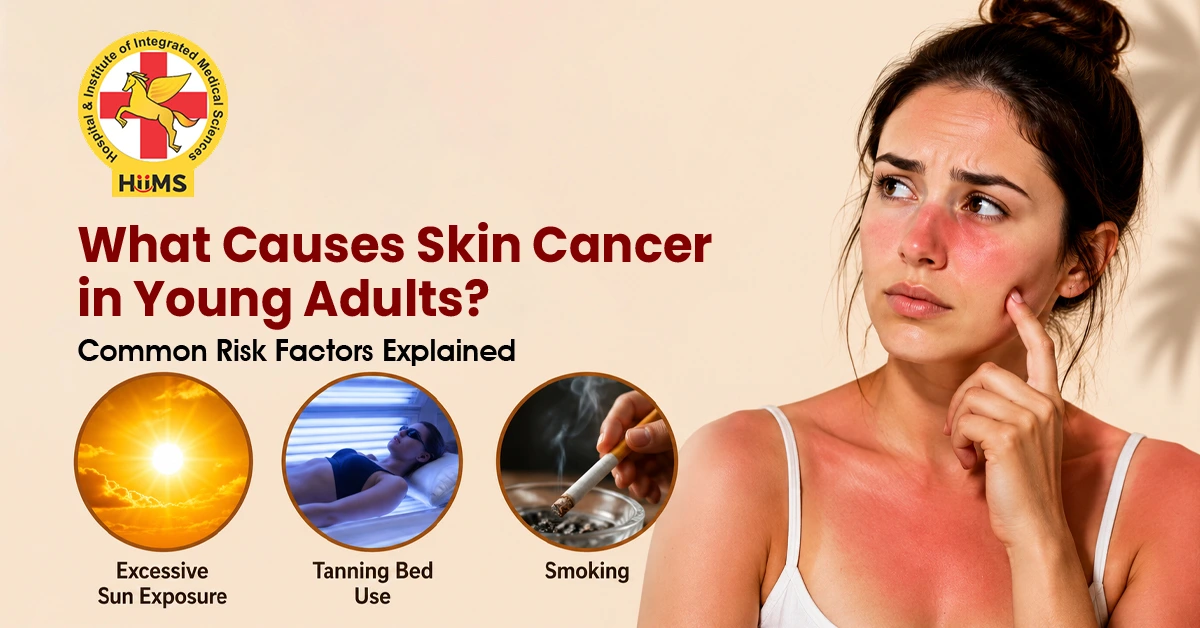
When most people think of skin cancer, they picture older individuals who have spent decades under the sun. However, diagnosis rates among people in their 20s and 30s have grown significantly over the past few decades.
In fact, melanoma the deadliest form of skin cancer, is now one of the most common cancers diagnosed in young adults today.
Modern lifestyle habits, outdoor activities, and the pursuit of a sun-kissed tan have all increased the overall causes of skin cancer in young adults. Because young skin heals quickly on the surface, many people ignore the deep cellular damage that builds up over time.
Understanding the primary skin cancer causes, recognising risk factors early and adopting smart daily habits can protect your skin for a lifetime.
What is Skin Cancer
Skin cancer is the abnormal and uncontrolled growth of skin cells, usually triggered by DNA damage from ultraviolet (UV) radiation. When skin cells undergo these harmful changes, they multiply rapidly and form malignant tumours.
The most common types include basal cell carcinoma, squamous cell carcinoma, and melanoma, with melanoma being the most dangerous and frequently diagnosed form in younger age groups.
Understanding the Main Causes of Skin Cancer in Young Adults
Skin cancer is usually the result of damage to skin cells over time. So here are the main causes of skin cancer in young adults
UV Radiation from the Sun
Unprotected sun exposure is the single biggest cause of skin cell damage. UV rays penetrate the outer layer of the skin and mutate the DNA inside skin cells.
- Severe Childhood and Adolescent Sunburns: Experiencing just one or two blistering sunburns during childhood or teenage years can double your risk of developing melanoma later in life.
- Everyday Exposure: Walking the dog, driving, or sitting near sunny windows without sun protection adds up over the years, leading to premature ageing and damaged skin cells.
Indoor Tanning Beds
Indoor tanning beds expose the skin to intense, concentrated streams of UVA and UVB radiation, often up to 10 to 15 times stronger than midday sunlight.
- Using a tanning bed even once before the age of 35 increases your risk of developing melanoma by almost 59%.
- The reliance on artificial tanning is a major reason behind the rising cases of skin cancer in 30s and late 20s, especially among young women.
Family History
If a parent, sibling or child has had skin cancer, your personal risk is significantly higher. Inherited genetic mutations can make your skin cells less efficient at repairing UV-induced DNA damage.
Having atypical moles (dysplastic nevi) or more than 50 ordinary moles across your body also elevates your baseline risk.
Natural Skin Type
While anyone can get skin cancer, certain physical traits make skin more vulnerable
- Fair skin that burns easily or freckles instead of tanning.
- Naturally red or blonde hair.
- Light-coloured eyes (blue, green or hazel).
Everyday Risk Factors That Increase Skin Cancer Risk in Young Adults
Beyond direct UV exposure, several everyday habits and common misconceptions subtly elevate the skin cancer risk in young adults:
Intermittent Sunbathing: Working all week indoors and then spending six hours baking in intense sunlight on the weekend causes severe, sudden skin trauma. This pattern of intense, intermittent sun exposure is directly linked to melanoma.
Believing the Myth: Many young adults believe getting a light tan before a vacation protects their skin from burning. In reality, a tan is a visible sign that your skin cells have suffered DNA damage and are producing melanin in a desperate attempt to protect themselves.
Skipping Sunscreen on Cloudy Days: Up to 80% of the sun’s UV rays pass straight through clouds. Skipping sunscreen because it feels cool outside leads to unexpected skin damage.
Vaping, Smoking and Pollution: Environmental toxins and smoking produce free radicals that cause oxidative stress in skin tissue and reducing the skin’s natural capacity to repair cellular damage.

What are Early Skin Cancer Symptoms?
Catching changes on your skin early makes treatment much easier and more effective. Knowing your body and checking your skin once a month is a simple habit that can save your life.
When examining your skin, pay attention to early skin cancer symptoms using the ABCDE rule for moles
- A – Asymmetry: One half of a mole or spot does not match the other half.
- B – Border: The edges of the spot are irregular, ragged, notched or blurred.
- C – Colour: The colour is not uniform across the spot. It may include varying shades of brown, black, pink, red, white, or blue.
- D – Diameter: The spot is larger than 6 millimetres across (about the size of a pencil eraser), though some can be smaller.
- E – Evolving: The mole or spot is actively changing in size, shape, colour, or height over time.
Beyond moles, watch out for non-healing sores, spots that itch, bleed, or ooze, or new unusual growths that do not go away after a few weeks.
Skin Cancer Prevention: Simple Habits for Daily Protection
The good news is that skin cancer is one of the most preventable conditions. You do not need to stay trapped indoors to keep your skin safe you just need smart, consistent daily habits for effective skin cancer prevention.
- Apply Sunscreen Every Day: Use a broad-spectrum sunscreen with SPF 30 or higher on all exposed skin every morning, even on cloudy days. Reapply every two hours if you are outdoors, sweating, or swimming
- Wear Protective Clothing: Broad hats, UV blocking sunglasses, and lightweight long-sleeved shirts provide a physical barrier that sunlight cannot penetrate
- Ditch the Tanning Beds: Completely avoid indoor tanning booths. If you want a tanned look, opt for safe, sunless tanning lotions instead
- Do a Monthly Home Skin Checks: Spend 5 minutes every month checking your skin from head to toe in a well-lit room. Use a mirror to inspect hard-to-see areas like your back, scalp, and the soles of your feet.
- Avoid Sun Exposure: The UV rays are strongest during midday hours. Whenever possible, stay in the shade or plan outdoor activities for earlier or later in the day.
Conclusion
Understanding the primary causes of skin cancer in young adults helps strip away the dangerous myth that youth protects you from sun damage. The choices you make in your 20s and 30s directly dictate your skin health for the rest of your life.
Protecting yourself does not require drastic lifestyle changes. By applying sunscreen daily, avoiding tanning beds and keeping an eye on your skin, you can safely enjoy the outdoors while keeping your skin healthy and strong.

FAQs
Q1. What are the best skin cancer prevention tips?
The most effective steps include wearing broad-spectrum SPF 30+ sunscreen daily, avoiding artificial tanning beds, wearing protective clothing and sunglasses, seeking shade during peak daylight hours, and conducting monthly head-to-toe skin self-exams.
Q2. What are the main causes of skin cancer in young adults?
The primary causes include excessive exposure to sun radiation, the use of indoor tanning beds, severe blistering sunburns earlier in life and skipping daily sunscreen use.
Q3. Is skin cancer in 30s common?
Yes. While overall skin cancer rates are higher in older adults, melanoma is one of the most frequently diagnosed cancers in adults in their 20s and 30s. This rise is primarily driven by accumulated UV exposure, outdoor recreation without protection and indoor tanning bed use.
Q4. Can dark-skinned young adults get skin cancer?
Yes. While higher levels of melanin provide some natural protection against UV burning, people of all skin tones can get skin cancer. In darker skin tones, skin cancer is often diagnosed at later stages in less obvious areas, such as the palms, soles of the feet, under nails or inside the mouth.
Q5.Why are indoor tanning beds so dangerous for young people?
Tanning beds emit concentrated doses of UV radiation that penetrate deep into skin layers and damage cellular DNA at a much faster rate than natural sunlight.