
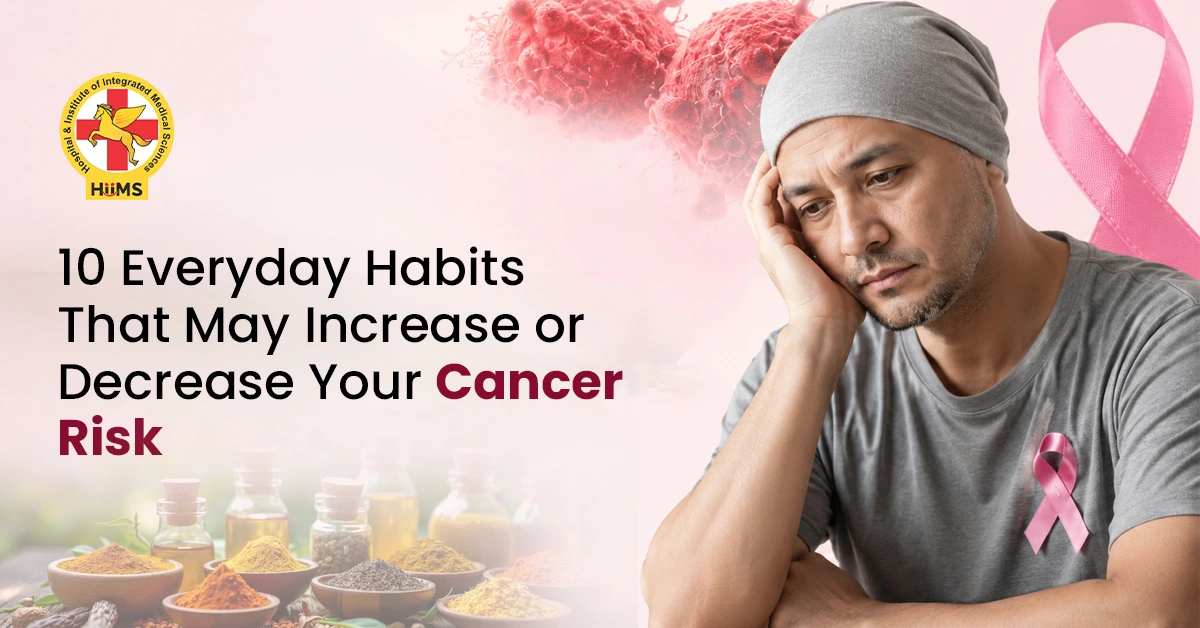
Cancer is not always caused by one single reason. Many small habits that people follow daily can slowly affect the body. Some habits may increase the chances, while some can support better health. This is why understanding daily routine becomes important when we talk about cancer prevention.
Most people focus only on treatment after diagnosis, but lifestyle also plays a role much before that stage. Simple things like food choices, sleep patterns, stress, and activity level can make a difference over time.
This blog explains some very common habits. These are seen in normal daily life. Some may look small, but when repeated for years, they can influence health. It is not about fear, but about awareness. A few mindful changes may help support better long-term health.
Why Daily Habits Matter for Long-Term Health
The body reacts slowly to what we do every day. It may not show the signs immediately, but habits keep building their effect inside. Over time, this can influence overall health and even become part of cancer risk factors.
When habits stay unbalanced for years, the body may struggle to repair itself properly. That is why small daily choices should not be ignored.
Habits That May Raise Cancer Risk and Simple Ways to Improve Them
These are some simple daily habits that people often follow without noticing their long-term impact.
1. Eating Too Much Processed Food
Eating packaged food regularly may increase the load of harmful substances in the body. It can disturb the digestion and the internal balance.
What May Help Reduce The Risk?
Choosing simple, home-cooked meals may support digestion and help with the cancer prevention in a natural way.
2. Not Eating Enough Fruits and Vegetables
Skipping fruits and vegetables may reduce fiber and important nutrients needed for body function.
What May Help Reduce The Risk?
Adding seasonal fruits and vegetables daily may help the body stay clean from the inside and may help reduce cancer risk slowly.
3. Smoking and Tobacco Use
Smoking and tobacco use are strong cancer risk factors. They directly affect the lungs and other organs.
What May Help Reduce The Risk?
Avoiding tobacco completely is one of the most important steps for the long-term health.
4. Sitting for Long Hours
Long sitting hours may slow the metabolism and increase the risk of weight-related problems.
What May Help Reduce The Risk?
Regular walking, stretching, or light activity may support the better body function.
5. Poor Sleep Routine
Irregular sleep or staying awake late may disturb the body’s repair system.
What May Help Reduce The Risk?
Sleeping on time and maintaining a proper routine helps the body recover. This is often included in the simple cancer prevention tips.
6. High Stress Levels
Continuous stress may affect digestion, hormones, and the overall balance.
What May Help Reduce The Risk?
Managing stress through the simple calming practices may support better emotional and physical health.
7. Drinking Alcohol Frequently
Frequent alcohol intake may affect liver health and increase long-term risks.
What May Help Reduce The Risk?
Reducing or avoiding alcohol is considered one of the healthy habits to prevent cancer.
8. Ignoring Body Signals
Ignoring small symptoms may delay early understanding of health problems.
What May Help Reduce The Risk?
Understanding your body signals and acting without delay may support the better balance.
9. Low Water Intake
Low water intake may slow the body’s natural cleansing process.
What May Help Reduce The Risk?
Drinking enough water daily supports digestion and internal balance.
10. Lack of Natural Routine
Irregular eating and lack of a fixed routine may disturb the body’s natural rhythm and slowly affect overall balance.
What May Help Reduce The Risk?
Following a simple daily routine, eating on time, and keeping a balanced lifestyle may help the body stay in rhythm and support cancer prevention over time.
This kind of lifestyle-based approach is often considered as part of care.

Ayurveda and Cancer: A Supportive View
Ayurveda looks at health in a slightly different way. It focuses more on balance inside the body rather than only on symptoms. According to this approach, when digestion, routine, and lifestyle stay balanced, the body may function better.
It does not depend on one single method. Food, daily routine, mental calmness, and natural therapies are all considered together. This kind of thinking may help people understand how to reduce cancer risk in a gradual and steady way.
Conclusion
Daily habits may look simple, but they stay with us for years. Some habits slowly harm the body, while some protect it. Understanding this difference is important for the cancer prevention.
No single step can guarantee anything. But a combination of good food, proper rest, and the mindful living supports better health. Natural approaches also focus on balance rather than the quick fixes.
At Jeena Sikho HiiMS, such lifestyle understanding is often guided along with the care. If you feel confused about your habits or health, you can consider a VOPD consultation for the better clarity and direction.

FAQs
Q1. What is cancer prevention?
It means taking simple steps to lower the chances of developing cancer.
Q2. What are the common risk factors of cancer?
Smoking, poor diet, stress, and an inactive lifestyle are common factors.
Q3. Can changing habits help reduce cancer risk?
Yes, small lifestyle changes may support the better long-term health.
Q4. Is diet important in cancer prevention?
Yes, a balanced diet may support the overall health and body strength.
Q5. When should someone seek medical advice?
If symptoms feel unusual or do not go away even after some time.