


tur heart continues to work to pump blood throughout the body. It gives oxygen and nutrients to the different organs and is very important for our health. But over time, bad eating habits, stress, lack of physical activity, poor sleep, and certain lifestyle choices can affect heart health.
Looking after your heart doesn’t always mean complex changes. Little things like eating right, getting enough water, moving your body, and keeping on a balanced routine add up. The tradition of Ayurveda has long used various herbs, spices, and kitchen ingredients for day-to-day wellness. Herbal drinks and kadhas are usually prepared with ingredients like tulsi, amla, ginger, cinnamon, and Arjuna bark.
These drinks to support heart health can be included in a balanced diet, provided they are suitable for your health condition. However, they should not be considered a cure for heart disease or a replacement for prescribed medicines. In this blog, we will explore seven Ayurvedic drinks to support heart health that can be included in your daily routine and general wellness.
1. Arjuna Bark Tea (Arjun Ki Chaal Tea)
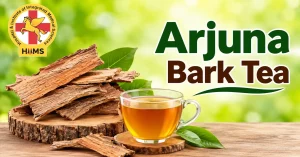
Arjuna bark is one of the most common cardioprotective herbs used in the practice of Ayurveda. This tea contains antioxidants in the form of natural plant compounds, including flavonoids and tannins. In India, people traditionally use Arjuna tea as part of Ayurvedic heart care. However, researchers need more high-quality human studies to confirm its benefits.
- 1 teaspoon Arjuna bark powder.
- 1 cup water.
Preparation:
- Take a powder of bark of Arjuna in a cup of water.
- Boil for 5-10 minutes or so.
- Strain the mixture and let it cool slightly.
- If you wish, drink it while it is hot.
Wellness support: Arjuna is high in plant components that are antioxidants and has traditionally been used to maintain good heart health.
Precautions: If you are on medication for heart and blood pressure, do not take Arjuna without consulting your doctor first.
2. Cinnamon and Ginger Infusion

Cinnamon and ginger are common kitchen ingredients in traditional Indian diets. Ginger contains gingerol, while cinnamon provides various plant compounds. Both contain natural substances that researchers study for their antioxidant and potential metabolic benefits.
Ingredients:
- 1 small piece of ginger.
- ½ teaspoon cinnamon powder.
- 1 cup water.
Preparation:
- Add the ginger and the cinnamon to a cup of water.
- Let it boil for 5-7 minutes.
- Strain the drink and serve hot.
Health Benefits: Ginger and cinnamon are packed with plant compounds that act as antioxidants. They can be part of a healthy diet. They can be part of a healthy lifestyle.
Warning: May cause excessive consumption. Cinnamon, especially cassia cinnamon, may contain coumarin, which in high amounts can affect the liver. Ginger also may interfere with certain medications.
3. Tulsi Tea
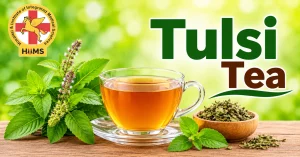
Tulsi (Holy Basil) is an important component in ayurvedic medicine. People commonly use this herb to prepare herbal teas. It contains natural plant compounds with antioxidant properties. The herbal tea made from this herb is a refreshing substitute for soft drinks.
Ingredients:
- 5–6 fresh tulsi leaves
- 1 cup water
- A small piece of ginger (optional)
Preparation:
- Wash the tulsi leaves properly.
- Add them to a cup of boiling water.
- Let them simmer for 3–5 minutes.
- Strain and drink warm.
How it supports wellness: Tulsi provides natural plant compounds and can be included in a balanced daily diet. Its tea may also be a comforting part of a relaxing routine.
Precaution: Pregnant women and people taking blood-thinning or blood sugar medicines should seek medical advice before consuming concentrated tulsi preparations regularly.
4. Amla and Aloe Vera Juice
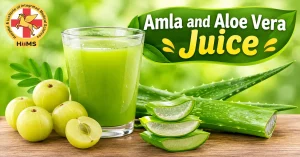
Indian gooseberry is a natural source of vitamin C and other phytochemicals. The Aloe vera is known for its use in the preparation of certain medicinal products. Indian Gooseberry has antioxidants that protect body cells from oxidative damage. It is, however, not known whether these two have any benefit on the cardiovascular system.
Ingredients:
- 1 fresh amla or 20–30 ml amla juice
- 10–15 ml food-grade aloe vera juice
- 1 glass of water
Preparation:
- Wash and remove the seeds from fresh amla.
- Blend it with water.
- Add a small quantity of food-grade aloe vera juice.
- Mix well and consume fresh.
Healthy nutrition: Amla is loaded with the vitamin C and antioxidants. This fruit is a great inclusion in your healthy eating routine.
Caution: Do not take any non-edible aloe vera juice. Aloe juice may cause stomach irritation or interaction with some medicines. People having any kidney problems or taking medicines regularly should consult their doctor before using aloe juice.
5. Turmeric Golden Milk
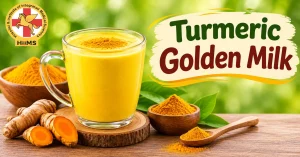
Turmeric is extensively consumed in Indian cuisine and also in the preparation of traditional Ayurvedic medications. All we know that Turmeric has curcumin that has been studied due to its antioxidant and anti-inflammatory nature. Drinking golden milk is one of the simplest methods of consuming turmeric regularly.
Ingredients:
- 1 cup milk or unsweetened plant-based milk
- ¼ teaspoon turmeric powder
- A pinch of black pepper (optional)
Preparation:
- Heat the milk in a pan.
- Add turmeric powder.
- Add a small pinch of black pepper if suitable.
- Stir well and serve warm.
How it promotes well-being: Curcumin, found in turmeric, is known to play an important role in helping the body manage its inflammatory process.
Caution: Excessive consumption of turmeric should be avoided if one suffers from gallbladder disease and is on blood-thinning drugs. Normal consumption differs from that of supplements.
6. Coriander and Fennel Seed Water
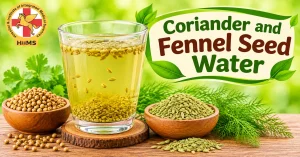
Dhania (coriander) seeds and saunf (fennel) seeds are usually available in all Indian kitchens. These are traditionally used for making drinks and digestives. Both these components consist of natural chemicals from plants that could flavour water without any addition of sugar.
Ingredients:
- 1 teaspoon coriander seeds
- 1 teaspoon fennel seeds
- 2 cups water
Preparation:
- Add coriander and fennel seeds to water.
- Boil for around 5–10 minutes.
- Allow the mixture to cool.
- Strain and drink.
How it supports wellness: This herbal infusion can be a refreshing, low-sugar beverage option and may be included in a balanced diet.
Precaution: People with known allergies to these ingredients should avoid them. Do not use this drink as a substitute for prescribed blood pressure medication.
7. Ayurvedic Cardio Care Kadha
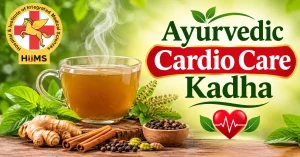
People in India have used kadhas as part of traditional health practices for generations. They prepare these herbal drinks by boiling herbs and spices in water to extract their flavours and natural compounds. From among all the Ayurvedic Kadhas for heart wellness, the ones that contain Arjuna bark, ginger, and cinnamon are generally cited when discussing traditional heart health. HiiMS also features its Ayurvedic Cardio Care Kadha in this regard.
Commonly highlighted ingredients:
- Arjuna bark
- Cinnamon
- Ginger
Preparation: The preparation process and amount of ingredients can differ based on the preparation. Instructions must be followed as given on the respective product, or a consultation with an Ayurveda expert is a must.
Wellness benefits: Plants have antioxidants which have been studied. Kadha can be used as a complimentary dietary preparation after consultation.
Precaution: Do not use herbal kadhas to replace heart medicines or prescribed treatment. People with existing cardiovascular conditions should consult their doctor before adding them to their routine.
Can Ayurvedic Kadhas Support Healthy Cholesterol?
A great number of people seek methods of maintaining proper levels of lipids. Some herbs and spices that have been used in the Ayurvedic treatment system were researched with regard to their influence on metabolism.
Some traditional preparations are promoted as Kadhas to support healthy cholesterol, but their effectiveness depends on the ingredients, quantity, and individual health condition. There is not enough strong clinical evidence to recommend these drinks as a replacement for cholesterol-lowering medicines.
If your cholesterol levels are high, consult your doctor and follow the recommended diet, exercise routine, and medication plan.
Other Lifestyle Habits for Better Heart Health
Along with including suitable herbal drinks in your diet, you should also follow healthy lifestyle practices to maintain good heart health.
- Have a balanced diet: You should eat fruits, vegetables, whole grains, pulses, and nuts.
- Exercise frequently: Walking and doing yoga can help you in this case.
- Take care of stress: It involves meditating and having enough rest to manage emotions.
- Sleep well: Have proper sleep every night
- Reduce excess salt and sugar: Do not overeat foods that are excessively salty and sugary.
- Do not smoke: Smoking is a significant risk factor for heart diseases.
You can also take a free consultation for heart health and for more information about dietary habits and holistic wellness.
Conclusion
Caring for your heart involves small but consistent modifications in your lifestyle. Some of the Ayurvedic drinks to support heart health include Arjuna tea, tulsi tea, ginger and cinnamon infusion, and turmeric milk. You may consume all these drinks in your daily routine if they are not harmful to your current state of health. No drink will cure blocked arteries or serve as treatment for heart conditions.
Jeena Sikho HiiMS provides holistic means for ensuring well-being, which include Ayurveda, natural therapy, nutrition and lifestyle suggestions. You are advised to see your medical expert on what types of diet and well-being programmes suit you best.

Frequently Asked Questions (FAQs)
Q1. Which Ayurvedic beverage is good for the heart?
People can include Arjuna tea, tulsi tea, ginger-cinnamon tea, and turmeric milk in their diet as part of traditional Ayurvedic practices. They should choose these options according to their individual health needs..
Q2. Does Arjuna tea have any benefits for the heart?
Ayurvedic practitioners traditionally use Arjuna tree bark to support heart health. It contains natural antioxidant compounds. However, more scientific research is needed to confirm its potential benefits.
Q3. Can Ayurvedic kadhas help in maintaining normal cholesterol?
Some herbs used in kadhas may have metabolic and antioxidant effects. However, they should not replace cholesterol-lowering medications. More research is required to find out their effects.
Q4. Is there anything that I can take from Ayurveda that will be beneficial for me daily?
People should not consume all these herbs daily, as some may interact with certain medications or cause unwanted effects.
Q5. What can I do to keep my heart healthy?
Good eating habits, physical activity, appropriate body weight, sufficient sleep, stress relief, no smoking, and the control of blood pressure and cholesterol will promote heart health.