
Talking about piles is not easy for most people, even when the discomfort does not allow them to stay calm and composed. Many treat it as something private, something better ignored than discussed, and this silence often delays the right kind of care. Understanding what is piles at the right time can change how quickly a person recovers, because early attention usually means simpler solutions and far less discomfort later.
The rectal region is sensitive, and even a small swelling can affect daily comfort, sitting, walking, and digestion. Ayurveda looks at this condition through a different perspective altogether. Instead of focusing only on the swelling, it studies digestion, gut pattern, and daily habits that quietly build pressure over time. This combination of modern understanding and traditional wisdom makes piles easier to recognise and manage.
In this blog, you will get a clear understanding of piles, its causes, symptoms, and the different types, along with how Ayurveda approaches this condition from the root.
What Is Piles?
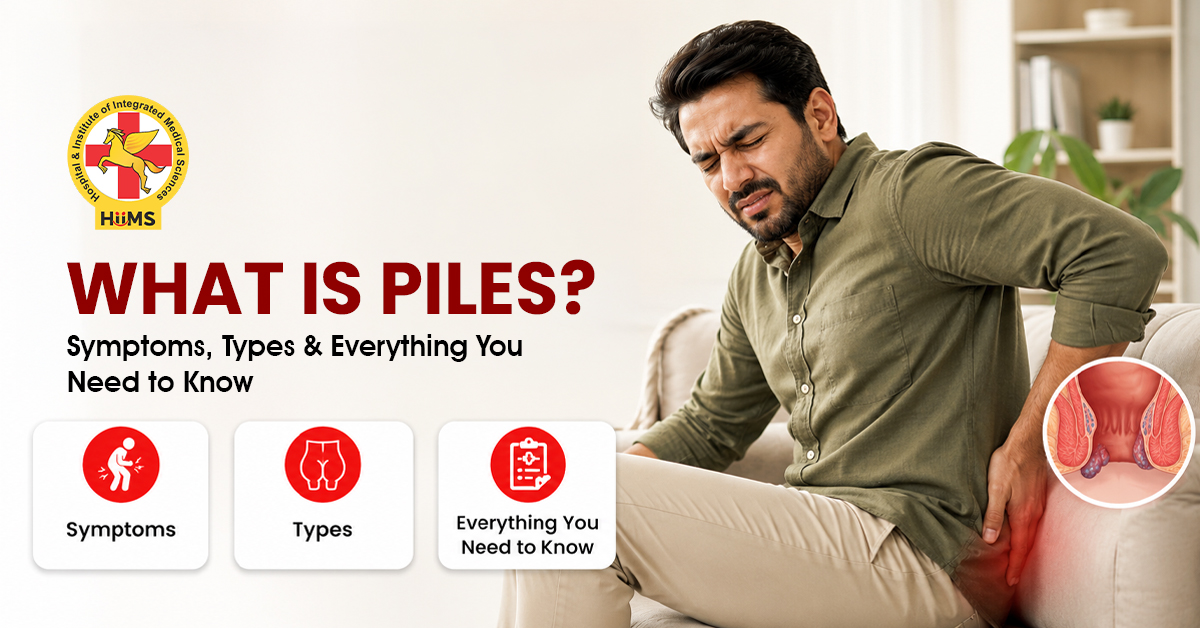
What is piles, really? Piles are swollen veins in the walls of the rectum and around the anus. When pressure on these veins rises beyond a normal level, they stretch, bulge, and become inflamed, either inside the rectum or near the anal opening.
In Ayurveda, this condition is called ‘Arsha’, an imbalance created by poor digestion and weak bowel movements. When digestion slows and stools turn dry or hard, the veins face constant strain, and this repeated pressure is usually what leads to piles.
Causes of Piles You Should Know
Several everyday habits quietly contribute to piles, and most people never connect them until symptoms appear. Understanding the causes of piles helps you make small changes before the condition worsens.
- Chronic constipation and repeated straining pressure the rectal veins.
- Long sitting hours slow blood circulation in the lower body.
- Low-fiber eating and low water intake harden stools.
- Low physical activity, pregnancy, and obesity add extra pressure.
- Age-related changes weaken tissue support around the anus.
Piles Symptoms That Should Not Be Ignored
Piles hardly ever show up without warning, though many people overlook the early signs. Recognising piles symptoms early makes treatment simpler and far less stressful.
- Bleeding while passing stool, often the first sign noticed.
- Pain, burning, or persistent itching around the anus.
- A lump or swelling near the anal opening.
- Discomfort while sitting, along with mucus discharge.
How to Identify Piles at an Early Stage
Piles hardly ever start with severe pain. The earliest signs are small and easy to dismiss as ordinary digestive discomfort. How to identify piles early comes down to noticing when discomfort keeps repeating with every bowel movement rather than fading on its own. Self-diagnosis is not always reliable, so a proper medical assessment is essential once symptoms continue beyond a week.
Types of Piles Explained
Understanding what is piles becomes clearer once you know the different types it can take, since each behaves differently.
Internal Piles
Internal piles form inside the rectal wall and usually stay out of sight. They are graded from Grade I to Grade IV based on how far they progress, and most people notice this type through mild bleeding rather than pain.
External Piles
External piles develop under the skin around the anus. Since this area has many nerve endings, they are likely to cause more noticeable pain, especially while sitting.
Prolapsed Piles
Prolapsed piles happen when internal piles push outward and become visible outside the anal opening, sometimes retracting on their own and sometimes needing gentle assistance.
Thrombosed Piles
Thrombosed piles occur when a blood clot forms inside an external pile, causing sudden, intense pain that often needs urgent health care. Together, these different types of piles show why the condition should never be judged by one symptom alone.
Ayurvedic Approach to Managing Piles at Jeena Sikho HiiMS
At Jeena Sikho HiiMS, care for piles starts with a personalised Ayurvedic consultation that studies digestion, lifestyle, and daily habits closely. Doctors guide patients on diet and lifestyle changes, therapies where appropriate, and herbal formulations prescribed after individual assessment, strengthening digestion and bowel health with individualised care instead of a one-size-fits-all method.
Bringing together the causes of piles, piles symptoms, and the different types of piles shows why this condition should never be ignored, and knowing how to identify piles early keeps treatment simple.
Conclusion
Understanding what is piles, along with its symptoms, causes, and types, helps people respond early instead of ignoring discomfort until it becomes more severe. Small lifestyle changes, better hydration, and timely medical guidance often make a noticeable difference in how quickly the condition improves. Piles may feel like an uncomfortable topic to discuss, but early attention almost always leads to easier management. Jeena Sikho HiiMS Bengaluru follows an Ayurvedic approach that focuses on digestive health and personalised care for every patient.
If you are dealing with piles or related digestive discomfort, you can opt for a VOPD consultation with expert doctors at Jeena Sikho HiiMS for guided, personalised care.

FAQs
- What is piles and why does it happen?
Piles develop when the veins around the rectum and anus swell due to constant pressure from constipation, straining, or prolonged sitting. - What are the early piles symptoms?
Early signs often include mild bleeding, itching, and slight discomfort while sitting or passing stool. - How can I identify piles at home?
Noticing recurring discomfort, bleeding, or a small lump near the anus over several days is usually a strong early indicator. - What are the different types of piles?
Piles are generally grouped into internal, external, prolapsed, and thrombosed types, each differing in location and severity. - When should I consult a doctor for piles?
A doctor’s evaluation becomes necessary once symptoms persist beyond a week or when bleeding and pain increase noticeably.