
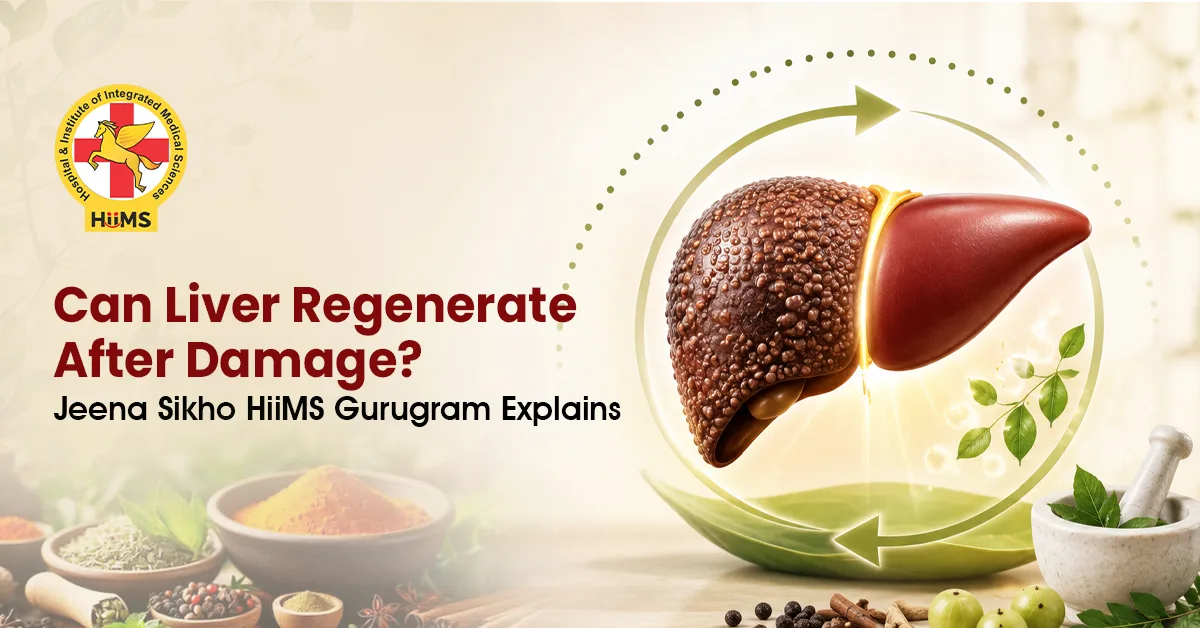

Here’s something that surprises a lot of people: your liver is one of the very few organs in your body that can actually grow back after damage. Not repair a scratch, actually regenerate its own tissue and function. Can liver regenerate? Genuinely, yes, and the science behind it is fascinating.
But there’s a catch, too; this ability isn’t unlimited, and knowing where the line sits matters just as much as knowing the liver can heal at all. This blog breaks down how liver regeneration actually works, and where Ayurveda fits into supporting it.
The Science Bit: How Does the Liver Actually Heal Itself?
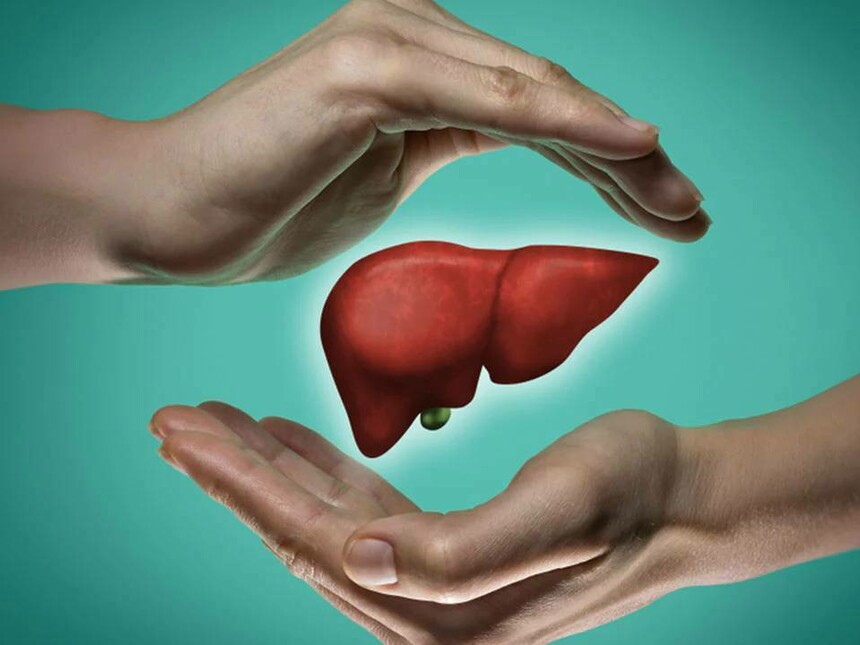
Liver cells, hepatocytes, make up roughly 80% of the organ. They’re the ones doing most of the work when regeneration kicks in. Damage or removal happens, and the remaining healthy hepatocytes pick up a biochemical signal, essentially a “start dividing” cue, and they multiply fast. Doctors call this compensatory hyperplasia.
Here’s the part that genuinely surprises people: only about 10% of the original liver needs to survive for the whole thing to eventually grow back to full size. Starts within days of injury, too, though the full process, depending on severity, can stretch out over weeks or even months.
Signs Your Liver is Healing Itself: Worth Watching For
If you’re recovering from liver damage, a few genuine indicators suggest things are moving in the right direction:
- Improved digestion and less bloating after meals
- Steadier energy levels through the day
- Better appetite returning gradually
- Skin looking less dull, and jaundice, if present, starting to ease
- Blood test markers like liver enzymes are trending back toward normal ranges
None of these confirms full recovery on its own, but together, they’re a reasonable sign your body’s healing process is genuinely underway.
When Does Liver Regeneration Stop Working? Understanding Cirrhosis
This is the honest part that needs saying clearly. Not every form of liver damage reverses. Repeated injury over the years can cause scar tissue, called fibrosis, to build up.
Once that scarring spreads extensively, it’s called cirrhosis, and at that stage, healthy liver tissue gets replaced by scar tissue that simply can’t regenerate the way normal hepatocytes do. So, can liver regenerate after reaching cirrhosis? Not fully, unfortunately, which is exactly why catching liver damage early, before it progresses that far, makes such a genuine difference.
How to Repair Liver Damage Naturally: Daily Habits That Matter
For liver damage that hasn’t progressed to cirrhosis, a few consistent habits genuinely support the body’s natural healing process:
- Avoiding alcohol entirely while your liver is actively recovering
- Eating fresh, light meals with plenty of bitter vegetables and fruit
- Staying properly hydrated through the day
- Getting enough sleep, since your liver does a lot of its repair work at night
- Managing existing conditions like diabetes or obesity that place extra strain on liver function
Understanding how to repair liver damage naturally really comes down to reducing the ongoing burden on the organ and giving those hepatocytes the space and resources they need to do their job.
Ayurvedic Herbs for Liver: What Acharya Manish Ji and Jeena Sikho HiiMS Recommend
A handful of Ayurvedic herbs for liver support keep showing up in traditional practice, and for good reason. Bhumyamalaki gets used specifically for its role in supporting liver cell regeneration. Kutki works as a detoxifier, stimulating bile secretion and cooling excess Pitta, the dosha most tied to liver function in Ayurveda. Kalmegh eases inflammation.
Punarnava helps with fluid balance and bloating. Acharya Manish Ji pairs these herbs with a few daily habits too: warm water with lemon first thing in the morning, skipping cold or stale food, eating your biggest meal earlier in the day rather than at night, and cooking regularly with turmeric and curry leaves. All small things, but they genuinely take some load off the liver day to day.
What Liver Therapies Does Jeena Sikho HiiMS Gurugram Actually Offer?
At Jeena Sikho HiiMS Gurugram, liver support goes beyond just a herb list handed over at the first visit. Doctors typically start by checking digestion, sleep quality, and overall strength before building anything. From there, treatment often includes:
- Panchakarma therapies, particularly Virechana, a supervised purgation process used to clear excess Pitta and toxin buildup, along with Basti, where digestion needs extra support
- Liver Shuddhi Kadha, a herbal decoction served as part of the clinic’s weekly liver support routine, made from bitter, liver-friendly herbs soaked overnight and taken on an empty stomach
- Personalised diet correction, built around light, warm, and easily digestible meals suited to the person’s current digestive strength
- Herbal formulations combining Bhumyamalaki, Kutki, Kalmegh, and Punarnava, adjusted based on the specific liver concern, whether that’s fatty liver, early fibrosis, or general sluggishness
Everything gets coordinated with whatever medical treatment the person’s already on, working alongside it rather than replacing it.
How Ayurveda Supports Liver Regeneration
Understanding how Ayurveda supports liver regeneration comes down to recognising its actual role here, a complement, not a substitute, for your prescribed medical treatment.
At Jeena Sikho HiiMS Gurugram specifically, this means a personalised assessment first, then herbal support, dietary correction, and Panchakarma-based therapies layered in where appropriate, always alongside your existing care rather than working around it.
Conclusion
Can liver regenerate? Yes, genuinely, and it’s one of the more remarkable abilities your body has, but that power has real limits once scarring sets in. Catching liver concerns early, supporting your body through diet and lifestyle, and getting proper guidance all make a real difference.
If you’re in Gurugram and want to understand what natural support could look like for your specific liver health needs, you can book an appointment.

FAQs
Q1. How long does it take for the liver to regenerate after damage?
Ans. Depends on how bad the damage is, but the process usually kicks off within days and can take weeks to months to fully wrap up.
Q2. Is liver cirrhosis ever reversible?
Ans. Once scarring’s spread extensively, regeneration gets very limited; that’s exactly why catching things early matters so much more than treating late.
Q3. Can the liver regenerate even after removing part of it surgically?
Ans. Yes, it can regrow to close to its original size and function, even after a fairly significant surgical removal.
Q4. Do Ayurvedic herbs actually support liver cell regeneration?
Ans. Herbs like Bhumyamalaki are traditionally used for exactly this, though they should always be taken under guidance, alongside your medical treatment, not instead of it.
Q5. What’s the biggest factor that slows down liver healing?
Ans. Continued alcohol use tops the list, along with ongoing inflammation, both genuinely limit how well the liver can bounce back.