

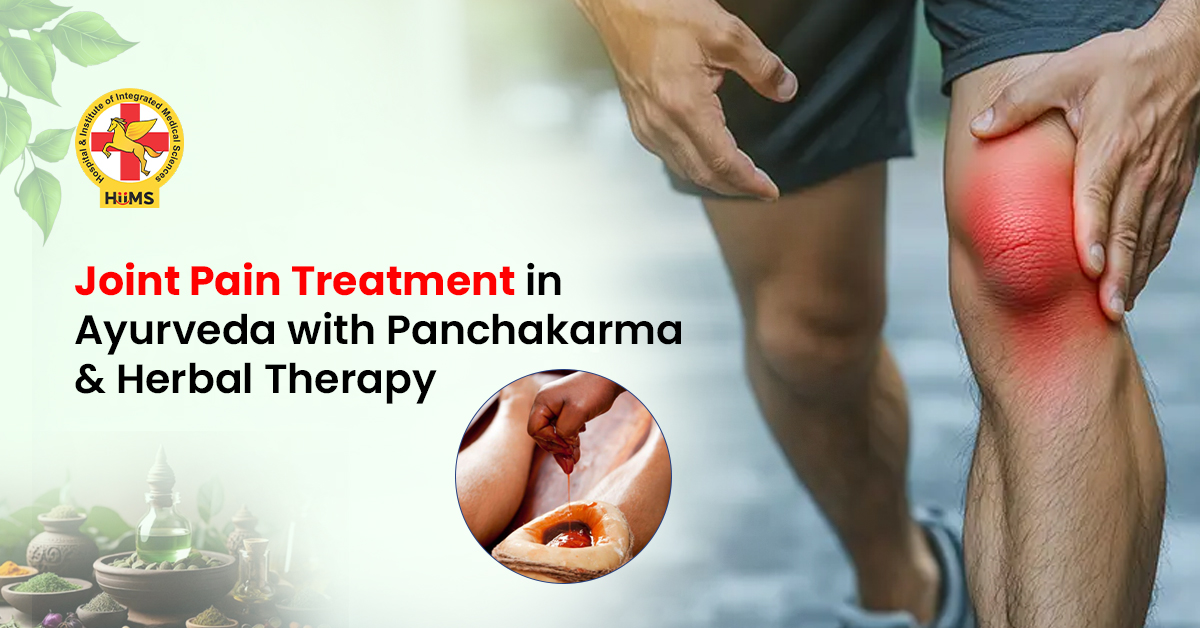
Joint pain is no longer seen only in old age. Today even young adults complain of stiffness in knees, shoulders, or fingers. Long sitting hours, irregular food habits, weight gain, and stress all slowly affect the joints. At first the pain may be mild. Then it starts disturbing daily work. Climbing stairs becomes difficult. Sitting on the floor feels uncomfortable. Sometimes there is swelling. Many people take painkillers for quick relief, but that does not always solve the root issue.
This is where Joint Pain Treatment in Ayurveda becomes helpful. Ayurveda does not only look at pain. It tries to understand why the pain started. Is digestion weak? Is there toxin build-up in the body? Is the joint losing nourishment? At Jeena Sikho HiiMS Goa, doctors first study the patient’s history, lifestyle, and body constitution. Then they suggest a suitable plan which may include herbal medicines, oil therapies, and Panchakarma procedures. The treatment aims to support steady healing instead of just controlling symptoms for a short time.
Key Symptoms of Joint Pain
Joint discomfort can appear in different ways. You may observe:
- Trouble while walking or bending
- Morning stiffness that takes time to settle
- Swollen joints
- Slight heat or redness sometimes
- Sound in the joint when moving
- Movements not as free as before
- Holding objects feels weak
At times, the pain may not stay in one place and can shift to another joint. In some people, fatigue is also present. It is better to seek advice early rather than waiting for the condition to worsen.
Joint pain relief in ayurveda focuses on identifying these signs early and starting supportive care before damage increases.
Main Causes of Joint Pain
Joint pain does not happen suddenly. It usually builds up over time because of:
- Weak digestion
- Vata imbalance
- Ageing joints
- Old injuries
- Extra weight
- Less physical activity
- Autoimmune problems
When digestion is weak, toxins called “Ama” settle in the joints and cause swelling and stiffness. Due to this, you may feel swelling and tightness in the joints. Ayurvedic treatment for joint pain aims to improve digestion, support blood flow, and clear accumulated toxins.
Ayurvedic Joint Pain Treatment Approach
Joint Pain Treatment in Ayurveda is planned step by step. First, doctors examine the affected joints. Doctors discuss food habits, sleep pattern, bowel movements, and daily routine with the patient. Through this, the underlying imbalance is identified.
Treatment usually includes:
- Herbal formulations to reduce inflammation
- Medicated oils for local application
- Panchakarma cleansing if required
- Diet correction
- Gentle yoga and lifestyle advice
This method is considered a natural joint pain treatment because it avoids aggressive procedures. It supports the body’s own healing ability.
Panchakarma and Cleansing Therapies
Panchakarma is an Ayurvedic cleansing method. It has five main treatments – Vamana, Virechana, Basti, Nasya, and Raktamokshana. Every procedure works in its own way to remove toxins from the body.
In cases of joint pain, Basti therapy is commonly advised because it helps balance Vata and improve joint lubrication. In certain inflammatory conditions, Virechana may be recommended to clear toxins from the digestive tract. These therapies are done under supervision.
At Jeena Sikho HiiMS Goa, Panchakarma is planned only after proper assessment. An initial review of the patient’s physical strength and overall health is carried out. On that basis, therapy is structured with safety and comfort in mind.
Ayurvedic Therapies for Joint Care
Ayurveda uses warm medicated oils to nourish joints and improve movement. Some important therapies include:
- Janu Basti – A dough ring is placed around the knee. Warm herbal oil is poured inside and kept for a fixed time. This helps reduce stiffness and supports flexibility. Many people who are advised surgery for knee pain try this supportive therapy.
- Kati Basti – This therapy focuses on the lower back. Warm oil is retained over the spine area. It eases tightness and helps in bending or sitting.
- Greeva Basti – Used for neck and shoulder discomfort. It gives relief in cervical stiffness.
- Pristha Basti – Applied over the full spine. It supports overall back strength.
Another commonly suggested method is abhyanga therapy for joint pain. In this, the body is massaged with medicated oil. It improves circulation and reduces dryness.
These are considered important ayurvedic therapy for joint pain options, especially when stiffness and reduced mobility are present.
Herbal Support and Daily Care
Herbal medicines play a key role in ayurvedic remedies for joint pain. Formulations may contain ingredients known for reducing swelling and improving joint lubrication. Doctors choose medicines based on body type and severity.
Diet also matters. Patients are asked to cut down on oily and processed food. Home-cooked, warm meals are better. Taking meals on time and drinking enough water supports digestion. Simple stretching and light yoga can help. Sudden heavy movements should be avoided. Regular care is more effective than just taking something for quick relief.
Prevention and Long-Term Joint Health
Joint care does not stop after pain reduces. Maintenance is important. Simple habits help in preventing recurrence.
- Maintain healthy weight.
- Do mild exercise daily.
- Avoid sitting for long hours without movement.
- Take warm food instead of refrigerated items.
- Sleep on time.
These steps support joint pain relief in ayurveda and reduce further damage. Prevention is always easier than treatment.
Conclusion
Joint pain can slowly affect quality of life. At first it may feel like small stiffness, but over time it can affect daily movement. Taking pain tablets again and again does not solve the real problem. Joint Pain Treatment in Ayurveda focuses on the root cause by improving digestion, correcting routine, and reducing toxin build-up, along with proper joint care.
At Jeena Sikho HiiMS Goa, treatment begins with detailed evaluation. Doctors do not rush into aggressive methods. Treatment is structured in line with the patient’s physical capacity and current health status. Panchakarma, herbal medicines, oil treatments, and lifestyle correction are combined carefully. Results may take some time. If you continue treatment regularly and follow advice properly, the pain can reduce slowly.
Don’t ignore ongoing joint stiffness or swelling. Book your visit and start a supervised Joint Pain Treatment in Ayurveda designed for you.

FAQs
1. Is Joint Pain Treatment in Ayurveda safe?
Yes, when done under medical supervision, it is generally safe and supportive.
2. How long does ayurvedic treatment for joint pain take?
Duration depends on severity, but steady care gives gradual improvement.
3. Can Panchakarma help in chronic joint pain?
Yes, selected Panchakarma therapies may reduce toxin load and balance doshas.
4. Is abhyanga therapy for joint pain painful?
No, it is a soft oil massage that relaxes the body and gives nourishment to the joints.
5. Can I combine natural joint pain treatment with other medicines?
It is better to inform your doctor so treatment can be adjusted safely.