
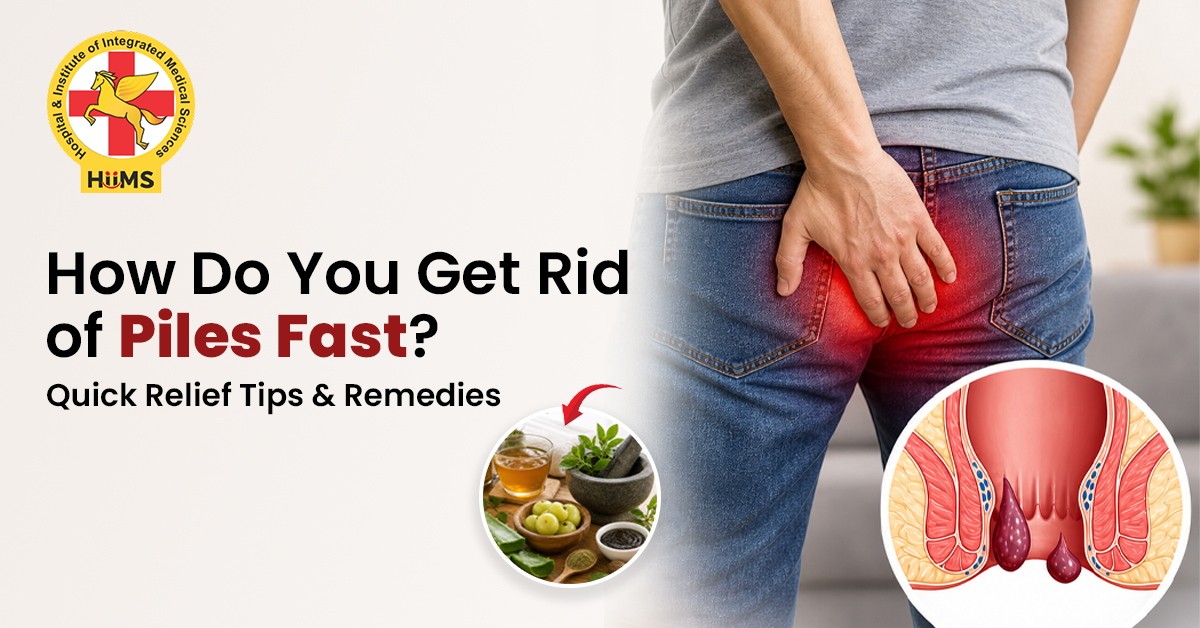

One uncomfortable thing about piles is that people rarely react to it immediately, at first they adjust. Somebody starts sitting a little differently during office hours. Someone else avoids eating outside for a few days thinking digestion will settle on its own. Then slowly the irritation becomes harder to ignore. Passing stool feels uncomfortable, sitting too long becomes annoying, and sometimes there’s itching that keeps returning for no clear reason.
Even after all this, many people still delay proper care because discussing piles openly feels embarrassing to them. So instead of talking to anyone, they quietly search online for ‘how to get rid of piles‘ hoping there’s a simple way to calm the discomfort quickly. The good part is that piles often responds better when attention is given early.
In this blog, we’ll go through practical relief tips, everyday habits that quietly worsen piles, commonly used natural remedies, and supportive treatment approaches people explore for better recovery.
What Are Piles and Why Do They Happen?
Piles, also called hemorrhoids, happen when veins around the lower rectal area become swollen because of repeated pressure. Sometimes the swelling stays mild and only causes irritation. In some people, it becomes painful enough to affect sitting, walking, or bowel movement comfortably.
The condition itself is very common, although most people behave as if it is something unusual. Many individuals first try random remedies at home and only later think about visiting a piles doctor once the discomfort starts interfering with normal routine.
Common Reasons Behind Piles
Constipation is one of the biggest reasons piles develops in the first place. When bowel movement becomes hard and people keep straining repeatedly, pressure builds around the veins slowly. Long sitting hours also contribute, especially for people working desk jobs where movement stays limited throughout the day.
Apart from this, low-fibre meals, poor water intake, irregular eating schedules, and constantly delaying bowel movement can also worsen the condition over time. Pregnancy may also create pressure around the lower abdomen, which is why many women experience piles-related discomfort during that phase.
Usually it is not one single reason. It is several small habits continuing together for months.
How To Get Rid of Piles Fast?
Anyone searching for how to get rid of piles fast is usually trying to reduce irritation quickly enough to get through the day comfortably again. While there’s no magical overnight fix, a few simple things genuinely help calm the area when followed properly. Such as:
Warm Sitz Bath
Warm water often feels surprisingly soothing during piles discomfort. Sitting in lukewarm water for ten to fifteen minutes may help reduce irritation around the area and make sitting feel easier for some time afterward. Many people prefer doing this after bowel movement because that’s usually when the discomfort feels stronger.
Cold Compress for Swelling
Some people feel better after applying a cold compress wrapped in a soft cloth for a few minutes. It may help reduce swelling temporarily and calm the burning sensation that sometimes comes with piles.
Stop Forcing Bowel Movement
One thing that quietly worsens piles is sitting too long in the washroom while straining repeatedly. The more pressure placed around the swollen veins, the more irritated the area tends to become.
Gentle Cleaning Concerns
People often make the mistake of rubbing the area harshly with rough tissue. Lukewarm water and gentle cleaning usually feels much better when the skin already feels irritated.
Water Intake Changes More Than Expected
Not drinking enough water often makes stool harder than usual. Softer bowel movement usually means less pressure and less discomfort during the day.
Home Remedies for Piles That People Commonly Try
A lot of people begin with home remedies for piles before considering professional treatment because they want to manage the discomfort naturally first.
Fibre-Rich Food
Simple foods like papaya, banana, oats, soaked raisins, and leafy vegetables are commonly included in piles-friendly diets because they help bowel movement stay smoother.
Warm water early in the morning is another habit many people follow regularly for digestive comfort. Some also use Triphala because it is traditionally associated with bowel balance and easier digestion in Ayurveda.
Aloe Vera and Coconut Oil
People also apply aloe vera gel or coconut oil externally because dryness and irritation around the area often becomes uncomfortable during piles. These things may not remove the condition completely, but they sometimes help the area feel calmer.
Along with these, herbal teas and light homemade meals are also commonly preferred during recovery because the stomach feels less burdened.
Piles Treatment Without Surgery
When Home Care Stops Helping
Sometimes the discomfort keeps returning, no matter how carefully someone manages food and routine. There may be repeated bleeding, swelling that does not reduce properly, or pain during sitting that starts affecting everyday life. Around that stage, many people start exploring piles treatment without surgery because they feel more comfortable trying supportive methods before thinking about bigger procedures.
Natural and Ayurvedic Approaches
At Jeena Sikho HiiMS, many people explore Ayurvedic methods focused on digestion support and natural management.
- Kshar Sutra therapy is one such Ayurvedic approach where a medicated thread is used carefully under supervision to support gradual healing of the affected tissue.
- is another supportive method connected with digestive cleansing and bowel management through herbal preparations.
Along with therapies, digestive-supportive herbs are also commonly included because constipation and bowel pressure are often connected with piles discomfort itself.
When Should You Visit a Piles Doctor?
Some signs should not be ignored repeatedly. If bleeding continues often, sitting starts feeling difficult, or the pain during bowel movement becomes hard to tolerate, it is better to get the condition checked instead of waiting for it to settle on its own.
People often search online for a piles hospital near me only after daily life starts getting disturbed regularly. But earlier consultation usually makes management easier compared to waiting for symptoms to become severe.
Jeena Sikho HiiMS provides supportive and non-surgical approaches for people looking for more natural ways to manage piles and digestion-related discomfort. Book an appointment today for expert guidance and personalized care.

Conclusion
Most people keep hoping piles discomfort will go away automatically after a few days, but the condition often improves better when daily habits start changing early. Better hydration, smoother digestion, reduced straining, lighter meals, and timely care usually help more than constantly depending on temporary relief products.
If you are still wondering how to get rid of piles, the answer often lies in reducing pressure inside the body instead of only calming the symptoms for a few hours. Consistency is more crucial than quick fixes in most cases.
If you feel confused about what step to take next, you may also speak with the doctors at Jeena Sikho HiiMS Ambala Hospital through an online video consultation (VOPD) to understand what kind of support may feel suitable according to your condition.
FAQs
- What usually makes piles worse?
Sitting for too many hours without movement, hard stool, drinking very little water, and putting pressure during bowel movement can make piles feel more uncomfortable over time. - Which foods are commonly preferred during piles?
People usually prefer fibre-rich foods like papaya, oats, banana, leafy vegetables, and lighter homemade meals. - Can natural remedies help during piles discomfort?
Many people try home remedies for piles along with hydration and dietary correction for digestive comfort and bowel support. - When should someone visit a piles doctor?
Persistent bleeding, severe pain, swelling, or difficulty sitting comfortably may require consultation with a piles doctor. - Are there supportive non-surgical options available for piles?
Several people explore piles treatment without surgery through supportive Ayurvedic therapies and digestive-focused care methods.
