

Anxiety is an emotion which can lead to both psychological and physiological changes. Some of the changes include feeling restless, being unable to relax or having a fast heartbeat. These emotions can also disrupt your sleep at night.
Anxiety can be considered problematic in cities because of all the various kinds of pressure people encounter. Pressure in cities can include job pressure, traffic, pollution, economic pressure, and family pressure. Read the study on urban stressors.
In India, the National Mental Health Survey reported a 2.57% current prevalence of anxiety disorders among adults. It also found an association between anxiety disorders and living in urban metro areas. Read the National Mental Health Survey.
Ambala is another emerging city where individuals coordinate their work, study, travels, and other obligations. Hence, knowledge regarding anxiety and sleep is important. In this blog, you will learn about the most common causes of both proper sleeping habits, stress management, and when to seek expert advice for anxiety treatment in Ambala.
Anxiety and Sleep
Anxiety can make your mind very active when you are trying to sleep. For instance, you may reflect on issues such as your career, money, family, health, or future plans. Therefore, it may be difficult for you to unwind.
According to the World Health Organization, stress may lead to anxiety and insomnia. It may also impact your mood and the concentration. Read WHO guidance on stress.
However, anxiety does not have to be the only cause of insomnia. Lifestyle, medical conditions, and medication, as well as working hours, can also affect sleep.
Did You Know?
Anxiety is an important behavioural problem for India. According to the National Mental Health Survey conducted from 2015 to 2016, 3.53 per cent of Indian adults were diagnosed with neurotic or stress-related disorders, whereas 1.15 per cent of Indian adults were diagnosed with other anxiety disorders. This survey was conducted on adults aged 18 years and above in India.
The sources of anxiety include stress, adverse life events, sociological pressure, and other psychological or biological factors. WHO says that anxiety disorders generally arise due to multiple factors and not a single factor alone. Read the National Mental Health Survey.
How Anxiety Can Affect Sleep
Anxiety may change the way you sleep. You may:
- Take a long time to fall asleep
- Wake up many times
- Wake up too early
- Feel restless in bed
- Think too much at night
- Feel tired the next day
Anxiety may also cause a fast heartbeat, sweating, shaking, or muscle tightness. The NHS lists tiredness, restlessness, irritability, and sleep problems as common anxiety symptoms. Read the NHS anxiety guide.
Common Reasons Behind Anxiety
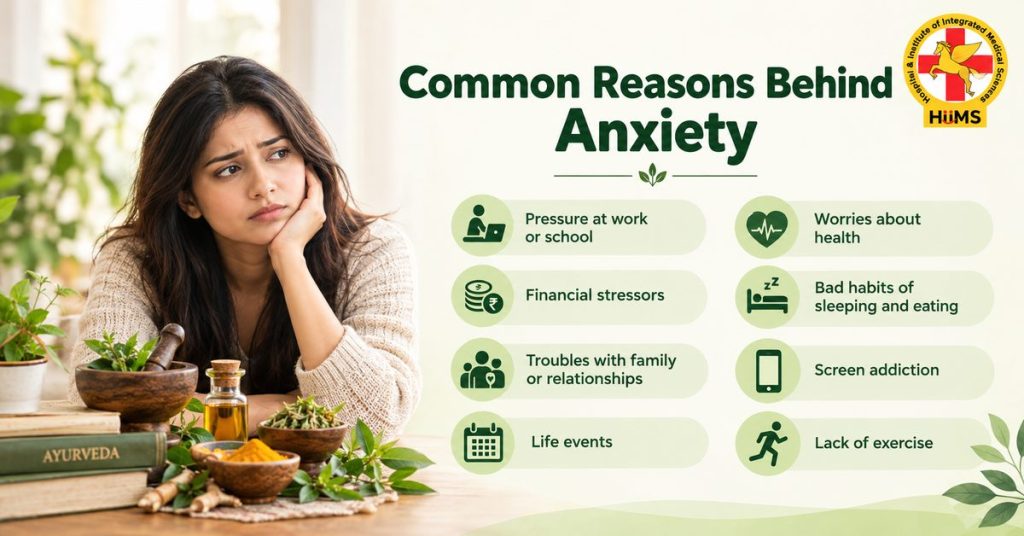
Anxiety trigger refers to something that triggers anxiety and fear. There are several triggers including:
- Pressure at work or school
- Financial stressors
- Troubles with family or relationships
- Life events
- Worries about health
- Bad habits of sleeping and eating
- Screen addiction
- Lack of exercise
Sleeping poorly could be one more stress factor. Consequently, pay attention to your sleep, coffee consumption, screen time, and stress. In a couple of days, you could notice a connection.
Healthy Sleep Habits
You don’t have to do something big to improve your sleep. Small habits and daily routines can help.
1. Sleep at the Same Time
Try to sleep and wake up at about the same time each day. This gives your body a regular routine. Read WHO guidance.
2. Use Your Phone Less at Night
Phones can keep your mind busy. Therefore, try to stop using your phone before bed and keep it away from your bed.
3. Establish a Quiet Bedtime Routine
Take some time out to relax before going to bed. Either read some books or listen to some soothing music.
4. Limit Intake of Caffeine
Consuming the caffeine can have adverse effects on your ability to go to sleep, especially if you take it close to your bedtime. As such, avoid taking too much tea or coffee in the evening.
5. Make Your Bedroom Comfortable
Your bedroom should be quiet and dark when you go to sleep.
Simple Ways to Manage Stress
It is quite natural to be stressed out at times. But if you get too much stressed, it may disturb your sleep and daily routine.
You could try:
- Breathing slowly
- Doing gentle yoga exercises
- Walking
- Meditation
- Avoiding mobile phones
- Confiding in trusted people
- Journaling your fears
- Having a fixed schedule of meals and sleep
Physical exercises are also helpful to lead a healthy life. According to WHO, healthy practices, adequate sleep, exercise, and social support can help cope with stress. Read WHO stress guidance.
Start with one small habit instead of changing everything at once.
When Should You Ask for Help?
Everyone gets anxious at times. Nevertheless, persistent issues need to be addressed.
You may want to consult a specialist if:
- Anxiety persists for several weeks.
- Sleep disorders interfere with your routine.
- You cannot manage your fears.
- You cannot concentrate on everyday activities.
- You quit doing the things that used to make you happy.
- Physical symptoms occur frequently.
- Your sleep continues to deteriorate.
Sleep issues are caused by various factors, including health issues, medication, working conditions, and daily habits. As a result, a professional can help determine what may be affecting your sleep. You can also consult an expert doctor at Jeena Sikho HiiMS for personalised guidance and suitable care options.

It is necessary to get the appropriate mental health care when anxiety gets severe or interferes with your life. According to WHO, anxiety disorders impact the ability to do everyday activities. Read WHO information on anxiety disorders.
Ayurvedic and Integrative Approach
Ayurveda views health with respect to practices that include diet and lifestyle as well as overall wellbeing. In case of individuals seeking anxiety therapy in Ambala, Jeena Sikho HiiMS uses an approach based on Ayurveda and integrative medicine according to one’s specific needs.
Factors such as sleep, dietary practices, and lifestyle, as well as stress levels, might be mentioned during a consultation. Possible wellness advice might include:
- Aahar: Advice regarding the proper diet and mealtime habits.
- Vihar: Assistance with the lifestyle practices, yoga, meditation and pranayama techniques.
- Ayurvedic therapy: According to individual needs, possible therapies might be Shirodhara, Abhyanga, Swedana, Shiro Pichu and Nasya among others.
- Herbs: Usage of herbs such as Ashwagandha, Brahmi, Shankhpushpi and Jatamansi might be considered.
As both anxiety and sleep patterns are rather individual, the approach is tailored.
Conclusion
Anxiety and poor sleep can affect each other. Anxiety may make sleep difficult, while poor sleep can make daily stress harder to manage. As such, practice basic practices like sleeping at fixed hours, using less mobile phones at night, and light relaxation.
Moreover, be aware of your anxiety triggers and the daily routine. In case your symptoms do not improve, professional assistance can be of great value. If you require anxiety treatment in Ambala, you may schedule a Free appointment with the Jeena Sikho HiiMS.

FAQs
1. Can anxiety lead to lack of sleep?
Anxiety prevents one from relaxing. Hence, it takes more time to fall asleep. Additionally, it results in sleeping mid-night.
2. Can lack of sleep increase anxiety?
Lack of sleep leads to fatigue. Besides, it makes handling daily stresses harder.
3. What are the sleep hygiene tips in case of anxiety?
Work on proper sleep and waking-up schedules. Also minimise use of phones before going to bed. Caffeine intake should also be limited.
4. Can yoga and breathing be helpful with stress?
Yes, these exercises can be part of a healthy routine in order to reduce stress.
5. When should I consult a doctor?
One should see a doctor when anxiety and lack of sleep continue. In addition, one should see a doctor if these conditions are affecting his/her study and working life.