

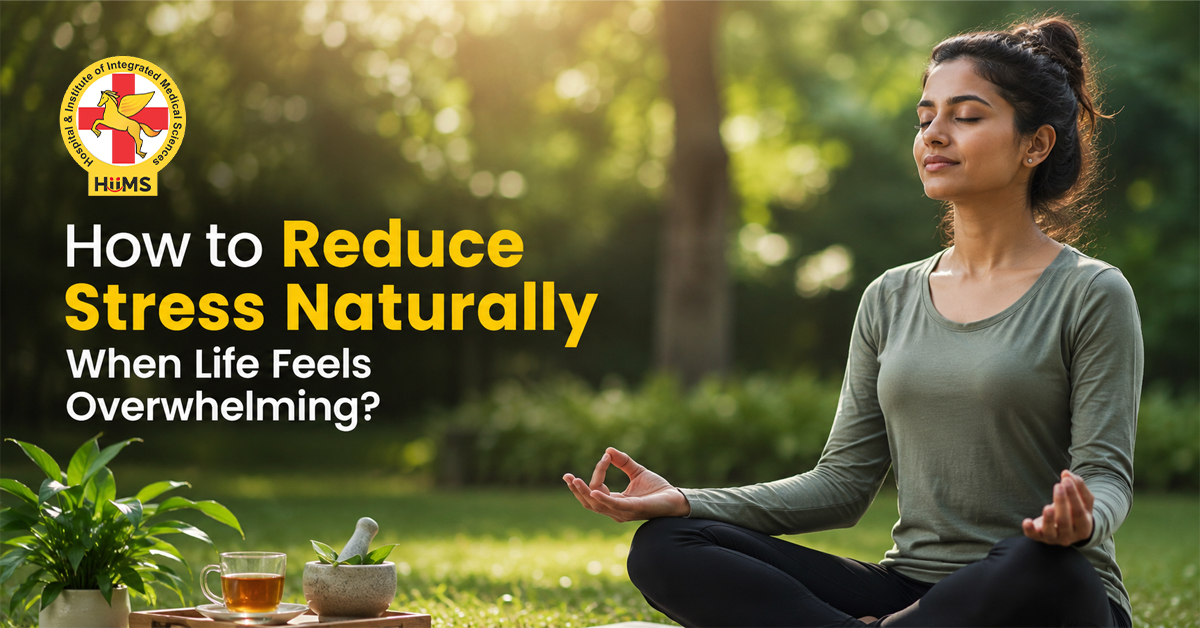
There are days when everything just feels too much. Not one big problem, but many small things piling up work, thoughts, expectations, and overthinking. And before you realise it, your mind is constantly running, even when nothing urgent is happening.
Most people don’t try to know what causes anxiety; they try to push through it. They distract themselves, stay busy, or just wait for it to pass. But stress doesn’t really work like that. If it builds up quietly, it usually shows up later, sometimes as anxiety, low energy, or even physical discomfort.
If you’ve ever wondered how to reduce stress naturally or how to control anxiety without depending only on quick fixes, the answer usually lies in small, consistent habits rather than big changes.
What Causes Anxiety?
Stress and anxiety don’t always come from one clear reason. It can be any combination of:
- excessive thinking or anxiety about the future.
- inconsistent lifestyle or lack of sleep.
- excessive use of the electronic media.
- unresolved emotional stress.
Over time, these patterns affect how your body responds, and that’s when anxiety attack symptoms like restlessness, racing thoughts, or uneasiness may start showing up.
Simple Ways to Calm Your Mind Naturally
When it comes to how to reduce stress naturally, you don’t always need something complicated. Sometimes, the simplest things for anxiety treatment work better if done regularly.
1. Slow Down Your Breathing
When your mind feels rushed, your breathing usually does too.
Try this: take a deep inhale through your nose, then exhale slowly through your mouth. Do it a few times. It sounds basic, but it signals your body to slow down.
2. Bring Your Attention Back
When thoughts start looping, grounding helps. Look at three things that you can physically touch or hear within your direct field of vision. This gets you to have thoughts get outside and focus on the present.
3. Spend Time in Open Space
Even 10–15 minutes in fresh air can shift how you feel. Not scrolling, not talking, just being there quietly. Nature has a way of calming the mind without effort.
4. Fix Your Daily Rhythm
If you just work through the day with irregular, chaotic habits, this is silently causing your system to feel stressed. Regular mealtimes and regular times of sleep and non-sleep help the whole system to relax and regulate.
5. Pay Attention to What You Eat
Food also affects how you feel mentally. Very cold, processed, or irregular meals can sometimes make restlessness worse. Warm, simple, freshly cooked meals are easier on the system and may help you feel more balanced.
A Different Way to Look at Stress
Instead of just trying to stop stress, it sometimes helps to understand why your body is reacting this way.
At centres like Jeena Sikho HiiMS, emphasis is placed on supporting the body with diet, routine, lifestyle modifications and natural ways and remedies and not on suppression of symptoms. We believe that gentle ways like counselling therapies, adjusting the daily routine and introducing some small changes are what would heal you as a body as a whole.
Conclusion
Stress is not always something you can remove completely. But you can change how your body responds to it. Small things like breathing, routine, food, and rest may not feel like much in the moment, but over time, they start creating a kind of stability that actually makes a difference.
And that is usually what helps more than quick fixes, something you can continue every day. If at any point it starts feeling difficult to know how to reduce stress naturally on your own, speaking to someone who understands your situation can help bring clarity. You can connect to avail of the VOPD consultation service through +91-87920-87920 or mail your queries to care@jeenasikho.com.

FAQs
- Some ways of managing stress naturally in your house?
These include deep breathing, adequate sleep and routine management. - What are some symptoms of an anxiety attack?
These include racing thoughts, restlessness, being uneasy and difficulty concentrating. - Factors responsible for anxiety in our daily activities?
The factors that could be responsible for anxiety are overthinking, lack of routine management, stress, and lack of adequate sleep. - Can changes in lifestyle be helpful in treating anxiety?
Changes in your diet and sleep can help you have mental peace. - When should I visit a specialist for stress?
When it affects my everyday routine, sleep, and mental health, then I should seek guidance.