

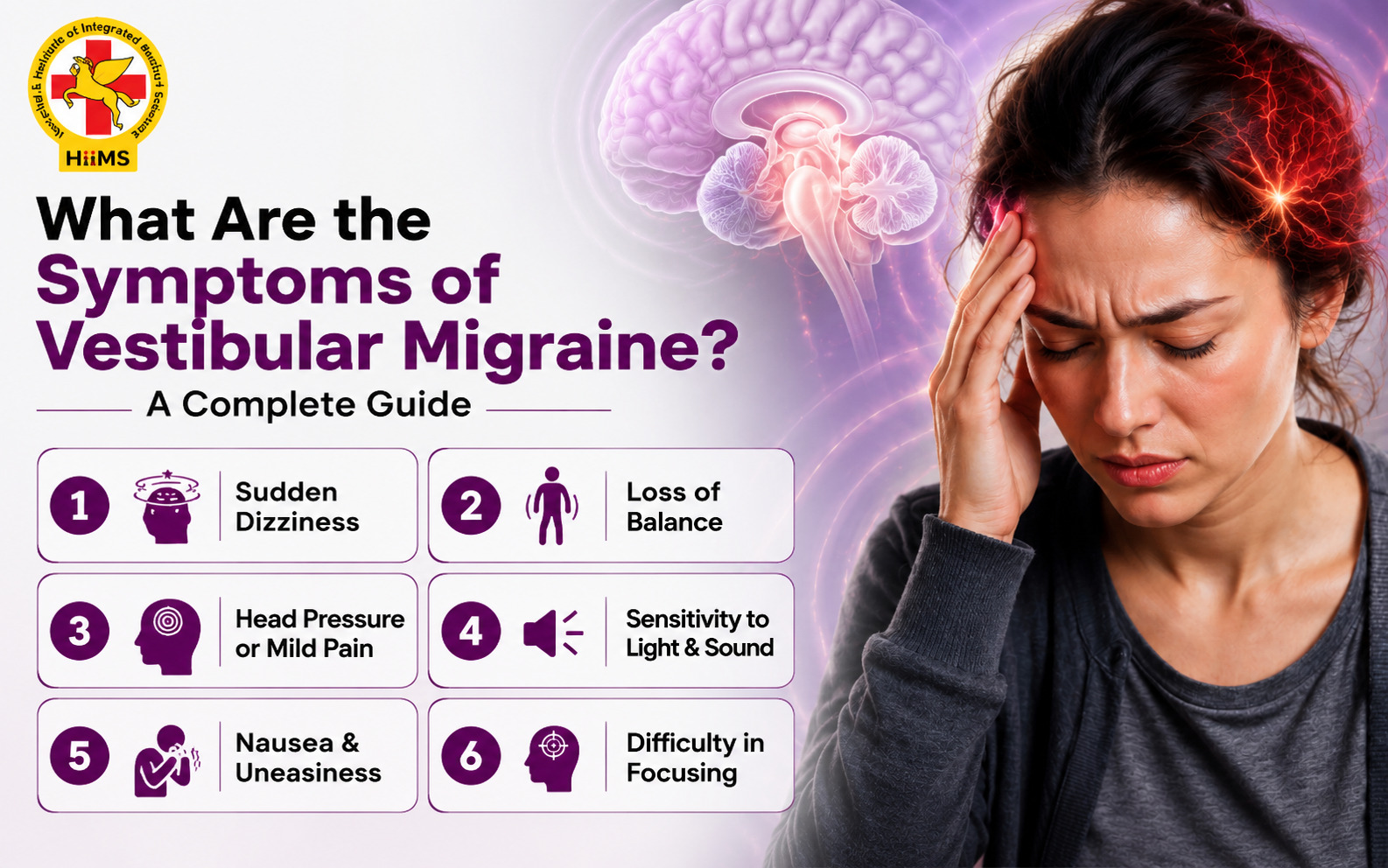
Vestibular migraine is not like a normal headache. Many people feel confused when they first experience it, because the signs are little different and sometimes strange. It mainly affects balance, movement, and the way your head feels. You may not always get pain, but still feel uneasy. That is why understanding vestibular migraine symptoms becomes important.
Some people think it is just dizziness, while others ignore it, thinking it will go away on its own. If these episodes happen again and again, daily life does not stay normal. Even walking, standing, or focusing can become difficult at times.
In this guide, we will talk in a very simple way about the symptoms of vestibular migraine, what you may feel, and how to understand them better. We will also touch on natural ways that may help manage this condition and support migraine relief in a gentle way, without making things complicated.
What Is Vestibular Migraine?
Vestibular migraine is when the connection between the brain and inner ear becomes disturbed. It affects balance and causes dizziness. Sometimes it comes with a headache, sometimes without it.
It is linked to regular migraine, but it behaves a bit differently. Many people with migraine headache symptoms may later experience this type, too.
Common Vestibular Migraine Symptoms
Now, let’s understand the main vestibular migraine symptoms. These are not always the same for everyone, but some signs are very common.
1. Sudden Dizziness
There may be a strange spinning sensation. Sitting quietly also does not feel fully stable.
2. Loss of Balance
Walking straight can become hard. Some people feel like they may fall anytime. This is one of the most disturbing vestibular migraine symptoms.
3. Head Pressure or Mild Pain
Not always a sharp headache. Sometimes it feels like a weight inside the head, a kind of dull pressure that stays for long.
4. Sensitivity to Light and Sound
Even normal light or sound may feel too much. You may want to sit somewhere quiet with low light.
5. Nausea and Uneasiness
There can be a sick feeling in the stomach. At times, it leads to vomiting or slight dizziness.
6. Difficulty in Focusing
Simple things like reading or looking at a screen may feel tiring. Focus does not stay for long.
Why Do These Symptoms Happen?
The exact cause is not always clear. But it is believed that the brain signals get disturbed. This affects both balance and head functions.
Stress, poor sleep, wrong eating habits, and too much screen time can trigger these problems. Sometimes, even certain foods can cause it.
These triggers are also seen in migraine symptoms, which shows that both conditions are connected in some way.
When Should You Take It Seriously?
If these symptoms happen again and again, or last for a long time, it should not be ignored.
If dizziness is stopping you from doing your daily work, or if you feel unsafe while walking, then it is better to consult a migraine doctor.
Also, if you feel confused between a normal headache and this condition, proper guidance becomes important.
Ayurvedic Approach to Migraine Therapy
Ayurveda looks at the root cause, not just symptoms. It focuses on balancing the body and mind together.
In many cases, Panchkarma is used to clean the system and improve balance inside the body. It works gradually, not instantly.
Along with that, some natural herbs and small routine changes are also suggested. These methods are usually gentle and aim to support the long-term wellness.
Some people also explore migraine therapy through Ayurvedic methods instead of depending only on medicine.
Simple Home Care for Vestibular Migraine
Some people try easy home remedies for migraines in daily life:
- Warm herbal water is taken
- Rest is given to the body during episodes
- Noise and bright light are avoided
- Meals are kept simple and on time
These may look basic, but they can support in handling migraine symptoms.
When You May Need Proper Treatment
Sometimes, symptoms become too frequent or intense. In such situations, proper care becomes important.
A good migraine headache treatment plan can help in understanding triggers and managing them better.
If required, visiting a migraine hospital can give you a proper diagnosis and support.
Conclusion
Vestibular migraine symptoms may look confusing at first, but understanding it makes things easier. The symptoms are not always painful, but they can disturb daily life a lot. Ignoring them is not a good idea, especially if they keep coming back.
A balanced routine, simple food, and the stress control can really help. Natural ways like Ayurveda focus on the long-term care rather than the quick relief, instead of depending only on the migraine medicine. Hospitals like Jeena Sikho HiiMS are also working in this direction, where they guide people with a more natural and root-based approach.
If needed, you can also take proper guidance. If you are facing these issues, you can consider a VOPD consultation for a better understanding.

Frequently Asked Questions
1. What is vestibular migraine?
It is a type of migraine that mainly affects balance and causes dizziness.
2. What triggers vestibular migraine?
It can be triggered by the stress, lack of proper sleep, and the certain foods.
3. When should I see a migraine doctor?
If symptoms are frequent or affecting daily routine.
4. What is the role of Ayurveda in this condition?
Ayurveda focuses on balancing the body and routine.
5. What is the migraine therapy?
It includes different approaches to manage the symptoms and triggers.