
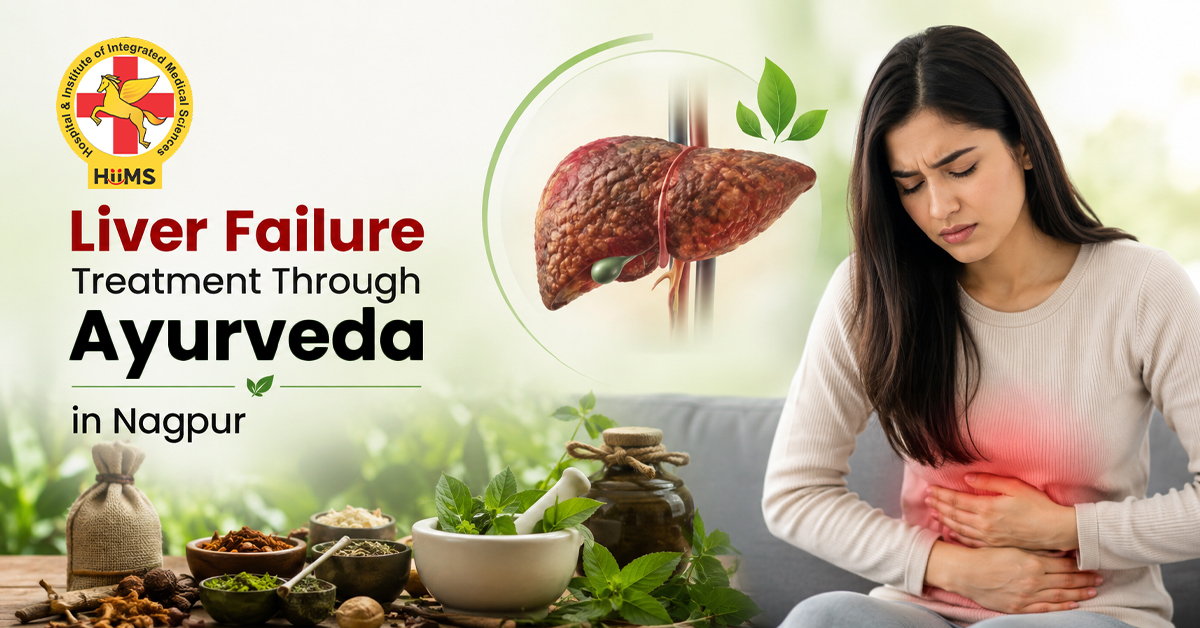

The liver works quietly in the body, handling digestion, filtering waste, and helping maintain internal balance. Most people do not notice its importance until signs such as low energy, poor digestion, or a heavy feeling after meals begin to appear. These signs may seem simple, but they can sometimes indicate underlying health concerns. That is why awareness is important, especially for people looking for supportive and natural approaches to liver health.
Ayurvedic treatment for liver failure in Nagpur at Jeena Sikho HiiMS focuses not only on the condition but also on daily habits that may contribute to health concerns. Late meals, oily food, stress, and an irregular routine can affect overall well-being. Rather than relying on quick fixes, the approach focuses on practical lifestyle changes that may support the body’s natural processes.
Many people today are exploring Ayurvedic treatment for liver disease because Ayurveda connects food, routine, and overall balance through a holistic approach.
Understanding Liver Failure in Simple Words
Liver failure can develop gradually in some cases, while in others it may occur more suddenly and requires urgent medical attention. Chronic liver problems may begin with conditions such as fat accumulation or long-term damage that affects the liver’s normal functioning.
Some symptoms associated with liver problems may include:
- Feeling tired without a clear reason
- Loss of appetite
- Heaviness after eating
- Discomfort in the abdomen
People experiencing persistent symptoms should seek appropriate medical evaluation. Those looking for liver care and Ayurvedic support in Nagpur may also benefit from understanding the factors affecting their overall health.
How Ayurveda Looks at Liver Health
According to Ayurvedic principles, the liver is associated with Pitta dosha, which is linked with metabolic processes and digestion. Ayurveda aims to maintain balance in the body’s natural functions through diet, lifestyle, and individualized care.
When digestion is disturbed, Ayurvedic practitioners may describe this as an imbalance involving Ama and other factors. Ayurvedic care may therefore focus on supporting digestion, encouraging balanced routines, and promoting overall well-being.
Instead of viewing the liver as an isolated concern, Ayurveda connects liver health with broader lifestyle patterns.
Ayurvedic Treatment for Liver Failure in Nagpur at Jeena Sikho HiiMS: A Natural Care Approach
The approach to Ayurvedic treatment for liver failure in Nagpur at Jeena Sikho HiiMS may involve a structured and individualized process. The aim is to consider the person’s overall condition, lifestyle, dietary habits, and health requirements.
1. Preparing the Body
The initial phase may focus on establishing healthier routines. Simple meals, dietary guidance, and an organized daily schedule may be recommended according to individual needs.
This stage can help create a foundation for a broader wellness plan.
2. Ayurvedic Detoxification Approaches
After an individual’s condition has been properly assessed, certain traditional Ayurvedic procedures may be considered under qualified supervision.
Panchakarma is a group of classical Ayurvedic therapies that may be recommended in selected cases. These procedures should only be undertaken after professional assessment and under appropriate medical supervision.
Panchakarma traditionally includes five primary procedures:
- Vamana: A therapeutic procedure involving controlled emesis in selected cases.
- Virechana: A traditional cleansing procedure.
- Basti: A therapy involving medicated enemas.
- Nasya: A nasal therapy used for specific Ayurvedic indications.
- Raktamokshana: A traditional procedure involving bloodletting in specific situations.
The suitability of any procedure depends on an individual’s health condition and should never be considered a substitute for emergency or specialist medical treatment.
3. Supporting Overall Strength and Well-Being
Following any appropriate therapeutic plan, the focus may shift toward nutrition, rest, and sustainable lifestyle habits. Balanced meals, adequate sleep, and regular routines can contribute to overall health and well-being.
This gradual and personalized approach is one reason why some individuals explore natural approaches to liver health in Nagpur alongside appropriate medical care.
Herbs Commonly Used in Ayurvedic Liver Care
Ayurveda includes various herbs that have traditionally been used to support digestion and overall wellness. Their use should be determined by a qualified practitioner based on the individual’s condition.
Some commonly known herbs include:
- Bhumi Amla
- Kutki
- Punarnava
- Giloy
- Turmeric
These herbs should not be used as a self-treatment for liver failure or serious liver disease. A qualified healthcare professional should be consulted before starting any herbal preparation, particularly when an individual has an existing liver condition or takes prescription medicines.
Food and Routine That May Support Liver Health
Food and daily routines can play an important role in maintaining overall health. A balanced diet and regular eating patterns may support general well-being.
Some healthy habits may include:
- Eating fresh, balanced, home-cooked meals
- Including a variety of vegetables in the diet
- Drinking adequate fluids
- Maintaining regular meal timings
- Avoiding excessively heavy or highly processed foods
- Avoiding unnecessary late-night meals
Daily habits also matter. Regular physical activity, sufficient sleep, and stress management can contribute to a healthier lifestyle.
These lifestyle principles may be included as part of a holistic wellness approach for people seeking Ayurvedic treatment for liver health in Nagpur.
Why a Gradual and Balanced Approach Matters
Lifestyle changes often work best when they are sustainable and suited to an individual’s needs. Sudden or extreme dietary changes may not be appropriate for everyone.
A balanced approach can focus on:
- Consistent healthy habits
- Appropriate nutrition
- Adequate rest
- Regular physical activity
- Professional medical guidance when required
People exploring Ayurvedic treatment for liver failure in Nagpur should remember that liver failure is a serious medical condition that requires proper diagnosis and specialist care. Ayurvedic lifestyle practices may be considered as supportive approaches only under qualified professional guidance.
Conclusion
The liver plays an essential role in the body’s overall functioning, and maintaining healthy lifestyle habits can support long-term well-being. Paying attention to diet, routine, physical activity, and timely medical consultation can make a meaningful difference.
For individuals seeking Ayurvedic treatment for liver failure in Nagpur, Jeena Sikho HiiMS offers an approach that focuses on lifestyle, dietary habits, and holistic wellness principles.
However, liver failure and other serious liver conditions require professional medical diagnosis and appropriate treatment. Any Ayurvedic therapy or lifestyle program should be discussed with qualified healthcare professionals, especially in the presence of serious or ongoing liver disease.

With appropriate medical guidance, patience, and sustainable lifestyle changes, individuals can work toward improving their overall health and well-being.
FAQs
Q1: What are the early signs of liver problems?
Some people may experience fatigue, loss of appetite, abdominal discomfort, nausea, or digestive changes. Serious liver conditions can also cause symptoms such as jaundice, swelling, or confusion. Persistent or concerning symptoms should be evaluated by a medical professional.
Q2: Can liver failure develop gradually?
Yes, chronic liver disease can progress gradually over time. However, acute liver failure can also develop rapidly and requires immediate medical attention.
Q3: How does Ayurveda approach liver health?
Ayurveda takes a holistic approach that considers diet, digestion, lifestyle, and overall balance. Individual recommendations should be provided by qualified practitioners.
Q4: Can food habits affect liver health?
Yes. Diet, alcohol consumption, body weight, physical activity, and certain medications can affect liver health. A healthcare professional can provide guidance based on individual needs.
Q5: Is Ayurvedic care safe for long-term liver support?
The safety and suitability of Ayurvedic therapies depend on the individual, the specific treatment, and their existing health conditions. People with liver disease should consult qualified healthcare professionals before using herbal products or undergoing Ayurvedic procedures.

Leave a comment