

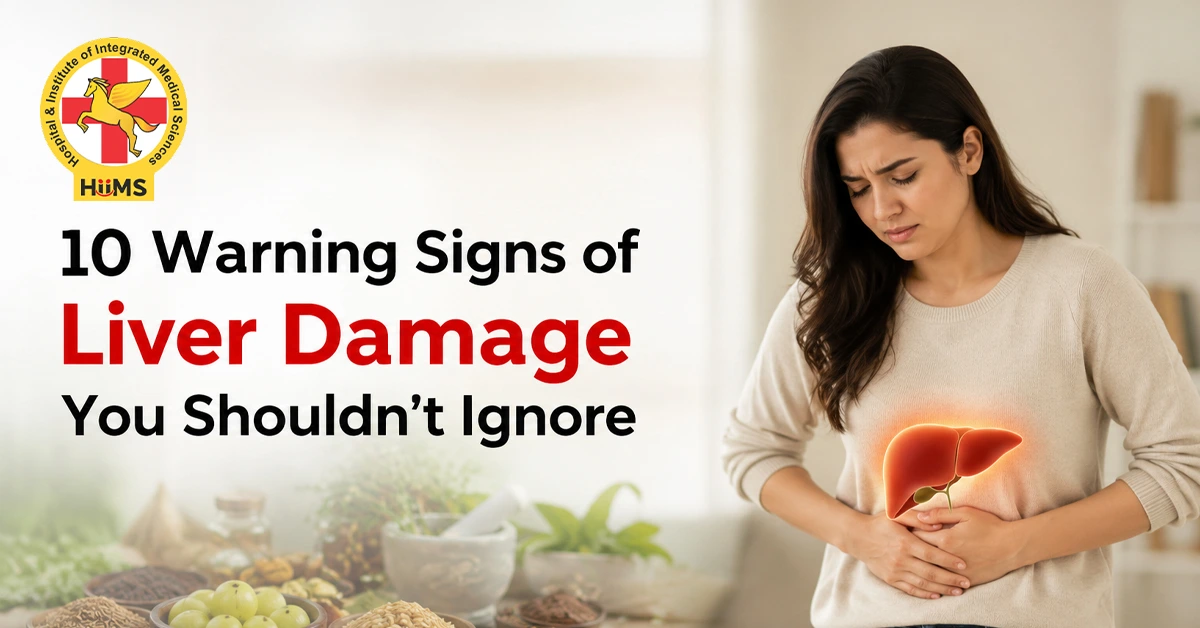
Our liver is one of the hardest-working organs in our body. It works quietly every single day to clean our blood, break down food, store energy and filter out waste.
Because it performs so many jobs keeping your liver healthy is essential for your overall well-being.
However the liver is a very resilient organ that does not complain easily. Even when it is under heavy strain, you might not feel severe pain right away. This is why liver issues often stay hidden for a long time.
Learning to recognise the early signs of liver damage gives you a chance to take control of your health before major problems develop.
In this blog we will look at the main signs of liver damage and how you can support your body naturally.
What Does Your Liver Do?
Your liver is like a large chemical factory inside your body. Its main job is to filter your blood. Every drop of blood that leaves your stomach and intestines goes through the liver first.
The liver cleans out harmful toxins, processes nutrients from your food and turns them into energy your body can actually use. It also makes proteins that help your blood clot when you get a cut.
Doctors often call liver damage a “silent killer.” This is because the liver does not have any symptom-reporting nerve endings inside it.
It cannot feel pain the way your skin does when you get a scratch. Because of this, the liver can become deeply scarred and damaged for years without causing any pain or obvious problems.
By the time someone actually starts feeling sick, the damage has often been building up for a very long time. That is why learning the early signs your body sends is so important.
10 Warning Signs of Liver Damage
Your body sends clear warnings when your liver needs help. Here are 10 common signs of liver damage you should watch for
1. Yellow Eyes and Skin (Jaundice)
Yellowing of eyes and skin happens due to a substance called bilirubin. A healthy liver removes bilirubin from your blood and discards it. A damaged liver fails to do this causing the yellow substance to build up in your body.
2. Pain or Swelling in Your Belly
You may feel a dull ache or tightness on the upper right side of your stomach. In more advanced stages, liver damage causes your entire abdomen to swell with fluid. This is not normal bloating from food.

3. Constant and Deep Fatigue
You may feel completely exhausted even after a full night of uninterrupted sleep. When the liver faces damage, it cannot break down food and convert it into daily energy.
Your body runs out of energy quickly, leaving you feeling weak and heavy throughout the day.
4. Dark Urine
Changes in urine colour happen when bile does not flow properly your urine may look dark brown or tea-coloured even after drinking plenty of water.
5. Pale or Clay-Colored Stool
If your liver stops making enough bile, or if the path to your intestines becomes blocked, your stool will lose its normal colour.
It can look pale yellow, light grey or like white clay. If this happens repeatedly, it indicates a problem with your liver’s drainage system.
6. Swollen Legs and Ankles
A damaged liver fails to produce blood proteins which causes fluid to build up in your lower limbs. This fluid retention makes your legs, ankles and feet swell.
7. Frequent Nausea
The liver plays a key role in how your body digest food and processes vitamins. When it does not work correctly you may feel an ongoing sickness in your stomach.
You might experience the urge to throw up, particularly after eating meals that contain fat or oil.
8. Easy Bruising and Bleeding
An unhealthy liver produces fewer proteins needed for blood clotting. As a result you may notice unexplained bruises or small cuts that take longer to stop bleeding.
9. Intensely Itchy Skin
Liver-related itching feels deep and persistent and it usually affects your entire body without showing any visible rash. This irritation happens because bile salt builds up under your skin when the liver cannot process them.
10. Mental Confusion and Forgetfulness
A major job of the liver is to filter toxins out of your bloodstream. If the liver fails, these waste products remain in your blood and eventually reach your brain.
This can lead to a condition that causes confusion, mild forgetfulness or unusual sleepiness.
What Causes These Liver Problems?
Liver stress usually develops over a long period due to daily habits and environmental factors. Understanding these causes helps you avoid future signs of liver problems.
- Unhealthy Diet – Eating too much processed food, refined sugar, trans fats and deeply fried snacks causes excess fat to accumulate in liver cells
- Alcohol and Medicine Overuse – Regular heavy alcohol consumption and the long-term overuse of unnecessary medication or pain relievers put a heavy burden on the liver
- Environmental Toxins – Long term exposure to chemicals, pollution or viral infections like Hepatitis can cause chronic liver inflammation
- Sedentary Lifestyle – A lack of physical activity slow down your metabolism making it harder for your body to process fats efficiently
How to Protect Your Liver Naturally
Protecting your liver starts with simple habit. Here is how you can support your body and reduce the signs of liver damage
- Eat Whole Foods – Fill your plate with fresh green vegetable, seasonal fruits, whole grains and healthy plant fats. Food rich in natural fibre helps flush out waste through regular digestion.
- Foods to avoid – Avoid processed food, packaged sugars, deep-fried snacks and alcohol to give your liver cells time to rest and rebuild.
- Stay Well Hydrated – Drinking warm water throughout the day keeps your circulation active and help your liver and kidneys clear out metabolic waste.
- Keep Moving Every Day – Walk for at least 30-minutes every day. Light exercise improve blood circulation, supports healthy weight management and help burn fat stored in the liver.
Book a free consultation on diet plan for liver health.
When to See a Doctor
While healthy habits support long-term wellness, certain signals mean you should seek medical guidance immediately.
Consult a healthcare professional if you notice persistent yellowing of your skin or eyes, severe pain or heavy swelling in your abdomen.
Never ignore these warning signs, early evaluation identifies the exact root cause, prevent serious complications, and ensures you receive the right care to protect your health.

Conclusion
Your body is always communicating with you and paying attention early is the best way to protect your long term vitality.
Recognising the signs of liver damage in their initial stages gives you the opportunity to make positive lifestyle shifts before permanent harm occurs.
Eat fresh whole foods, stay physically active, drink enough water, and never hesitate to consult a medical expert whenever persistent symptoms arise.
FAQs
Q1. What are the first signs of liver problems?
Persistent fatigue, mild nausea, loss of appetite and light swelling in your feet or lower abdomen are often among the earliest noticeable signs.
Q2. Can liver damage be reversed if caught early?
Yes. Because the liver has a natural ability to regenerate, eating clean whole foods, exercising daily and avoiding alcohol can help restore liver health.
Q3. Why does liver weakness cause itchy skin?
When the liver struggle to process bile properly, bile salts accumulate beneath the skin and triggers persistent itching without a visible rash.
Q4. What foods are best for keeping your liver healthy?
Fresh leafy greens, seasonal fruits, garlic, oats, walnuts, and plenty of warm water are great for supporting your liver and removing daily toxins naturally.
Q5. When should I seek medical help for suspected liver issues?
Seek professional medical care immediately if you notice yellowing of your skin or eyes, severe stomach pain, dark-colored urine, or extreme fatigue.