

When most people hear about cholesterol, they immediately think of heart disease, blocked arteries and medical warnings. However cholesterol itself is not harmful it is an essential biological building block that your body needs to function every single day. The true danger arises when the delicate balance of lipids in your blood gets disrupted.
Good health requires keeping cholesterol in balance, high cholesterol levels can harm your heart, while low cholesterol levels can damage your nerves and hormones. Rather than viewing fat as the enemy, the goal should always be understanding how your liver processes fats and how to keep your circulatory channels clean. In this blog we will understand what is cholesterol, its primary types, underlying causes, and how to manage it naturally.
What Is Cholesterol?
Cholesterol is a soft, waxy, fat-like substance produced naturally by your liver and found in certain foods. Far from being harmful by default cholesterol is vital for your survival. Your body uses it to construct protective outer cell membranes, insulate nerve fibres, synthesise vitamin D from sunlight, and produce digestive bile acids.
Additionally, cholesterol serves as the primary raw material for manufacturing essential hormones, including estrogen, progesterone, testosterone, and cortisol. Without adequate cholesterol, your cellular repair systems would stop.
Your liver produces most of the cholesterol your body needs, while some cholesterol also comes from the foods you eat. Problems only develop when poor digestion, liver sluggishness or unhealthy diets cause excess lipids to accumulate in the bloodstream instead of being processed properly.
Understanding Cholesterol Types
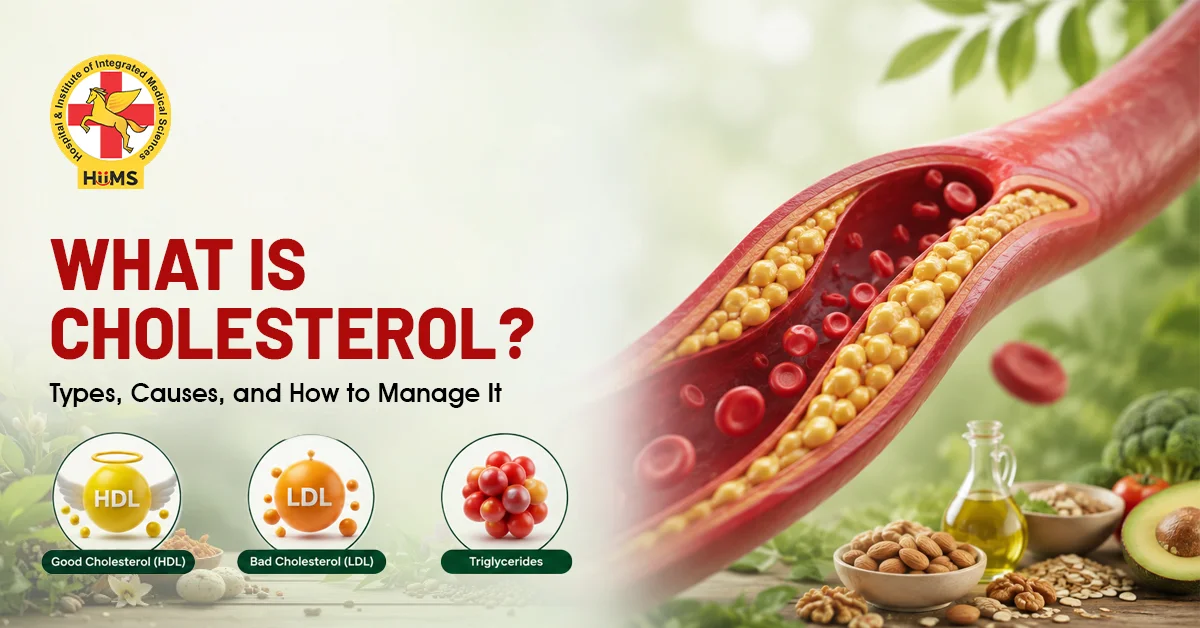
Because cholesterol is a fat based substance, it cannot dissolve in water-based blood. To travel through your circulatory system it must be wrapped inside protein packages called lipoproteins. Understanding the different cholesterol types helps clarify why some forms protect your heart while others create health risks.
- LDL (Low Density Lipoprotein) – This is known as “bad” cholesterol. It carries cholesterol from the liver to tissues and arteries. Keeping LDL levels low can help prevent arterial plaque build-up and heart risks.
- HDL (High Density Lipoprotein) – This is known as “good” cholesterol as it picks up extra cholesterol from the arteries and returns it to the liver for filtering. More HDL means more natural vascular cleansing
- VLDL (Very Low Density Lipoprotein) – It mainly carries triglycerides from the liver to tissues throughout the body.
- Triglycerides – It circulates blood fats and stores unused calories from food to provide future cellular energy.
Understanding Cholesterol Causes and Risk Factors
Unhealthy cholesterol levels rarely occur overnight. They are usually the result of long-term daily habits combined with metabolic slowing.
From a modern lifestyle perspective, primary cholesterol causes include consuming hydrogenated trans fats, excessive refined cooking oils, packaged foods, and refined sugars. Lack of exercise slows down fat-burning in your blood, while ongoing stress causes your liver to release extra sugar and fats into your bloodstream.
From an Ayurvedic and holistic perspective, lipid imbalances are tied directly to Mandagni (a sluggish digestive fire). When your digestive capacity slows, the food you eat is not fully metabolised. This leads to the formation of toxic metabolic byproducts. These toxins mix with blood lipids and accumulate inside Srotas (micro-circulatory channels) leading to arterial stiffness and compromised blood flow.
Are There Any Cholesterol Symptoms?
One of the most dangerous aspects of lipid imbalance is that elevated levels rarely produce early physical warning signs. You cannot feel plaque slowly accumulating inside your arteries, which is why health professionals refer to it as a silent condition.
Relying on visible cholesterol symptoms to take action is unsafe. By the time physical indicators appear blood vessels have already narrowed significantly. Advanced signs of heart strain caused by high cholesterol include:
- Chest tightness or fatigue during light physical activity.
- High blood pressure caused by stiff, narrowed blood vessels.
- Leg pain or numbness while walking.
- Yellowish fat bumps under the skin (especially around the eyes, elbows, or joints).
Because high cholesterol usually causes no noticeable symptoms, a lipid profile blood test is commonly used to check cholesterol and triglyceride levels.
Natural Cholesterol Treatment at Jeena Sikho HiiMS
Jeena Sikho HiiMS Gaya offers supportive therapies for cholesterol management. These natural therapies help repair the liver, improve digestion and keep blood vessels clear without relying only on medications.
-
pH-Balanced Diet
A balanced diet rich in vegetables, fruits, whole grains, legumes and other fibre-rich foods can support heart health. Soluble fibre from foods such as oats, beans, lentils and apples may help reduce LDL cholesterol.
-
Herbal Support
Traditionally Ayurvedic herbs are used to restore lipid metabolism naturally
- Arjun: Strengthens cardiac muscles and improves arterial elasticity.
- Guggulu: Powerful natural resin that stimulates lipid digestion and clears accumulated toxins from circulatory channels
- Garlic: Contains natural allicin which reduces lipid oxidation and keeps blood flowing smoothly.
These herbs are traditional supportive care for overall heart wellness. They are not meant to treat, cure or replace medical therapies. Any herbal supplement should be taken under the guidance of a qualified Ayurvedic practitioner or doctor.
-
Panchakarma Detox
It is an Ayurvedic therapy used to help detox the body internally. Panchakarma therapies like Virechana help clear metabolic waste from the digestive system, supporting natural liver function and healthy fat metabolism.
Together, these natural therapies work in harmony to lighten the burden on your liver and support healthy circulation. However, maintaining long term balance relies heavily on the choices you make every day at home.
If you have concerns about your cholesterol levels and need professional guidance, contact Jeena Sikho HiiMS Gaya to discuss your health concerns and available care options.

How to Manage Cholesterol Daily
Healthy daily habits are the foundation of good health. Effective cholesterol management is about giving your liver an environment to process fat while also protecting your body from low cholesterol levels.
- Increase Soluble Fibre – Eating oats, beans, lentils, apples and flaxseeds can help reduce LDL cholesterol by affecting how the body processes and removes bile acids
- Engage in Daily Movement – Daily brisk walking, swimming or yoga helps with healthier cholesterol levels
- Manage Stress & Prioritise Sleep – 7 to 8 hours of deep sleep helps reduce stress hormones, support digestive and heart health
- Eliminate Smoking and Excessive Alcohol: Smoking damages blood vessel walls, making it easier for LDL to stick while heavy alcohol disrupts liver metabolism
Conclusion
Understanding what is cholesterol allows us to see it not as an enemy but as an important compound that requires proper metabolic regulation. Managing your cholesterol levels effectively is essential for lasting health. Real lipid balance comes from pairing natural therapies alongside medical care. When you use a balanced approach to maintain healthy cholesterol you are providing your heart and circulatory system the support they need to remain strong and resilient.
If you’re looking for holistic guidance for any heart issue, you can visit nearby Jeena Sikho HiiMS. Or you can book a VOPD (video consultation) to get guidance from HiiMS experts from home.

FAQs
1. What is cholesterol and why does the human body need it?
Cholesterol is a soft, fat like substance produced naturally by your liver. The body requires it to build healthy cell membranes, produce vitamin D, digest fats via bile and manufacture hormones like testosterone and estrogen.
2. What are the main cholesterol types measured in a standard lipid test?
The main cholesterol types include Low-Density lipoprotein (bad cholesterol), High-Density lipoprotein (good cholesterol), Very Low-Density lipoprotein and Triglycerides.
3. What are the most common cholesterol causes that lead to unhealthy lipid levels?
Primary cholesterol causes include diets rich in refined oils and processed sugars, lack of physical exercise, chronic stress, smoking, sluggish digestion, and liver toxicity.
4. How does Jeena Sikho HiiMS offer natural cholesterol treatment when early cholesterol symptoms arise?
Jeena Sikho HiiMS provides natural cholesterol treatment before severe cholesterol symptoms develop by using a pH balanced alkaline diet, targeted herbs (like Arjun and Guggulu), Panchakarma liver detox, and zero-volt therapy.
5. How do daily habits support long term cholesterol management?
Daily habits like eating soluble fibre, walking 30 minutes daily, managing stress and sleeping 7 to 8 hours ensure effective cholesterol management, keeping lipid levels balanced.