
Nowadays, high cholesterol is becoming very common. Many people hear this word during a blood test and get worried, but they don’t really understand what it means. Some ignore it completely because there is no pain in the beginning. Others think it is only related to old age. The truth is, high cholesterol can affect anyone-young, middle-aged, or elderly.
Our lifestyle, food choices, stress, and daily routine have a big impact on cholesterol levels, and also these are the main causes of cholesterol. When cholesterol stays high for a long time, it slowly harms the heart and blood vessels. With time, this can turn into serious problems such as heart attack, stroke, and blocked arteries.
This blog is here to explain what high cholesterol is, the causes of high cholesterol, and how you can stay alert and take care. Being aware helps you take the right steps on time and look after your health naturally.
Table of Contents
What Is Cholesterol?
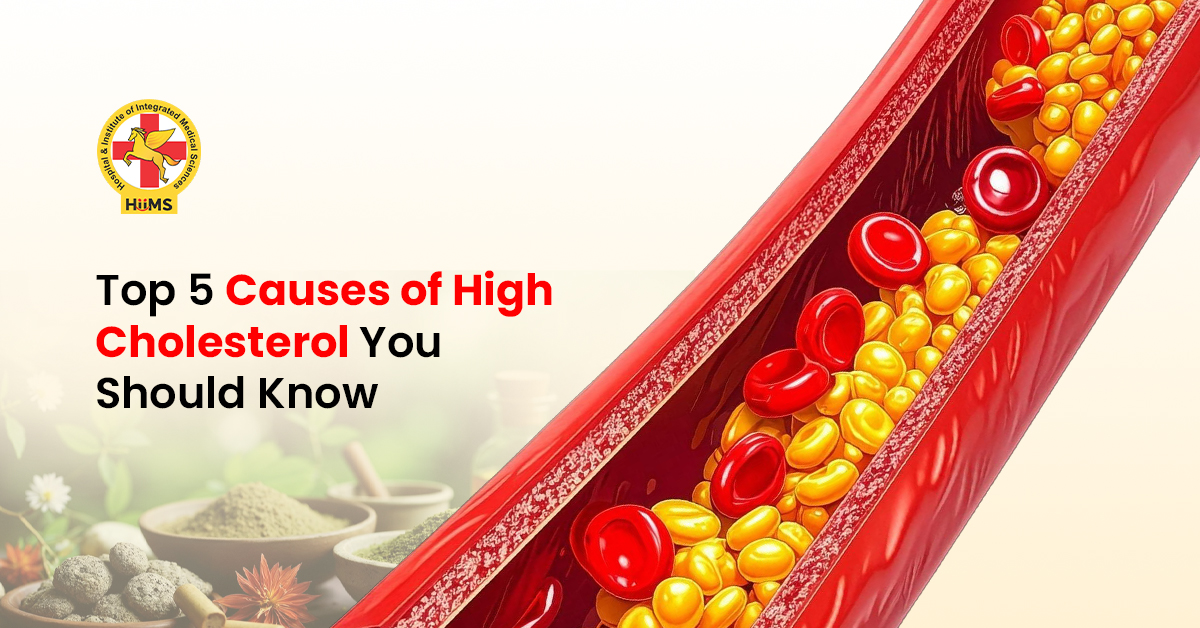
Cholesterol is a fat-like substance found in our blood. In small amounts, cholesterol supports hormone production, cell formation, and digestion. It is naturally produced by the liver and also obtained from food.
There are two primary types:
- HDL (good cholesterol) removes excess fat from the bloodstream.
- Bad cholesterol (LDL) slowly builds up in blood vessels and causes blockage.
When bad cholesterol increases and good cholesterol reduces, it becomes high cholesterol. In the beginning, it often shows no signs.
Many Cholesterol Causes Exist, But Let’s Focus on the Main Ones
There are many reasons behind high cholesterol, like food habits, genetics, stress, and lack of activity. In daily life, we often follow habits without realizing that they slowly increase cholesterol. Let us now look at the five main causes of high cholesterol in detail.
1. Unhealthy Diet and Junk Food

Eating unhealthy food regularly is one of the biggest high cholesterol causes. When you regularly eat:
- Fried food.
- Fast food.
- Bakery items.
- Packaged snacks.
- Butter, cheese, and creamy dishes.
Your body gets excess saturated fat and trans fat. These fats increase bad cholesterol in the blood. Many people also eat too much outside food and very few home-cooked meals. Over time, this damages digestion and metabolism, leading to cholesterol imbalance. If your plate is mostly oily, spicy, and processed food, your cholesterol level will surely suffer.
2. Lack of Physical Activity

Today’s lifestyle has made most people inactive. Sitting for long hours in different daily activities can slowly increase cholesterol levels:
- Office: Sitting at a desk for long hours without movement slows metabolism and increases fat buildup.
- Mobile: Using the phone too much reduces movement and disturbs sleep, which slowly affects cholesterol.
- TV: Watching TV for long hours makes us inactive and encourages unhealthy snacking, leading to weight gain.
- Laptop: Working on a laptop for many hours keeps the body in one position and slows blood flow and fat burning.
When you don’t move enough, your body cannot control bad cholesterol properly. At the same time, good cholesterol also reduces. Even simple activities like walking, stretching, or light yoga help in balancing cholesterol. But when people live a chair-to-bed life, cholesterol rises quietly.
3. Excess Weight and Obesity
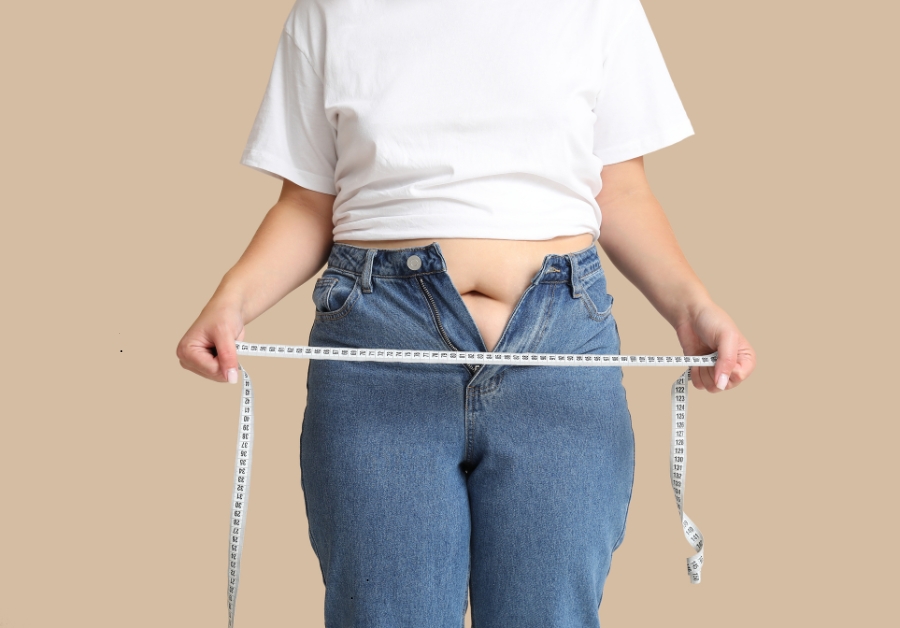
Being overweight is closely linked with high cholesterol.
When fat increases in the body, especially around the stomach, it affects liver function and fat metabolism. Because of this, bad cholesterol increases, good cholesterol decreases, and triglycerides increase.
Many people think only very obese people have this problem. But even slightly overweight people can have high cholesterol if their lifestyle is unhealthy. Weight gain may look small outside, but inside it puts pressure on the heart and blood vessels.
4. Smoking and Alcohol Consumption

Smoking and alcohol are silent enemies of heart health. Smoking reduces good cholesterol, damages blood vessels, and makes bad cholesterol stick to the artery walls, which increases the risk of blockage. Alcohol, when taken regularly, raises triglyceride levels, affects liver function, and disturbs the body’s fat balance. Even if you follow a healthy diet, regular smoking and drinking can cancel out your efforts and harm your overall health.
5. Stress, Poor Sleep, and Mental Pressure

Mental health directly affects physical health.
When you are under constant stress:
- The cortisol hormone increases.
- Digestion weakens.
- Metabolism slows down.
This results in poor fat processing and cholesterol imbalance. Poor sleep is another major factor. Sleeping less than 6 hours regularly disturbs hormones and increases fat storage. Modern life is full of pressure, work, family, finances, and responsibilities. When stress is not managed, cholesterol quietly increases.
How High Cholesterol Is Treated Naturally
At Jeena Sikho HiiMS, high cholesterol causes are treated through a natural and root-based approach. Instead of only focusing on reports, doctors try to understand the person’s lifestyle, digestion, mental stress, and body type.
Treatment usually includes:
- Personalized herbal medicines.
- Diet correction.
- Detox therapies.
- Panchakarma procedures.
- Simple yoga and breathing practices.
- Practical guidance for managing stress.
The focus is on improving liver function, digestion, and metabolism so that the body can regulate cholesterol on its own. Patients are also guided on daily routines and food habits so that results stay long-term. This holistic method helps not only in controlling the cholesterol but also contributes to improving the overall energy, sleep, and immunity.
Lifestyle Improvements: The First Step to Control Cholesterol
Healthy habits are the foundation of controlling high cholesterol. Small improvements in food choices, physical activity, and daily routine can slowly lower bad cholesterol.
- Try to eat more fruits, vegetables, whole grains, and lean proteins, and cut down on junk and packaged food.
- Staying active for at least 30 minutes daily helps improve good cholesterol.
- Keeping your weight in control also supports balance, and even losing a little helps.
- Quitting smoking is just as important for keeping your heart strong.
Conclusion
High cholesterol is not a sudden disease. It develops slowly because of unhealthy habits, poor diet, lack of exercise, stress, and wrong lifestyle choices. The good thing is that it can be managed naturally if you act on time.
Knowing the causes of high cholesterol is the first step to staying healthy. Even the very easy and small steps like eating right, moving daily, resting well, and staying calm can improve your health.
If you already have high cholesterol or are worried about it, don’t delay. You can contact experts at +91 82704 82704 or write to care@jeenasikho.com.

FAQs
1. Can high cholesterol go away without medicine?
Eating better, moving more, and living healthier can help control cholesterol in the early stages.
2. Is high cholesterol dangerous?
If ignored, it can lead to heart attack, stroke, and blocked arteries over time.
3. How often should cholesterol be checked?
Adults should check it at least once a year, especially after 30 years of age.
4. Does stress really increase cholesterol?
Long-term stress affects hormones and metabolism, which can increase cholesterol levels.
5. Which foods help reduce cholesterol?
Fruits, vegetables, oats, nuts, seeds, and home-cooked meals help maintain healthy cholesterol.

Disclaimer: The information provided on this blog is for general educational and informational purposes only. It is not intended to replace professional medical advice, diagnosis, or treatment. Always consult a qualified healthcare professional before making any changes to your diet, lifestyle, or treatment plan. Individual results may vary.