
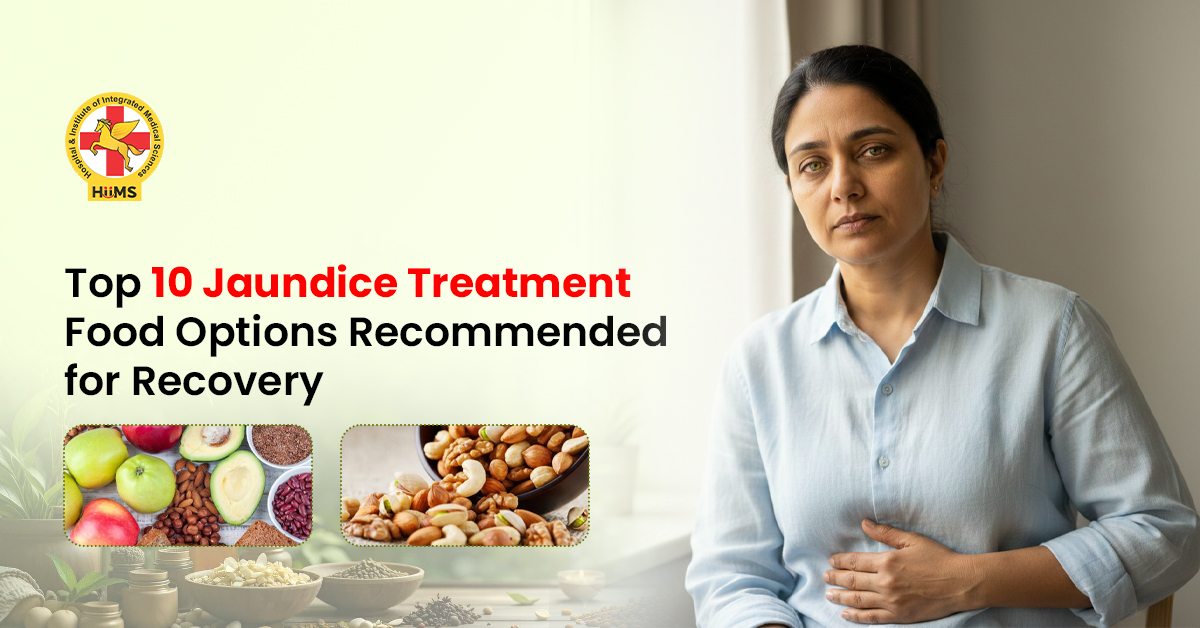
Jaundice is not a disease by itself. It is a sign that the liver is under stress. When the liver is not working properly, a yellow pigment called bilirubin starts building up in the blood. Because of this, the skin and eyes slowly turn yellow. Many people also feel weak, tired, and low in appetite. Sometimes there is nausea, mild fever, or heaviness in the stomach. Urine may look dark, and stools may become pale. These signs should not be ignored, and following a proper jaundice diet chart can help support liver recovery and improve overall health.
During this time, food plays a very important role. The right food for jaundice supports the liver gently and does not burden digestion. Heavy meals can slow recovery. So diet becomes simple, clean, and easy to digest. When you take medicines as advised, rest properly, and follow a simple jaundice diet, the body slowly starts improving on its own. Below are ten food options that are commonly recommended during recovery.
Best Food Options for Jaundice Treatment
1. Coconut Water
Fresh coconut water feels very light and calming. It keeps you hydrated and helps the body maintain proper salts. When appetite becomes low, coconut water can be taken easily, and the digestive system is not burdened. It is better to take it fresh, not packaged. Two glasses a day are usually enough. Avoid taking it chilled.
2. Sugarcane Juice
Fresh sugarcane juice is traditionally used during jaundice recovery. It gives mild natural energy and supports hydration. It is usually taken in small amounts, once or twice daily. If someone has diabetes, it should be taken carefully and under advice. Always take fresh juice from a clean source.
3. Papaya
Ripe papaya is soft and easy to digest. Many people notice that digestion improves slightly when papaya is included in small portions. It does not feel heavy on the stomach. It can be eaten in the morning or as an evening snack. Avoid unripe papaya.
4. Pomegranate
Pomegranate is light and refreshing. It is often included in a simple jaundice diet chart because it does not strain the digestive system. It also helps maintain energy levels gently. Take fresh fruit instead of packed juice.
5. Moong Dal (Split Green Gram)
Moong dal is considered one of the lightest dals. It cooks easily and digests smoothly. During jaundice, heavy lentils may cause discomfort, so moong dal is preferred. It should be cooked soft, with very little oil and mild spices. Sometimes, simple dal water is also given.
6. Boiled Vegetables
Soft-boiled vegetables like bottle gourd (lauki), pumpkin, and carrot are suitable. These vegetables are easy to digest and do not irritate the liver. Avoid frying. Keep seasoning minimal. It is better to take simple steamed vegetables and skip spicy food for some time.
7. Rice and Soft Khichdi
Plain rice or light khichdi made with rice and moong dal is simple and filling. It provides energy without burdening the liver. Many doctors include this in a basic jaundice diet plan because it is safe and comfortable to digest.
8. Buttermilk
Fresh homemade buttermilk supports digestion gently. It feels light and cooling. Add a little roasted cumin powder if needed, but avoid too much salt. It is better to take it at room temperature, not cold.
9. Lemon Water
Warm lemon water in small amounts may help maintain hydration. It should not be very sour. Mild lemon water taken once daily is usually enough. Avoid packaged lemon drinks. Fresh preparation is always better.
10. Seasonal Fruits and Salads
Seasonal fruits like apples, pears, and sweet lime can be taken in moderation. They are light and refreshing. Raw salads should be very clean and simple. Sometimes lightly steamed vegetables are safer than raw ones, especially if digestion is weak.
What to Avoid (पीलिया में परहेज)
Along with choosing the right jaundice treatment food, avoiding certain items is equally important. Oily, fried, and spicy foods increase liver load. Try to reduce heavy dairy and non-veg food for some time. Alcohol and tobacco should be stopped completely. Also, avoid cold drinks and iced water. A jaundice diet (पीलिया में परहेज) helps the body recover better.
Always consult a qualified doctor before following any jaundice diet plan, as dietary recommendations depend on the individual’s health condition, underlying cause of jaundice, age, medical history, and other important factors that must be carefully evaluated. Check the jaundice diet chart below:
| Time | Meal | Recommended Foods | Purpose |
| 6:30 – 7:30 AM | Early Morning | Warm water, mild lemon water, 1 glass of fresh coconut water | Maintains hydration and supports gentle digestion |
| 8:30 – 9:30 AM | Breakfast | Papaya, pomegranate, apple/pear (small portion), soft rice porridge | Light, easy to digest, maintains energy |
| 11:00 AM | Mid-Morning | Fresh sugarcane juice (small glass) OR coconut water | Natural hydration and mild energy support |
| 1:00 – 2:00 PM | Lunch | Steamed rice, soft moong dal (minimal oil), boiled lauki/pumpkin/carrot, buttermilk (room temp) | Provides nourishment without burdening the liver |
| 4:30 – 5:30 PM | Evening Snack | Pomegranate, sweet lime, seasonal fruits OR coconut water | Light refreshment and gentle nutrition |
| 7:00 – 8:00 PM | Dinner | Soft khichdi (rice + moong dal), steamed vegetables, warm water | Light meal to support overnight liver recovery |

Holistic Ayurvedic Treatments & Therapies
At Jeena Sikho HiiMS, Ayurvedic therapies come with simple diet and lifestyle advice to support the liver gently. One important therapy is Virechana, a mild cleansing method used to remove excess bile under supervision. Depending on the patient’s strength, gentle detoxification is planned.
Herbs like Kutki, Guduchi, Haritaki, and Neem are traditionally used in Ayurvedic practice. These are given only after proper consultation. Along with herbs, guidance on daily routine, hydration, and rest is provided.
Doctors at Jeena Sikho HiiMS assess every patient carefully, then blend diet, lifestyle, and herbal support. This keeps recovery safe and smooth.
Daily Routine Support
Along with proper jaundice treatment, rest is very important. Get enough sleep. Avoid daytime sleeping for long hours. Light walking is fine, but heavy exercise should be avoided.
Drink warm water throughout the day. Eat small meals at regular intervals. Keep the body relaxed. Sometimes, simple breathing exercises like pranayama help calm the system.
Conclusion
Recovering from jaundice takes patience. There is no shortcut. The liver needs time to heal, and food plays a big role in this process. Choosing the right jaundice treatment food helps reduce strain on digestion and gives the body gentle nourishment. If you take light meals, fresh juices, soft dals, boiled vegetables, and seasonal fruits, you get a simple and balanced jaundice diet chart.
At the same time, strict पीलिया में परहेज must be followed. Avoiding oily, spicy, and heavy food prevents further stress on the liver. Medical supervision is always important because the cause of jaundice may vary.
At Jeena Sikho HiiMS, Ayurvedic support, herbal guidance, and supervised therapies are provided as part of a structured plan. With proper care, clean food, and discipline, recovery can be steady and safe. A straightforward approach works best: maintain light meals, ensure adequate rest, and adhere to professional guidance.
FAQs
Q1. What is the best food for jaundice treatment?
Foods that are light and easy to digest, like moong dal, rice, and coconut water, are often suggested.
Q2. Can I follow a normal diet during jaundice?
No, a simple and light jaundice diet is recommended.
Q3. Why is oily food restricted in jaundice?
Oily food puts extra pressure on the liver and can make recovery slower.
Q4. Is fruit allowed in a jaundice diet chart?
Seasonal fruits are usually allowed in moderate amounts.
Q5. When should I consult a doctor for jaundice treatment?
Immediate medical consultation is advised when jaundice intensifies, fever persists, or fatigue worsens.