
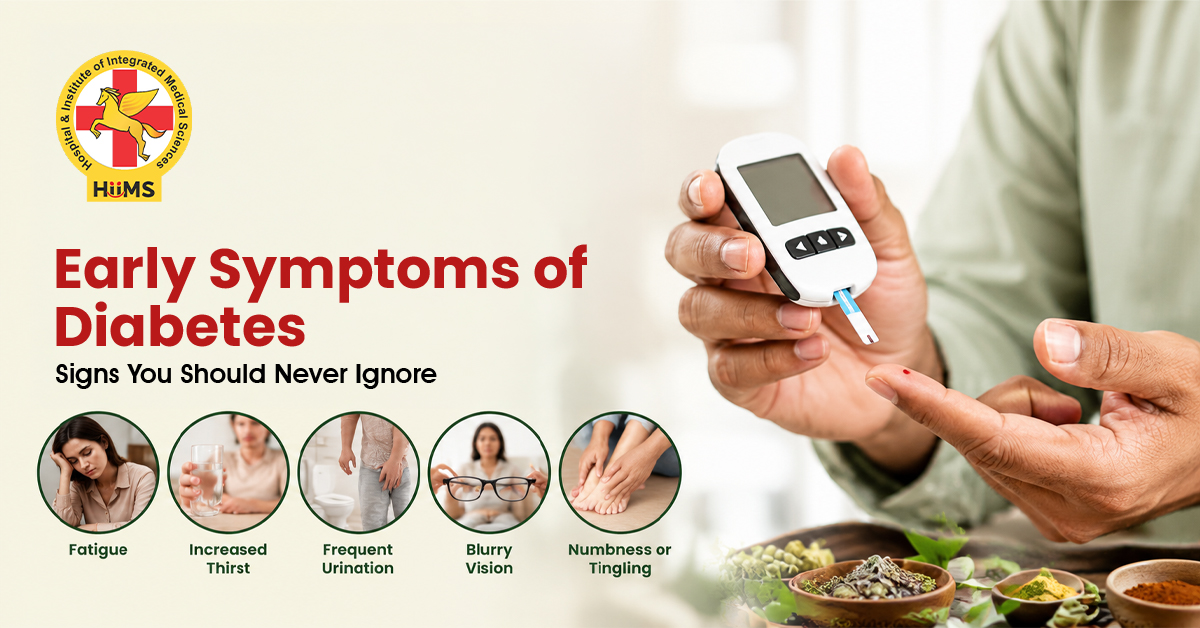
Diabetes hardly ever shows up with clear warning signs. It develops quietly in the body, and most people ignore the changes because they look so generally very normal.
Feeling thirsty more than usual, getting tired without any valid reason, or going to the washroom more often at night – these are things we are most likely to link to weather, work pressure, or poor sleep. But these small changes are often the early symptoms of diabetes, and they deserve more attention than we usually give them.
This blog looks at why these early signs are so easy to overlook, nine changes worth watching closely, how they can appear a little differently in men and women, and when it makes sense to get your blood sugar checked.
Why Are the Early Signs of Diabetes So Easy to Ignore?
Type 2 diabetes doesn’t develop overnight. It builds up slowly, sometimes over years, which is why diabetes symptoms feel so normal. When sugar builds up in your blood instead of moving into cells for energy, your body reacts in small forms – more thirst, more tiredness, more bathroom trips. But what are symptoms of diabetes if you feel tired only once? Not much. It’s the repeats worth paying attention to.
9 Early Symptoms of Diabetes You Should Never Ignore
- Frequent urination, especially at night: Running to the toilet more than usual? Your kidneys are pushing out extra sugar through urine – one of the earliest symptoms of high blood sugar, mostly because it disturbs sleep.
- Thirst that just won’t go away: After drinking a full glass of water, you’re feeling thirsty again in ten minutes. Your body is losing water faster than you’re replacing it.
- Feeling hungry right after a meal: When cells can’t use glucose properly, they keep asking for more fuel, even if your stomach is full.
- Tiredness that sleep doesn’t fix: Often blamed on work pressure. Constant low energy, even after a full night’s rest, is a quiet diabetes warning sign people ignore too long.
- Weight changing without any real reason: No new diet, no gym plan, yet your weight is getting heavier. It’s worth getting a doctor’s opinion, not a stress justification.
- Vision going blurry now and then: Blood sugar fluctuations cause problems with eyesight temporarily. If it keeps happening, don’t just blame your phone screen.
- Wounds that take forever to heal: A small cut that should heal in days is still sore a week later. Along with repeated skin infections, this is among the common diabetes symptoms rarely linked to sugar levels.
- Tingling or numbness in hands and feet: A burning or pins-and-needles feeling can have many causes – but if it sticks around, get it checked.
- Skin turning dark or looking different: Thick, darker patches near the neck or underarms often indicate that you are at risk with insulin.
Not everyone notices all nine, and how they show up can vary by age or gender.
Do Diabetes Symptoms Look the Same in Everyone?
Diabetes Symptoms in Adults
Older adults attribute their tiredness or blurry vision up to “getting older.” If these keep repeating, age isn’t the reason.
Diabetes Symptoms in Men
Along with the common signs of diabetes, men sometimes notice lower stamina or changes in sexual health, which is worth a doctor’s opinion.
Diabetes Symptoms in Women
Women may deal with repeated urinary or yeast infections, plus unusual dryness, often treated separately from blood sugar.
What Does Ayurveda Say About the Early Signs of Diabetes?
Ayurveda calls this condition Madhumeha, and it doesn’t treat diabetes as just a number on a report. It looks at your diet, digestion, sleep, and routine as one connected view.
Terms like Agni and Kapha come up, but the point is that Ayurveda watches hunger, thirst, urination, and habits together – hence, catching these signs early is so important in this system of care.
When Should You Get Your Blood Sugar Checked?
Get tested if these signs return together, if diabetes runs in the family, or if wounds and infections take too long to heal. Doctors usually rely on a fasting blood sugar test or HbA1c. Symptoms alone don’t confirm diabetes, but they’re reason enough to stop making assumptions.
How Jeena Sikho HiiMS Approaches Diabetes Care Through Ayurveda
Jeena Sikho HiiMS Safdarjung starts by understanding your food habits, routine, and overall condition, not just a report number. Their approach combines Ayurveda and Panchakarma with a diet and lifestyle plan built around Aahar, Vihar, Shaman, and Shodhan, alongside regular blood sugar monitoring – integrating Ayurveda with other methods of medicine, with attention to symptoms, causes, diet, and long-term care.
Conclusion
Thirst that won’t go away, sleep that doesn’t refresh you, extra trips to the bathroom – none of it feels like an emergency on its own. But when these keep returning, ignoring them stops one from being smart.
Catching the early symptoms of diabetes early gives you a true opportunity at managing things before they get harder to control. A simple blood test, a few honest changes to routine, and the right guidance go a long way.
If any of this sounds familiar, book a VOPD consultation with expert doctors at Jeena Sikho HiiMS Safdarjung.

FAQs
1. What are the first early symptoms of diabetes?
Frequent urination, constant thirst, and unusual tiredness are usually the first changes noticed.
2. Can diabetes symptoms appear suddenly?
Type 2 diabetes usually builds slowly, though symptoms can feel stronger during stress or illness.
3. What are the common symptoms of high blood sugar?
Excess thirst, frequent urination, blurry vision, and slow-healing wounds are the most reported.
4. Are diabetes symptoms different in men and women?
Some overlap, though men notice stamina changes while women often deal with recurring infections or dryness.
5. When should I get tested for diabetes?
If symptoms repeat or run in your family, book a fasting sugar or HbA1c test soon.