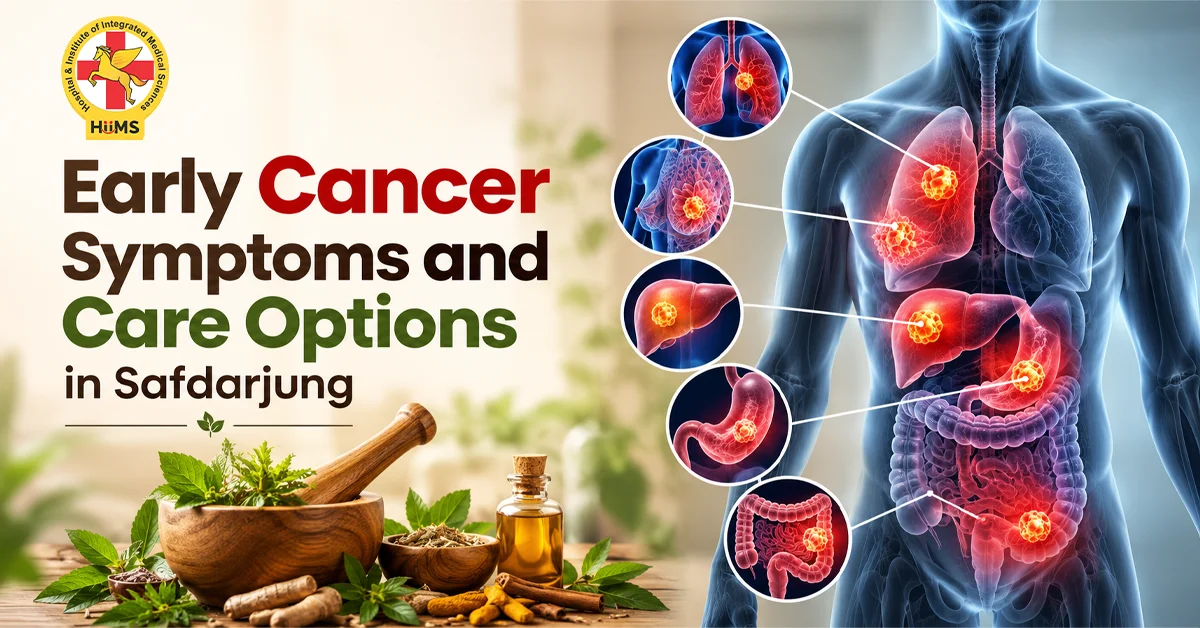

Hearing the word ‘cancer’ can feel frightening. But early signs often start small, and many people ignore them for weeks. Knowing what to look for helps you see a doctor in time, when more treatment options are open to you.
India recorded nearly 1.57 million new cancer cases in 2025, and the numbers have risen every year since 2021. Among metro cities, Delhi had the highest overall cancer cases, at 146 per 100,000 people. This blog explains the early signs, the common treatment options and how to find the right cancer care hospital in Safdarjung, with a special look at how Ayurvedic care can support you at every step of your cancer journey.
What Is Cancer?
Cells in your body normally grow, divide and die in a fixed cycle. Cancer starts when this cycle breaks down. Damaged cells keep dividing instead of dying, and they may form a lump (tumour) or spread to the other parts of the body. Age, family history, tobacco, alcohol and lifestyle habits can all raise the risk.
Common Early Signs and Symptoms of Cancer
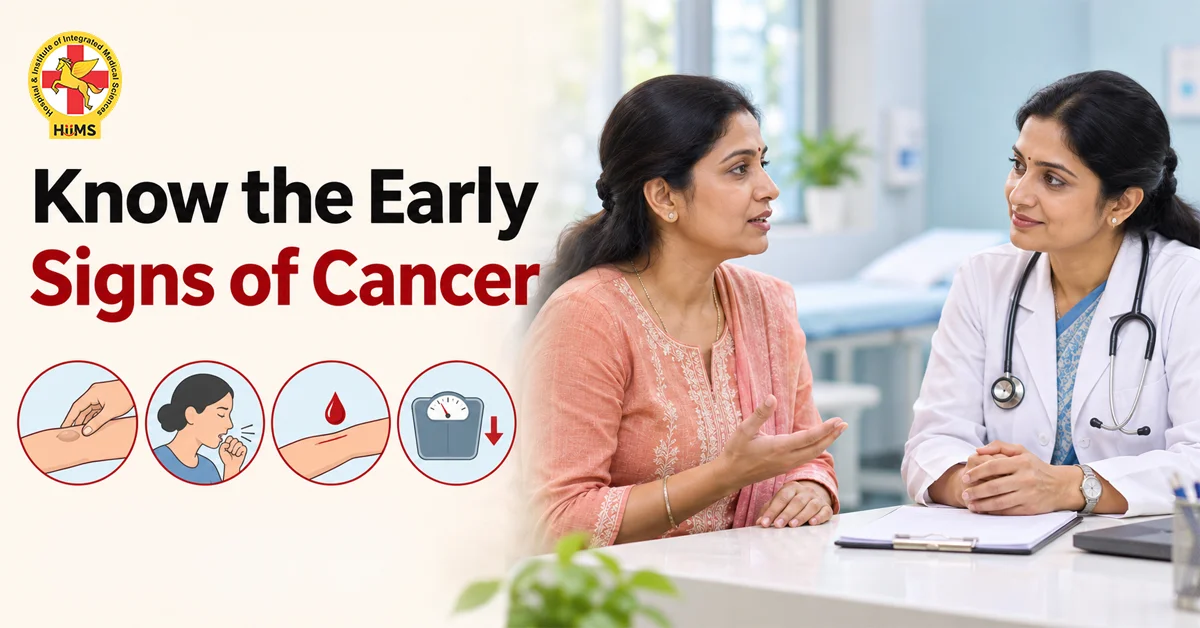
Cancer symptoms depend on the type and the part of the body. WHO lists the several warning signs, such as unusual bleeding or discharge, a lump in the breast or elsewhere, and changes in bowel or bladder habits. Here are the common cancer symptoms:
- Unusual bleeding or discharge: Blood in urine or stool, bleeding between periods or after menopause, or discharge from the nipple
- A new lump or swelling: In the breast, neck, testicle or any other part of the body
- Changes in bowel or bladder habits: Long-lasting diarrhoea, constipation or trouble passing urine
- A sore that does not heal: On the skin or in the mouth, especially if it grows or bleeds
- A cough that does not go away: Or a hoarse voice, or blood in the sputum
- Trouble swallowing or constant indigestion: Or feeling full after very little food
- Changes in a mole or wart: In size, colour or shape
- Unexplained weight loss and tiredness: Without any change in your diet or routine
Most of these signs have simple causes and do not mean cancer. But if a symptom lasts more than 2 to 3 weeks, does not improve, or comes back, you should see a doctor. Do not wait for pain.
Common Cancer Types Reported in India
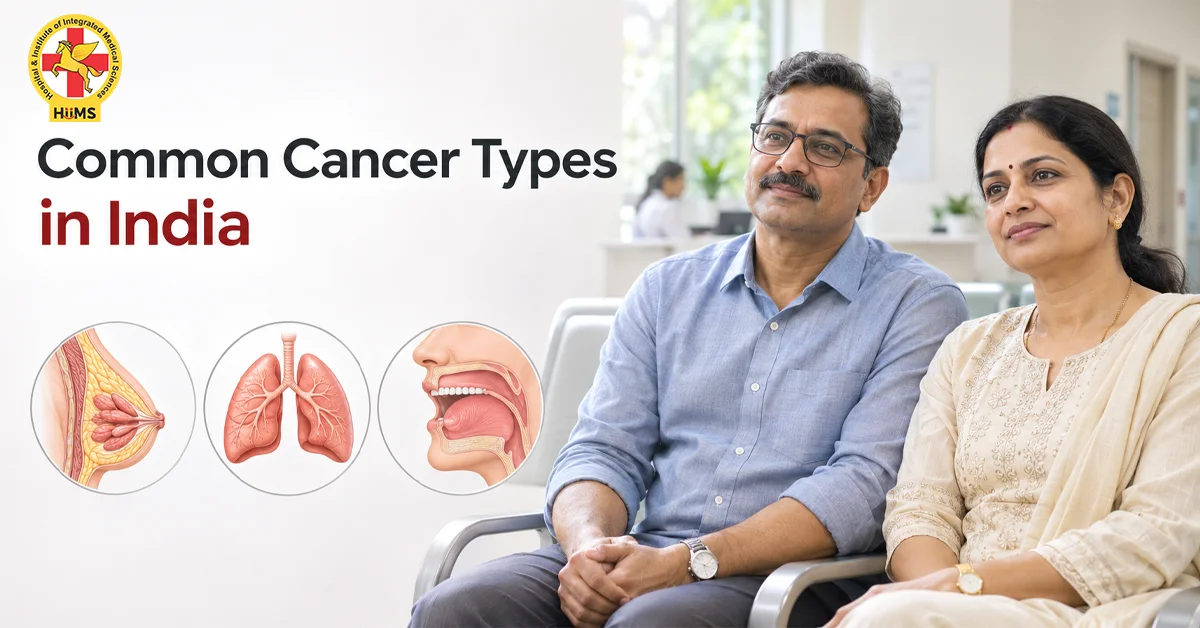
An ICMR study found that mouth, lung and prostate cancers are the most common in men, while breast, cervical and ovarian cancers are the most common in women. Because of this, regular check-ups matter. Women can ask about breast and cervical screening, and people who use tobacco can ask for a mouth examination.
Why Early Diagnosis Matters
WHO says that many cancers have a high chance of cure if they are found early and treated properly. A tumour found before it spreads is usually easier to treat, and you often have more options.
When Should You See a Cancer Doctor in Safdarjung
- A symptom lasts for more than 2 to 3 weeks
- You find a new lump that does not go away
- You have a family history of cancer and notice any unusual change
- You use tobacco or alcohol and notice sores, a cough or trouble swallowing
A cancer specialist in Safdarjung will first examine you and ask about your history. The doctor may then suggest tests such as blood tests or imaging scans.
What Are the Different Cancer Treatment Options?
The right cancer treatment options depends on the type and stage of cancer, age and overall health. Doctors often combine more than one option.
Surgery
Removes the tumour when it is contained in one area.
Side effects: pain, scarring and a recovery period.
Chemotherapy
Medicines that target fast-growing cells.
Side effects: tiredness, nausea, hair loss and appetite changes.
Radiation therapy
High-energy beams aimed at the cancer.
Side effects: skin changes and tiredness in the treated area.
Immunotherapy
Helps the body’s immune system fight cancer cells.
Side effects: it can cause the immune system to affect healthy organs in some people.
Targeted therapy
Acts on specific changes inside cancer cells.
Side effects: rashes, diarrhoea or liver changes, depending on the medicine.
Hormone therapy
Lowers or blocks hormones that feed some cancers.
Side effects: hot flashes, mood changes and weaker bones.
Stem cell or bone marrow transplant
Used for some blood cancers after other treatments.
Side effects: tiredness, nausea, mouth sores, and a higher risk of infection.
These treatments save many lives. But they can also leave the body weak, tired and low on appetite. That is why many patients and families look for supportive care to help them stay strong during treatment.
Integrated Cancer Care at Jeena Sikho HiiMS, Safdarjung
Ayurveda sees abnormal growths as ‘granthi’ or ‘arbuda’ and links them to an imbalance of the three doshas: Vata, Pitta and Kapha. At Jeena Sikho HiiMS, a cancer hospital in Safdarjung, Ayurvedic doctors follow an approach that focuses on digestion, strength, sleep and calm.
How Ayurvedic Care Can Help
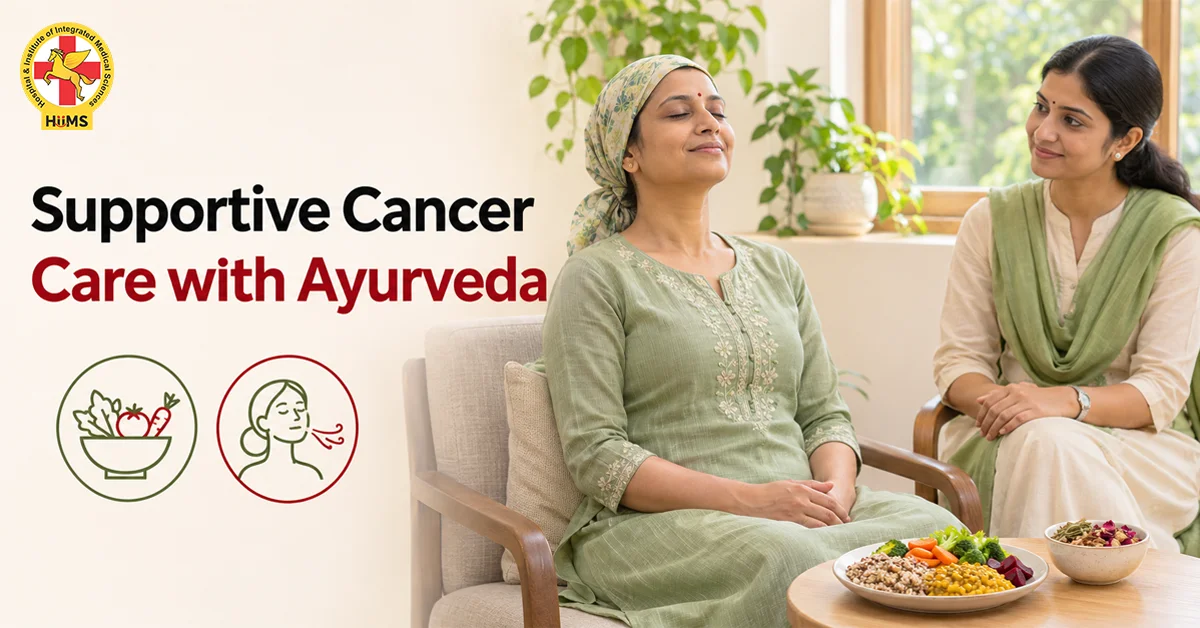
- Diet guidance: Light, fresh and easy-to-digest food to support appetite and strength
- Gentle massage and therapies: To ease tiredness, stiffness and stress, when your doctor agrees
- Yoga and breathing exercises: To improve sleep and calm the mind
- Herbal and lifestyle advice: Planned for you, after checking that it is safe with your cancer medicines
Selected Cleansing Therapies
Your doctor must approve these therapies first. They include:
- Cancer detox juice: An herbal drink you take each day as support for your body
- Panchakarma: Gentle cleansing therapies that aim to refresh the body
- Golden therapy: An herbal paste pressed with the soles of the feet to cleanse the body
Always follow your doctor’s advice, so your care stays safe and suited to you.
How to Choose a Cancer Care Hospital in Safdarjung
Look for a cancer care hospital in Safdarjung that:
- Confirms the diagnosis with proper tests
- Explains your treatment options in simple words
- Plans care for you and does not promise a guaranteed cure
- Offers supportive care, such as diet, counselling and rest
Take your time, ask questions, and choose the place where you feel safe and heard.
Conclusion
Cancer is a serious condition, but early action makes a big difference. Notice the signs, do not delay the tests and follow the treatment plan your doctor suggests.
If you are looking for a cancer care hospital in Safdarjung that supports you beyond medicines, Jeena Sikho HiiMS offers Ayurvedic supportive care for diet, strength and daily routine. Book a VOPD consultation today and take the next step with the right support beside you.

FAQs
1. What are the early signs of cancer?
Common signs include a lump, unusual bleeding, a sore that does not heal, a long-lasting cough, trouble swallowing and the unexplained weight loss.
2. When should I see a cancer doctor?
See a doctor if a symptom lasts more than 2 to 3 weeks or keeps coming back.
3. Which cancers are most common in India?
Mouth, lung and prostate cancers are the most common in men. Breast, cervical, and ovarian cancers are the most common in women.
4. What is the cancer supportive care?
It is care that helps you cope with cancer and its treatment through diet, rest, stress relief and symptom support, alongside the doctor’s plan.
5. What kind of diet helps during cancer treatment?
Light, fresh, and easy-to-digest food can support your appetite and strength. Ask your doctor for a diet plan that suits your treatment and health.