


Obesity is one of the common health issues that may affect people of various ages. It is not only about physical appearance or weight. Having too much body fat may lead to various health issues, including diabetes, high blood pressure, heart disease and joint problems.
Controlling obesity is not about going on a rigid diet and working out for hours each day. It entails making small but realistic changes to your dietary intake, exercise regime, and daily activities. This will enable you to achieve the healthy weight and maintain it.
If you are looking for a natural obesity solution, start by understanding your food habits, activity level and sleep pattern. The right approach may be different for every person, depending on their health, age and the medical history.
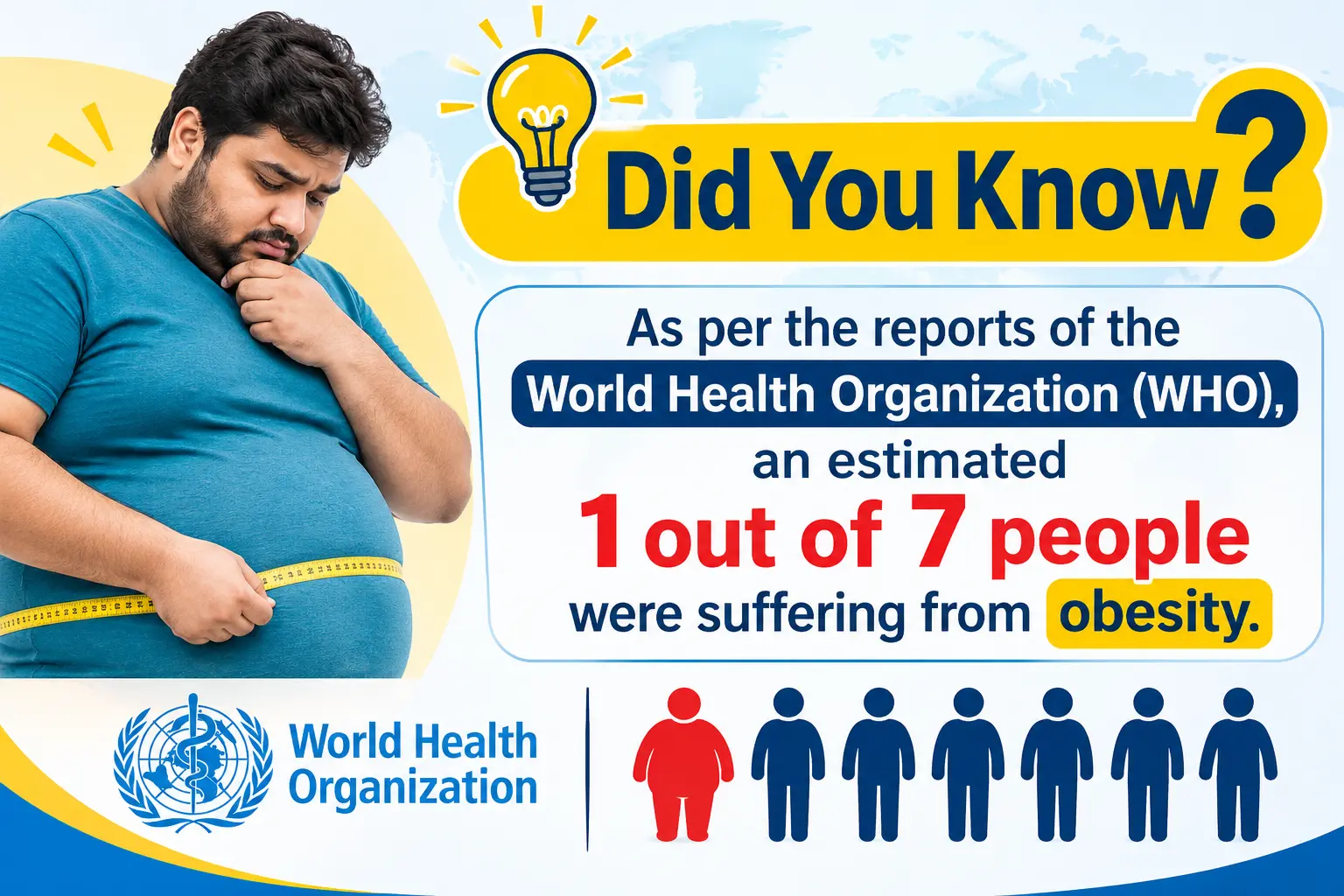
Did You Know?
As per the reports of the World Health Organization (WHO), an estimated 1 out of 7 people were suffering from obesity in 2024. There are other reasons that could result in obesity apart from excessive eating. These include genetic makeup, sleeping habits, stress levels, hormone changes, illnesses, and medications as well.
Hence, treatment of obesity does not have a common approach. Knowledge about the potential reasons and adopting a proper strategy accordingly is very helpful.
What Is Obesity and Why Does It Happen?
Obesity is a complicated disease where excessive body fat affects general health. It can be triggered by various reasons, such as:
- Unhealthy eating patterns which involve the consumption of lots of highly caloric foods, processed foods, and sweets.
- Inactivity, as well as spending too much time sitting down.
- Lack of sleep and poor sleep hygiene.
- Chronic stress and binge eating.
- Genetics and hormones.
- Various diseases and medications.
Obesity does not have to be associated with unhealthy lifestyle choices only. In case you experience a rapid increase in weight, seek professional advice.
To know more, book our free consultation today.
How to Manage Obesity Naturally?
A sustainable approach to obesity management focuses on three important areas: a balanced diet, regular physical activity and healthy lifestyle habits. Here are some practical ways to get started.
1. Follow a Balanced Obesity Diet
Choosing the right food is one way through which weight control can be achieved. Instead of starving yourself or following a very strict diet, you should focus more on eating the right type of food in the correct portions.
Eat whole foods: You have to make sure that you consume lots of fruits, vegetables, legumes, grains and other types of foods that are healthy and nutritious.
Eat high-fibre foods: Some of the foods that contain high levels of fibre include fruits, vegetables, oats, lentils, and whole grains. Consumption of high-fibre foods will help you stay full for a long time.
Include proteins in your diet plan: Dal, chickpeas, beans, paneer, tofu, curd, and other healthy protein sources can be part of your diet plan. Proteins are helpful in retaining muscle mass.
Cut down on sugary foods and beverages: Try to limit your intake of soda, juice packed in packets, sweets, deep-fried snacks and highly processed foods. Consume water or some other healthy drinks.
Keep your portion sizes when consuming healthy foods: Control of portions is one vital part when eating healthy foods. Eat slowly and listen to your body.
Your healthy obesity diet plan must be feasible and suitable for you. Do not follow any fad diets that will make you feel deprived and depressed.
2. Make Physical Activity Part of Your Routine
Exercise is also an integral component of obesity management. It is unnecessary to begin with rigorous exercise. You can start with exercises suited to your fitness level and increment the time taken for them.
Some options include:
- Walk: Start with a 10-15 minute walk and then slowly increase the duration.
Bicycling: Bicycling could be beneficial for those individuals who have difficulty in running.
Yoga: Yoga and stretching would help improve flexibility and mobility as well as overall health.
Body Strengthening Exercises: Incorporate the bodyweight or resistance training exercises.
Regular Movement: Take regular walks, make use of the stairs when possible and do not remain seated for prolonged periods.
A good aim for most adults would be to aim towards a minimum of 150 to 300 minutes of moderate aerobic exercise a week. Resistance training at least twice a week would also be beneficial. Start slowly, particularly if you have joint pain or any other health problems.
3. Improve Your Daily Lifestyle Habits
Your daily routine may influence your eating habits, workouts, and weight loss programme. Apart from your nutrition and exercise, examine your routine.
Sleep properly: Your sleep time should be consistent, and the number of sleeping hours should range between 7 and 9 hours each day according to your own needs. Insufficient sleep may influence your appetite and your food choices.
Deal with stress: Stress makes some people eat more and pick up calorie-dense food. Find relaxation through meditation, breathing exercises, yoga, and other activities.
Drink enough water: Make sure that you have enough of water during the day. Have a bottle of water close to you if you tend to forget about drinking water.
Do not sit for too long: If you have a job where you need to stay sitting for many hours, do small exercises during the day.
Establish realistic goals: Try to make the progress gradually rather than hoping for immediate success. Occasionally, losing even a little bit of body weight can produce some benefits for you.
4. Why Professional Guidance Matters in Obesity Management?
At times, alteration in eating patterns and exercise routines alone may not suffice to cope with obesity. There might be other factors that affect body weight, including hormonal disorders, medicines, sleep troubles, and others.
A well-experienced obesity doctor can evaluate your past medical history, weight risks and your lifestyle pattern before prescribing you an effective treatment regimen. Based on your individual requirements, an obesity specialist may prescribe you diet consultation, physical activities, behaviour modification, medicine, and more. Do not begin any kind of weight loss medicine, supplements or diet programme without consulting a professional medical expert.
If you are looking for an obesity solution, meeting with a healthcare professional can help you make the right decision. Schedule a meeting and get a consultation from our expert now.
Obesity Management at Jeena Sikho HiiMS
At Jeena Sikho HiiMS Rohini, the approach to obesity management focuses on understanding an individual’s health needs and daily habits. The centre describes its integrated approach through four key pillars: Aahar (food), Vihar (lifestyle), Shaman (medicinal support) and Shodhan (therapeutic procedures).
It includes recommendations on balanced nutrition, daily habits, exercise, and proper wellness activities. Based on the health status of an individual, healthcare professionals can recommend the right course of action to take.
Not all options work well for all people. Ayurvedic treatment and other complementary treatments must be followed based on professional advice and cannot be used as a substitute for medical treatment.
Conclusion
Weight management is a slow process and needs perseverance, patience, and proper guidance. A healthy obesity diet, proper exercise, adequate sleep and good lifestyle practices can be of help for the purpose of managing obesity. Don’t follow shortcuts; instead, try things which can be sustained. If you are not sure how to start, then you should seek the help of an obesity specialist.
To get personal guidance in the matter, you may refer to the health experts at Jeena Sikho HiiMS via VOPD.

FAQs
1. What is the best natural way to control obesity?
The right diet, physical exercise, enough sleep and daily routine form the basics of controlling obesity. You have to make sure that your plan is realistic and suits your health conditions.
2. Which foods should I eat for my obesity diet?
Eating vegetables, seasonal fruits, pulses, beans, whole grains and the required proteins such as dal, paneer and tofu is recommended. Avoid sugary and highly processed drinks.
3. Does walking help with obesity control?
Yes. Walking is very helpful and helps with the physical activities and overall fitness of the body. It is important to start slowly and then progressively move to a greater distance.
4. When should I see an obesity doctor?
An obesity doctor should be consulted when one has continued weight gain issues and other obesity-related health issues or if there is difficulty in controlling weight despite making lifestyle changes.
5. Is there any permanent cure for obesity?
Obesity is a constant process depending on how you eat, how you exercise physically and other things.