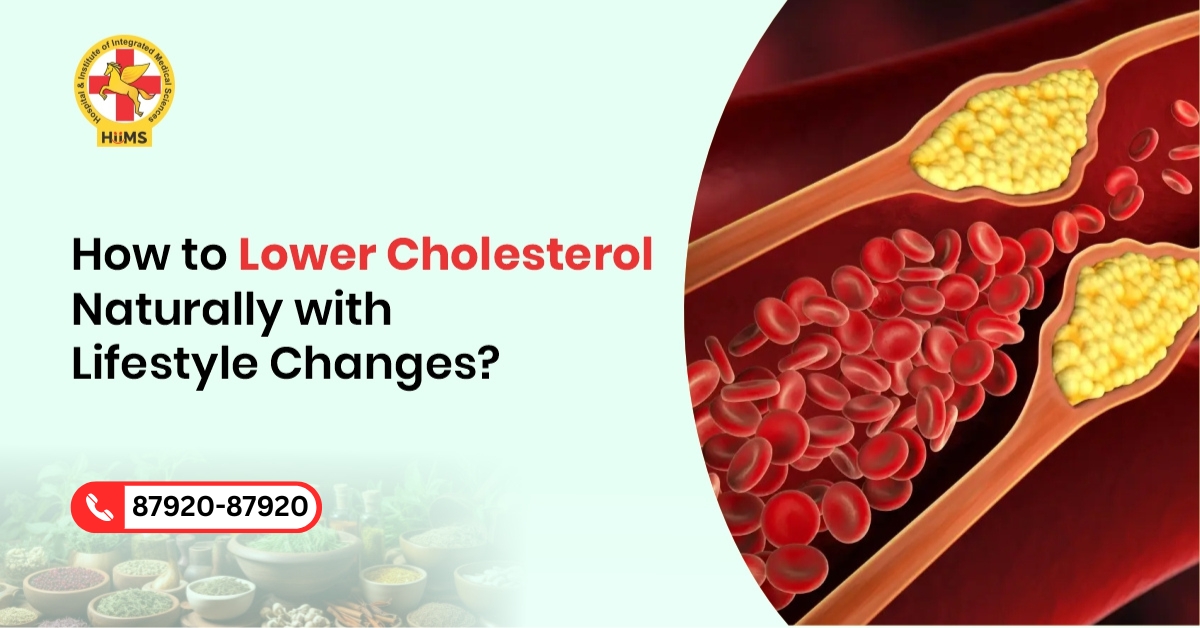

Cholesterol is a natural substance present in the body and is necessary for building cells, producing hormones, and supporting several metabolic processes. However, when cholesterol levels rise too high, they can increase the risk of heart disease, stroke, and other cardiovascular problems.
Many people look for ways to control cholesterol without depending only on medications. In many cases, simple daily habits can make a meaningful difference. Practical lifestyle changes for managing cholesterol, such as improving diet, staying physically active, and managing stress, can gradually help bring levels under control.
Ayurvedic principles also highlight natural approaches to maintaining heart health by improving digestion and supporting metabolic balance. Learning how to control cholesterol, recognising foods that affect its levels, and following a consistent routine can support long-term wellness.
In this blog, we will explore useful tips and lifestyle changes for high cholesterol that help reduce LDL (bad cholesterol), increase HDL (good cholesterol), and promote better cardiovascular health naturally. Whether cholesterol risk comes from genetics, age, or diet, these steps can help you manage it with confidence.
Understanding Cholesterol and Its Types
Cholesterol is a wax-like substance carried in the blood. Much of it is made by the liver, and the rest is obtained through diet. Maintaining the right cholesterol balance helps protect the heart from related problems. Cholesterol is mainly divided into three types:
LDL (Low-Density Lipoprotein): Known as “bad” cholesterol, high levels can cause plaque buildup inside the arteries.
HDL (High-Density Lipoprotein): Often called “good” cholesterol, it helps carry extra cholesterol away from the bloodstream.
Triglycerides: High levels may suggest excess calorie intake and a less active lifestyle.
Learning how to control cholesterol begins with understanding these types and making better daily habit choices.
Common Causes of High Cholesterol
Several factors contribute to elevated cholesterol:
Unhealthy Eating Habits: Frequent consumption of fried items, processed foods, and rich dairy products may raise LDL levels.
Sedentary Lifestyle: A routine with little exercise can slow metabolic activity and affect cholesterol management.
Stress and Sleep Patterns: Long-term stress and poor sleep cycles may disturb hormones that influence cholesterol.
Genetic Factors: A family history of cholesterol problems can increase the risk and requires extra care with habits.
Understanding these causes can help you identify effective lifestyle changes to reduce cholesterol.
Diet-Based Strategies to Lower Cholesterol Naturally
One of the most impactful lifestyle changes for high cholesterol is a well-structured diet. Here’s how to approach it:
Include Cholesterol-Lowering Foods
- Fruits and Vegetables: Rich in fiber, they help reduce LDL levels.
- Whole Grains: Oats, barley, and millet support healthy digestion and lipid balance.
- Nuts and Seeds: Almonds, walnuts, and flaxseeds contain heart-friendly fats.
- Herbs and Spices: Garlic, turmeric, and ginger support natural detoxification and metabolism.
Limit High-Cholesterol Foods
- Reduce fried snacks, processed foods, and sugary drinks.
- Limit fatty meats and full-fat dairy products.
- Avoid trans fats present in packaged baked items.
Implementing these dietary changes is a practical first step in understanding how to control cholesterol through nutrition.
Lifestyle Habits That Support Healthy Cholesterol
Regular Physical Activity
Regular exercise, including brisk walking, yoga, or light resistance training, helps improve HDL while lowering triglycerides. Even short sessions of 20-30 minutes practiced consistently can bring noticeable benefits.
Weight Management
A healthy body weight helps the body manage cholesterol more effectively and lowers metabolic pressure. Gradual weight reduction tends to produce better and longer-lasting results.
Stress Reduction
Stress that continues for long periods can influence heart health. Meditation, deep breathing, and simple relaxation techniques can help manage stress levels and support cholesterol control.
Sleep Hygiene
Consistent sleep patterns support hormone regulation and help maintain balanced cholesterol levels. Aim for 7-8 hours of quality sleep each night.
Ayurvedic Approaches for Cholesterol Support
Ayurveda looks at health in a holistic way, paying attention to digestion, metabolism, and circulation. Herbs like guduchi, triphala, and fenugreek, when used under proper guidance, may support cholesterol treatment. Pairing them with balanced meals, good hydration, and regular physical activity can strengthen the effects of lifestyle changes for managing cholesterol naturally.
When to Seek Professional Guidance
While lifestyle changes for high cholesterol are highly effective, some cases require medical evaluation. Persistent elevated cholesterol, family history of heart disease, or coexisting conditions like diabetes may necessitate a structured Cholesterol treatment plan. A healthcare professional can design a personalized approach that blends dietary adjustments, activity, Ayurvedic support, and medications if necessary.
Conclusion
Cholesterol levels can often be managed naturally through consistent lifestyle choices. Making simple lifestyle changes for cholesterol, including healthy eating, regular exercise, stress control, and adequate sleep, plays an important role in protecting heart health. When supported by Ayurvedic guidance, these practices may offer long-term balance and wellness. Understanding how to control cholesterol helps people take practical action to reduce cardiovascular risks and maintain a healthier, more active life.
Concerned about your cholesterol levels? Book an appointment for expert advice:-

FAQs
1. What is cholesterol?
Cholesterol is a fat-like substance needed for cells and hormones.
2. Why should I control cholesterol?
High cholesterol increases the risk of heart disease and stroke.
3. How can I control cholesterol naturally?
Cholesterol can be controlled through diet, exercise, stress management, and sleep.
4. Which foods lower cholesterol?
Fruits, vegetables, whole grains, nuts, and seeds help reduce cholesterol.
5. Which foods increase cholesterol?
Fried foods, processed snacks, fatty meats, and full-fat dairy can raise cholesterol.