
Cholesterol plays an important role in the body by supporting hormone balance, aiding digestion, and preserving healthy cell structure. However, when its levels rise beyond the normal range, it silently increases the chances of heart disease, stroke, and other serious medical conditions.
Many individuals do not realize that poor eating habits, lack of movement, ongoing stress, and irregular daily routines gradually disturb internal balance. Proper cholesterol management goes beyond medication; it involves a conscious blend of nutritious food, regular physical activity, and long-term healthy practices.
Modern lifestyles filled with processed foods and limited physical movement have made preventive care more important than ever. A carefully planned diet, regular exercise, and balanced lifestyle adjustments for cholesterol can greatly support heart health.
At Jeena Sikho HiiMS, we prioritize identifying and treating the root cause through natural and holistic care that works alongside the body’s natural systems. With proper direction and consistent effort, maintaining healthy cholesterol levels becomes sustainable and effective.
Understanding Cholesterol and Its Impact on Health
Cholesterol is a fat-based substance present in the blood. It is mainly divided into LDL (low-density lipoprotein), commonly called “bad” cholesterol, and HDL (high-density lipoprotein), known as “good” cholesterol. When LDL levels rise, they can accumulate along artery walls, causing narrowing and raising the risk of heart-related conditions.
Factors like unhealthy food consumption, overweight, smoking, diabetes, and long-term stress can hinder effective cholesterol control. Overlooking early symptoms may result in severe complications. Taking timely steps to manage cholesterol is essential for protecting heart health and supporting overall wellness.
Normal and High Cholesterol Level Reference Table
This table provides a clear clinical reference to help readers understand healthy, borderline, and high cholesterol ranges, making it easier to interpret lipid profile reports and assess cardiovascular risk.
Being aware of your cholesterol readings allows you to take timely steps and adopt suitable diet and lifestyle measures for better heart health.
| Cholesterol Type | Desirable / Healthy Range (mg/dL) | Borderline / Moderate Risk (mg/dL) | High / Risky (mg/dL) |
|---|---|---|---|
| Total Cholesterol | Less than 200 | 200–239 | 240 or higher |
| LDL (“Bad” Cholesterol) | Less than 100 | 130–159 | 160 or higher |
| HDL (“Good” Cholesterol) | 60 or higher | 40–59 | Less than 40 |
| Triglycerides | Less than 150 | 150–199 | 200 or higher |
Drawn from standard medical cholesterol classification guidelines.
Once you understand where your cholesterol levels stand, the next step is improving them through structured dietary changes.
The Role of a Cholesterol-Lowering Diet
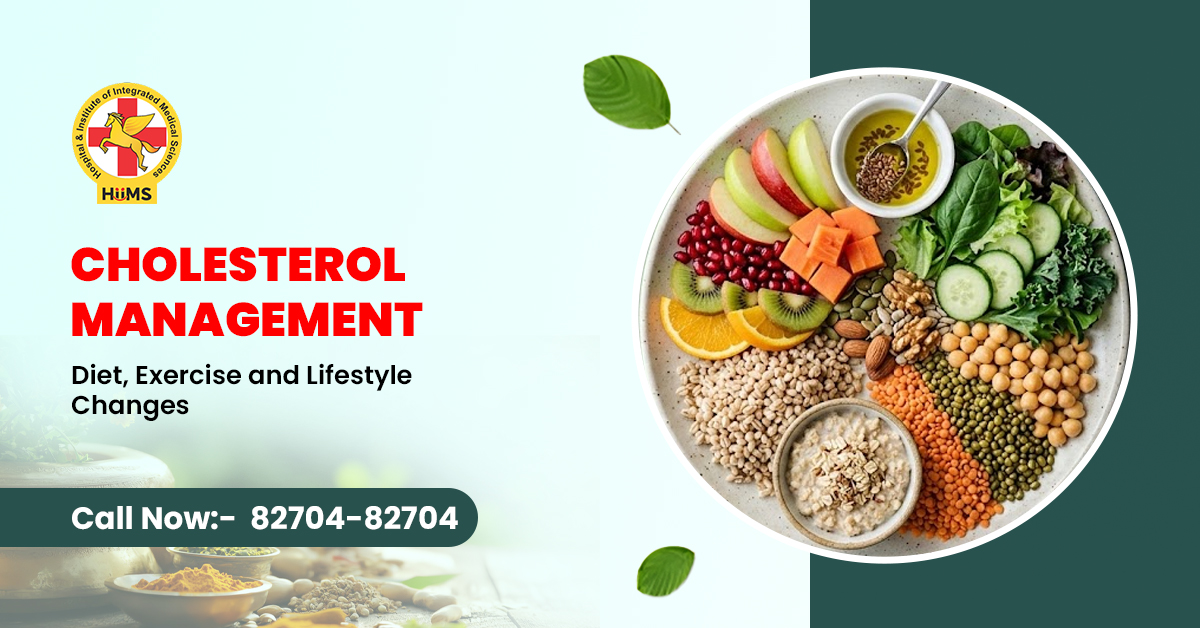
The food you consume has a direct effect on cholesterol levels. A well-designed diet emphasizes cutting down saturated and trans fats while increasing fiber-rich and wholesome foods.
Foods to Include:
- Fresh seasonal fruits and leafy vegetables
- Whole grains such as oats and barley
- Moderate portions of nuts and seeds
- Lentils and pulses
- Healthy fats like flaxseeds and olive oil
Foods to Avoid:
- Deep-fried foods
- Packaged and processed snacks
- High-fat dairy products
- Sugary drinks
A structured diet to lower cholesterol supports healthy lipid balance by helping the body eliminate excess fats. A consistent, structured eating plan helps keep cholesterol levels balanced over time.
Disciplined & Intelligent Person’s Diet (DIP Diet) for Cholesterol Balance
At Jeena Sikho HiiMS, the DIP Diet is promoted as a structured way to reduce cholesterol, prioritizing fresh fruits, raw vegetables, and light meals that assist the body in metabolizing fats effectively.
| Breakfast (7–9 AM) | |
| Plate 1 | Consume 3 to 5 varieties of seasonal fruits, approximately 10 grams per kilogram of body weight. |
| Plate 2 | Select easy-to-digest millet preparations such as poha, daliya, or upma made from millet. |
| Lunch (1–2 PM) | |
| Plate 1 | Start with a raw salad made from 3 to 5 seasonal vegetables. |
| Plate 2 | Continue with simple home-cooked meals like millet khichdi, chapati, or daliya. |
| Dinner (Before 7 PM) | |
| Plate 1 (With Plate 2) | Have fruits and raw salad in a quantity of about 5 grams per kilogram of body weight. |
| Plate 2 | Drink freshly prepared vegetable soup immediately after Plate 1. |
| Plate 1 (Without Plate 2) | When Plate 2 is not consumed, increase your intake of fruits and salad to around 10 grams per kilogram of body weight. |
Important Note: Always take Plate 2 right after Plate 1 to ensure better digestion and balanced fat processing.
While diet forms the foundation of cholesterol balance, physical activity further strengthens its impact.
Exercise to Lower Cholesterol Naturally
Exercise plays a key role in managing cholesterol naturally. Regular exercise to lower cholesterol increases HDL levels while reducing LDL and triglycerides.
Recommended Activities:
- Engage in brisk walking for 30-45 minutes each day.
- Practice yoga and pranayama regularly.
- Include cycling or swimming in your weekly routine.
- Perform light strength-training exercises.
Engaging in light exercise helps enhance circulation and boost metabolism. Beginners should begin with gentle stretches and slowly increase activity levels. Routine movement eases stress, which in turn impacts cholesterol management.
Lifestyle Changes for Cholesterol Control
Maintaining healthy cholesterol levels requires attention to daily habits. Sustainable lifestyle changes focus on improving routine and promoting mental wellness.
Key Lifestyle Adjustments:
- Maintain a healthy weight.
- Use meditation to control stress.
- Sleep 7-8 hours per night.
- Avoid tobacco and alcohol.
Adopting these habits reinforces natural cholesterol regulation. Stress can affect lipid metabolism, so emotional well-being is key. Regular and gradual efforts produce sustainable outcomes. Ancient and traditional systems can complement modern preventive approaches.
Ayurvedic Approach to Cholesterol Treatment
According to Ayurvedic principles, high cholesterol is commonly caused by Kapha imbalance and impaired Agni. Holistic treatments focus on detoxification, improving metabolism, and enhancing organ health rather than merely controlling symptoms.
Jeena Sikho HiiMS combines tailored therapies, herbal supplements, and nutritional guidance to facilitate natural recovery. Panchakarma therapies, herbal remedies, and structured routines enhance circulation and remove accumulated toxins. Such integrative treatment works in harmony with the body, aiming at sustainable cholesterol management rather than temporary relief.
Conclusion
Managing cholesterol effectively goes beyond quick remedies. A consistent cholesterol-lowering diet, daily physical activity, and thoughtful lifestyle practices together create long-lasting results. Regularly maintaining structured, healthy habits helps protect the heart and encourages overall vitality.
At Jeena Sikho HiiMS, we provide holistic care that promotes natural balance and long-term wellness.
Speak with our specialists at +91-82704 82704 or email care@jeenasikho.com.

FAQs
1. What causes high cholesterol in the body?
A diet high in unhealthy foods, inactivity, ongoing stress, obesity, and genetic predisposition can contribute.
2. Which foods increase cholesterol?
Fried foods, processed snacks, high-fat dairy, and sugary drinks.
3. Can skipping meals lower cholesterol?
Inconsistent meal timings can interfere with metabolism and increase fat levels in the blood.
4. Does stress affect cholesterol?
Chronic stress can negatively impact lipid metabolism and heart health.
5. What is the difference between good and bad cholesterol?
The beneficial HDL cholesterol removes the extra fats, while harmful LDL cholesterol may gather in the arteries and raise the risk of heart disease.

Disclaimer: The information provided on this blog is for general educational and informational purposes only. It is not intended to replace professional medical advice, diagnosis, or treatment. Always consult a qualified healthcare professional before making any changes to your diet, lifestyle, or treatment plan. Individual results may vary.