
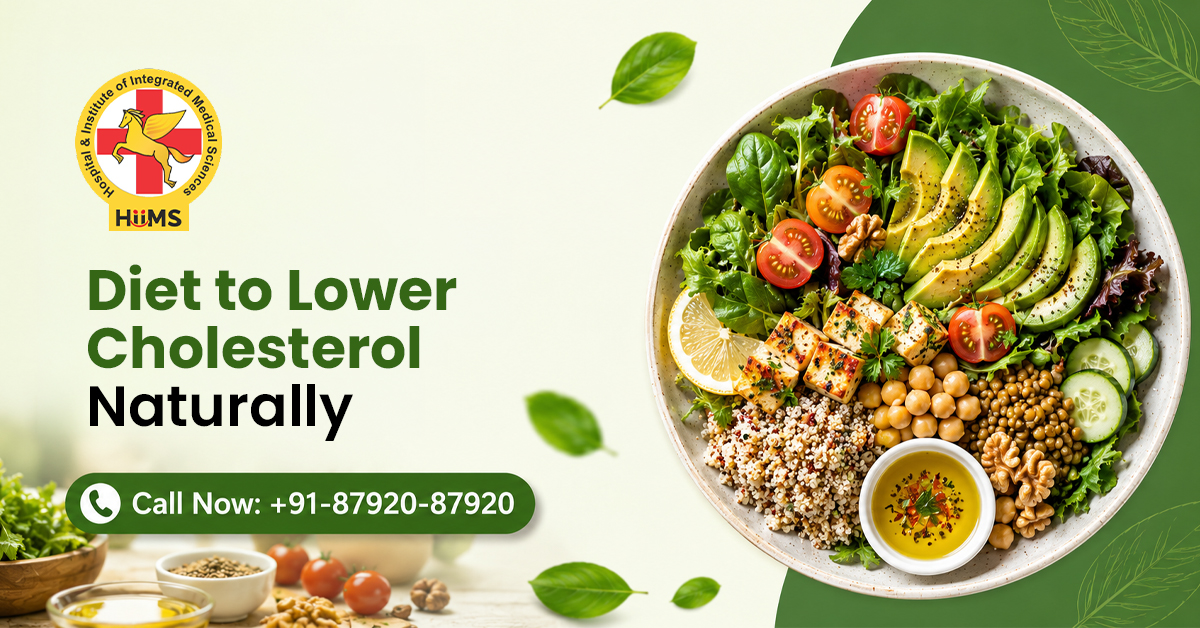
Cholesterol usually doesn’t show clear signs in the beginning. It builds slowly inside the body, and most people only come to know about it when their test reports start showing abnormal levels. That’s when the concern begins and one common question comes up: what is the best diet to lower cholesterol?
The reality is, there isn’t a strict, one-size-fits-all solution. A proper cholesterol lowering diet is less about following the extreme rules and more about making the simple, daily choices that you can actually stick to. Small changes in food habits, when followed regularly, often bring better results than short-term strict diets.
The purpose of this blog is to make things easier to understand. Not dealing with confused ideas about plans or intricate diagrams, it emphasizes food decisions, basic habits, and reasonable adjustments that may prove beneficial for your heart’s health. Be it an introduction to healthy heart habits or continuing your lifestyle with elevated cholesterol levels, here you will find ways of forming an achievable routine.
Why Diet Matters in Cholesterol Control
What you eat every day directly affects how your body handles fats and digestion. Heavy, processed, and fried foods tend to overload the system, while lighter, fibre-rich foods help keep things balanced. A good diet to reduce cholesterol doesn’t need fancy ingredients. It usually looks like simple, home-style food with better choices.
1. Focus on Fiber-Rich Foods
Fibre is something which works quietly for you. It enables your body to handle extra cholesterol as well as helps in digestion. Some of the items which can be included are:
- Oatmeal and Barley: Good amounts of soluble fibre content reduce cholesterol levels.
- Apples, Pears, and Papayas: Good sources of fibre.
- Leafy vegetables: Good for heart health as well as overall balance.
- Beans and lentils: Good plant-based proteins for controlling cholesterol.
If you are following a diet for high cholesterol, adding these regularly can make a noticeable difference over time.
2. Choose Better Fats, Not No Fats
A common mistake is removing all fats. That doesn’t work. The real issue is unhealthy fats: fried food, processed snacks, excess butter, and heavy dairy. What you should do is:
- Almonds and walnuts: Fat sources that help control your cholesterol.
- Seeds: They help increase fibre content and promote heart health.
- Cooking oils used wisely: A better option in comparison to the previous one.
3. Reduce Refined and Processed Foods
This area is where most people struggle. Foods like white bread, maida products, packaged snacks, and sugary drinks may feel convenient, but they slowly disturb your system. If you are serious about a cholesterol diet plan, cutting down on these is important.
4. Add More Plant-Based Meals
A plant-heavy, cholesterol lowering diet naturally supports heart health. Try including:
- Fruits in season: Good nutrients circulating naturally with the body.
- Raw and lightly cooked vegetables: light on the stomach and packed with nutrients.
- Different whole grains millets, brown rice: Good source of fibre and long-lasting supply of energy.
- Chana, Rajma, Dal: plant protein to help keep your heart healthy.
You don’t need to become fully vegetarian, but increasing plant-based meals helps.
5. Keep Your Eating Routine Stable
It is usually ignored. Eating irregularly, consuming more food than required, and having late-night snacking can influence your digestive system, which in turn influences your cholesterol level. Some of the things that you should consider are:
- Eating at fixed intervals: It helps improve digestion.
- Not eating heavy meals late at night: This helps reduce the stress on digestion.
- Eating moderate amounts of food: Helps avoid overeating.
Small discipline here goes a long way.
Easy Routine You Can Stick To
When it comes to following a diet to lower cholesterol, many people fail not because the diet is wrong, but because it becomes too complicated to follow daily.
- Home-cooked food: Fresh, simple meals that support better digestion.
- Too little oil, too little frying: Lower fat consumption and blood cholesterol.
- Growth of use of natural ingredients: Takes care of the body’s balance.
- Regular-time meals: Maintains the digestive system on schedule.
At places like Jeena Sikho HiiMS Hospital Pune, diet is often treated as a daily routine rather than a temporary plan. The idea stays around consistency, not restriction.
Conclusion
Managing cholesterol is not about short-term dieting; it’s about building habits that stay with you. When your daily food becomes cleaner and more balanced, your body slowly starts responding.
If you are looking for guidance or want a structured plan, you can explore both in-person and VOPD consultation options. Email: care@jeenasikho.com; Call:+91 827 048 2704

Getting the right direction at the right time can make the process much easier.
FAQs
1. What kind of diet would work for lowering my cholesterol naturally?
A simple diet with increased fibre content along with fruits, vegetables, and whole grains, as well as reduced processed foods, will do fine.
2. How long does it take to improve cholesterol levels with a diet?
There could be an immediate effect on your levels in weeks. But consistent effort within months would yield a better result.
3. Will I be able to implement this cholesterol diet at home?
Most of the steps that need to be taken to improve your diet will be at home only.
4. What kind of things should I avoid in my diet for cholesterol?
Fried food items, processed snacks, beverages, refined flour, and milk products are to be avoided.
5. Can online consultation help me manage my high cholesterol problems?
VOPD consultations are always helpful for diet and lifestyle improvement advice.