
A heart attack does not always begin with severe chest pain. Sometimes, a person may feel unusually tired, experience mild discomfort in the stomach or notice difficulty breathing. These changes may seem like common health problems, so people often ignore them. However, they can sometimes point towards a serious heart condition.
A Silent Heart Attack occurs when blood flow to the heart muscle becomes blocked or severely reduced, but the person experiences few symptoms or does not recognise them. The heart can still suffer damage even when the warning signs seem mild. According to the American Heart Association, many people discover an earlier silent heart attack only after medical tests reveal signs of heart damage.
Age, diabetes, high blood pressure, high cholesterol and smoking can increase the risk. Still, a person should not assume that mild symptoms are harmless simply because they have no known heart problem. Knowing the less obvious signs and paying attention to unusual changes can help people seek medical care at the right time.
Understanding these warning signs is especially important for people who have existing health conditions or a family history of heart disease.
What Is a Silent Heart Attack?
It may happen without the strong chest pain many people expect. Reduced blood flow can injure the heart muscle, even when symptoms are mild or absent. This is why people should take unusual physical changes seriously.
Need guidance on heart health? Consult a qualified healthcare professional to understand your symptoms and personal risk factors.
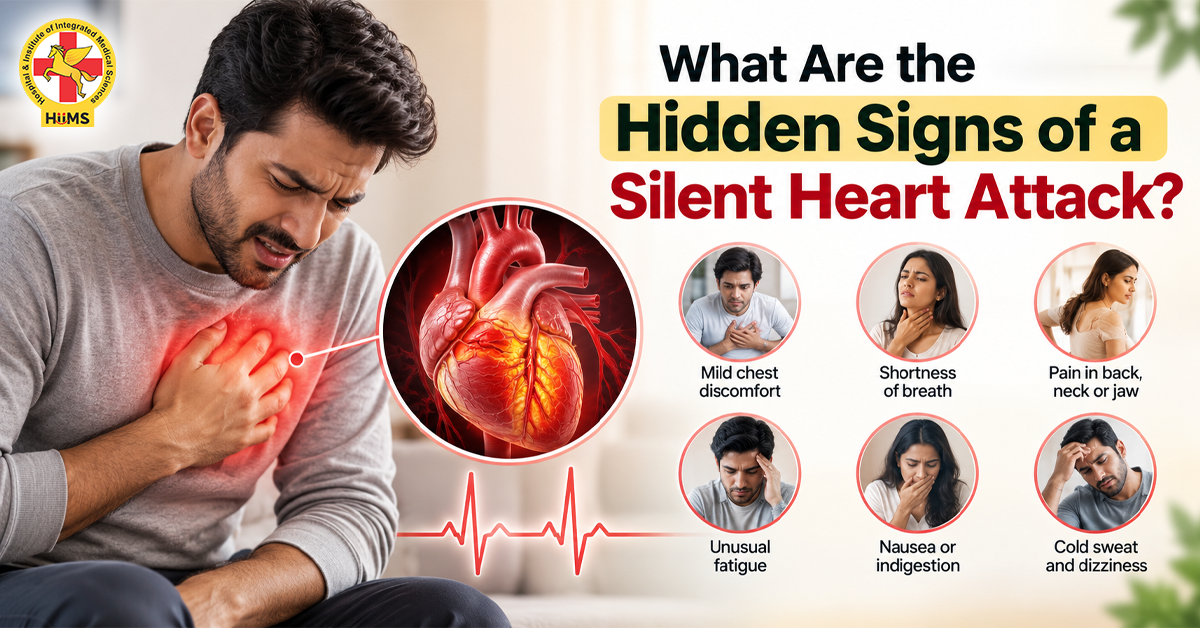
What Are the Hidden Signs of a Silent Heart Attack?
The signs may look like everyday discomfort. However, repeated or unexplained symptoms deserve attention, particularly when a person has diabetes or other heart disease risk factors.
Unusual tiredness
Feeling exhausted without doing much physical work.
Breathlessness
Finding it difficult to breathe during routine activities or while resting.
Indigestion
Experiencing an upset stomach, nausea or a burning feeling that seems like acidity.
Jaw, back or arm discomfort
Feeling unexplained pain or pressure in these areas.
Dizziness or cold sweating
Becoming lightheaded or sweating without an obvious reason.
Mild chest discomfort
Feeling pressure, heaviness or tightness that may come and go.
These are possible Silent heart attack symptoms, but they can also occur with other health conditions. No single symptom can confirm a heart attack.
Why Can a Silent Heart Attack Go Unnoticed?
Some people mistake the early changes for tiredness, gas, muscle pain or stress. Others may have very mild symptoms that disappear before they seek expert advice.
The National Heart, Lung, and Blood Institute explains that heart attack symptoms can develop slowly, remain mild or come and go. Older adults and people with diabetes may be more likely to experience less obvious symptoms.
In clinical practice, doctors assess the pattern of symptoms along with medical history and existing risk factors. A person should not dismiss repeated breathlessness or unusual fatigue simply because these signs do not include chest pain.
Silent Heart Attack Causes and Risk Factors
A heart attack usually occurs when blood flow through an artery supplying the heart becomes blocked. Fatty deposits can narrow these arteries, and a blood clot may block blood flow further.
Common risk factors include:
- High blood pressure and high cholesterol.
- Diabetes or persistently high blood sugar.
- Smoking and tobacco use.
- Excess body weight and low physical activity.
- Increasing age and a family history of heart disease.
These silent heart attack causes and risk factors are the same as those of a regular heart attack. Diabetes can also affect the nerves that help a person recognise pain, making some warning signs less noticeable.
How Can You Recognise the Early Changes?
The early signs of a silent heart attack can be difficult to identify because they may resemble common health complaints. Pay attention when a new symptom appears without a clear reason or keeps returning.
Notice these changes in daily life:
- Getting tired sooner than usual while walking.
- Feeling breathless during simple household work.
- Experiencing unexplained discomfort in the upper body.
- Feeling nauseated or unusually weak without an obvious cause.
These silent heart attack warning signs do not confirm heart damage on their own.
How Can Ayurveda and Daily Habits Help Heart Health?
Ayurveda places importance on food habits, physical activity, sleep and daily routine. These practices may form part of a wider plan for maintaining heart health and managing certain risk factors.
At Jeena Sikho HiiMS Patna, an integrated approach can begin with understanding a person’s health concerns, eating habits, lifestyle and available medical reports before discussing suitable care options.
Some useful daily habits include:
- Eating more vegetables, fruits, whole grains and other fibre rich foods.
- Limiting excess salt, fried foods and highly processed meals.
- Staying physically active according to individual ability and medical advice.
- Maintaining regular sleep and managing daily stress.
- Checking blood pressure, blood sugar and cholesterol as advised.
Ayurvedic medicines or therapies should be chosen with qualified professional guidance.
Conclusion
Hidden heart symptoms can be easy to overlook, but unusual tiredness, breathlessness, nausea and upper body discomfort deserve attention. A heart attack can cause damage even without severe chest pain. Healthy eating, regular activity and proper monitoring may help manage heart disease risk, while early medical assessment remains important.

At Jeena Sikho HiiMS Patna, you can discuss your health concerns and suitable lifestyle care options. Book a VOPD consultation for guidance on your health needs. If you have possible heart attack symptoms now, call 112 in India for emergency help instead of waiting for a consultation.
FAQs
1. Can a heart attack happen without chest pain?
Yes. Some people feel only tiredness, indigestion, breathlessness, or mild discomfort. The heart can still suffer damage in such cases.
2. What does a heart attack without strong pain feel like?
It often feels like tiredness, gas, muscle pain, or a vague pressure. Many people brush it off as a normal day.
3. Can acidity be a sign of a heart problem?
Sometimes. Indigestion or burning that is new, keeps returning, or comes with sweating or breathlessness needs a medical check.
4. Is a heart attack with mild symptoms less dangerous?
No. The American Heart Association notes that mild or missing symptoms do not mean the heart escaped injury.
Which daily habits support heart health?
Eat more vegetables, fruits and whole grains, and limit salt and fried food. Stay active, sleep on time and manage stress.