
Our heart works quietly behind the scenes every second of the day, pumping life through thousands of miles of blood vessels. But for many people, a routine checkup, a feeling of unexplained fatigue, or a sudden heaviness in the chest during a walk upstairs brings everything to a sharp halt.
When faced with these concerns, most people naturally want to explore every option available. Alongside modern medical care, many are turning toward time tested, holistic health systems to understand how to protect their blood vessels for the long haul.
This is where Heart care in Ayurveda offers a refreshing heart blockage treatment perspective. Ayurveda looks at the body as an integrated system. It is focused on cleaning up the internal metabolic build up, improving digestion, strengthening cardiac muscle tissue and restoring natural circulation.
What Leads to Heart Blockage
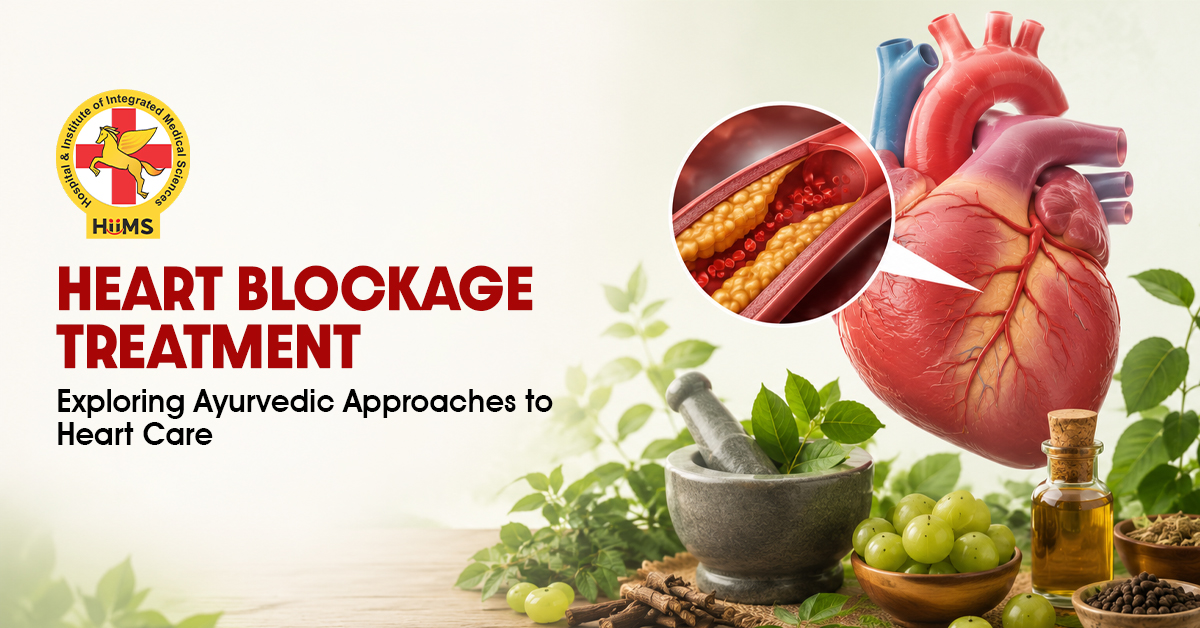
Heart Blockage occurs when a sticky substance called plaque made of cholesterol, fat, calcium, and cellular waste builds up inside your arteries. This narrows the blood vessels and restricts smooth blood flow.
The primary causes of heart blockage include high blood pressure, elevated blood sugar, smoking, a sedentary lifestyle and chronic stress. Poor dietary choices and long-term internal inflammation also accelerate this buildup.
According to Ayurveda, heart disorders (Hridaya Roga) are caused due to the imbalance of Vata and Kapha (internal energies of body). When the digestion (Agni) is weak it produces toxic metabolic waste called Ama. This sticky waste flows through the blood, blocks the important channels of the heart (Srotas) and slowly obstructs the flow of blood. Both cellular inflammation and Ama accumulation need to be addressed for long term cardiovascular health.
Choosing a Heart blockage treatment in Ayurveda means addressing the root cause rather than just managing the physical obstacle.
Herbal Support for Circulation and Arterial Health
Ayurveda uses natural herbs that have been traditionally used to support heart function and keep blood vessels clear. Herbs offer a Natural Treatment for Heart Blockage by ensuring smooth Blood Flow and keeping the Arteries Flexible
Arjuna: Arjuna bark is the most famous cardiac tonic in Ayurveda. It is called the ultimate heart defence. It helps to tone the cardiac muscles, helps to maintain healthy blood pressure levels and maintains the natural elasticity of arterial walls
Guggulu: A key element in any Ayurvedic treatment for blocked arteries, Guggulu resin helps maintain healthy cholesterol levels. It possesses natural scraping properties that assist the body in clearing sluggish metabolic buildup from tissue channels.
Garlic & Cinnamon: These common kitchen spices act as natural circulatory stimulants. They help warm the blood, reduce vessel sluggishness and encourage smooth, unobstructed circulation throughout the body.
Punarnava: Punarnava helps the body in regulating fluid balance. By reducing unnecessary fluid retention, it eases the overall workload and physical strain on the heart.
Specialised Ayurvedic Therapies For Heart Blockage
To deal with the toxins of metabolism, Ayurvedic doctors often recommend therapies of internal and external cleansing. These special procedures are part of a complete Ayurvedic treatment for blocked arteries, and they help reduce the strain on the whole body and calm the nervous system.
1. Hridaya Basti
During this deeply soothing therapy, a ring made of herbal dough is placed over the centre of the chest. Warm, medicated oil infused with cardiac herbs is gently poured inside and held over the heart region for a set duration. This warms the chest tissue, relaxes tight muscles, calms an anxious heart rhythm and improves local blood circulation.
2. Virechana
Virechana is a controlled, herbally guided detoxification process that targets the liver, gallbladder, and lower digestive tract. By flushing out excess heat and accumulated toxins, it clears metabolic congestion directly from the bloodstream and improves overall nutrient absorption.
3. Abhyanga
This full body massage uses warm, herb infused oils personalised to your body type. Gentle, rhythmic strokes stimulate the lymphatic system, lower stress hormones like cortisol, improve peripheral blood circulation and reduce the physical strain placed on your cardiovascular system.
Dietary and Lifestyle Modifications
No natural protocol is complete without addressing daily habits. Sustainable health depends on what you put into your body and how you live your life each day.
Dietary Guidance
To prevent the formation of metabolic waste, your daily diet should support clean digestion
- Foods to Focus On: Enjoy warm, freshly cooked meals, high fiber grains like oats and barley, steamed leafy green vegetables and antioxidant-rich spices such as turmeric, ginger, and cumin. Small amounts of pure cow ghee can also be used to carry herbal nutrients deep into tissues.
- Foods to Limit: Reduce heavy, deep-fried foods, refined sugars, ultra-processed snacks and ice-cold drinks that damp your internal digestive fire.
- Hydration: Drink warm water throughout the day to keep your blood flowing smoothly and help your kidneys in flushing out natural wastes.
Lifestyle Changes
- Gentle Activity – Practice light, everyday activity such as a brisk 30 minute walk or gentle yoga poses (Tadasana, Bhujangasana) to encourage healthy blood circulation without putting too much strain on the heart.
- Stress Management – Stress constricts blood vessels and causes blood pressure to rise. Simple Pranayama like Anulom Vilom or alternate nostril breathing helps calm the nervous system, reduces vascular tension and supports long term Heart care in Ayurveda.
Integrating Modern Awareness with Traditional Care
It is essential to approach heart health with balanced wisdom. Acute cardiac emergencies such as severe chest pain, shortness of breath, pain radiating down the arm, or unstable heart conditions require immediate conventional medical evaluation, diagnostics (such as Angiography, ECGs, and blood tests), and emergency care.
Ayurvedic care works best as a long-term, supportive partner. A holistic Heart blockage treatment in Ayurveda offers an empowering road toward long-term recovery, lifestyle correction, metabolic balance and rebuilding overall vascular strength alongside your standard medical check-ups.
Conclusion
Choosing the right Heart Blockage Treatment approach is about more than just analysing numbers on a medical report; it is about nourishing your whole body.
By clearing metabolic waste, adopting clean eating habits, using supportive herbs, and keeping your stress levels low, you give your circulatory system the best possible environment to repair and thrive.

If you are looking for personalised guidance on a Heart Blockage Treatment plan rooted in natural wisdom, the medical team at Jeena Sikho HiiMS Patna is here to support you. HiiMS offer best Ayurvedic support for heart care. You can visit one of their centers in person or book an online VOPD (video consultation) service for expert consultation to get a personalised diet, herb and lifestyle plan specific to your heart’s needs.
FAQs
Which daily diet changes best support clear arteries?
Eating warm, freshly cooked meals, adding spices like ginger & turmeric and avoiding deep-fried or processed foods keeps your digestive fire strong.
Can lifestyle practices prevent worsening heart blockage symptoms?
Managing stress, getting proper sleep and staying active help maintain healthy blood pressure and smooth circulation.
Which herbs are most commonly used in Ayurveda for heart blockage?
Arjuna, Guggulu, Pushkarmool and garlic are widely used to support blood flow and strengthen heart muscles
Are Ayurvedic heart therapies safe alongside modern medical care?
Yes. Holistic treatments work well as a long term supportive approach for lifestyle management alongside your regular check-ups.
How does diet play a role in learning how to clear heart blockage naturally?
Eating fresh, unprocessed, low-fat meals reduces internal inflammation and prevents sticky waste from building up in your blood vessels.