
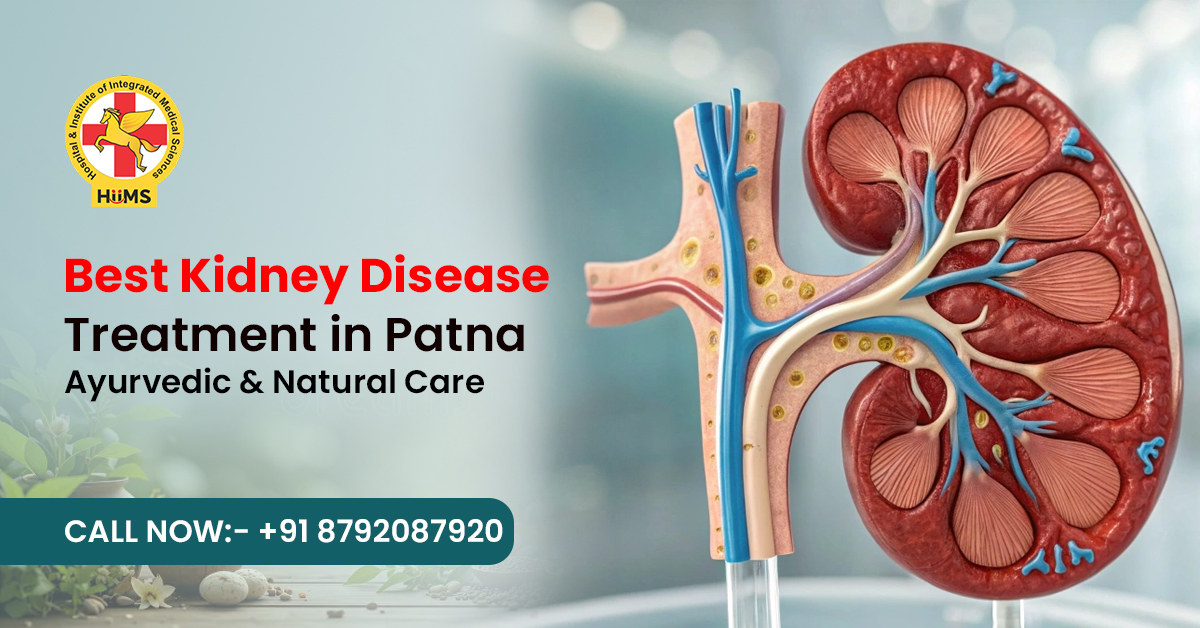
Kidneys may be small, bean-shaped organs, but their role in maintaining overall health is vital. Every minute, they filter the blood, remove waste, and regulate fluid balance in the body. However, modern lifestyle habits-such as processed food consumption, irregular sleep patterns, high stress, and inadequate hydration-put constant strain on these essential organs.
Often, kidney issues go unnoticed until symptoms like swelling, fatigue, or changes in urination appear. By that stage, treatments like dialysis are commonly suggested. While dialysis can help manage the condition, it does not always provide the long-term comfort and improvement patients seek.
In cities like Patna, many families are now exploring alternatives that focus on long-term well-being rather than temporary relief. This is where Ayurveda offers a unique perspective. Instead of viewing kidney disease as an isolated issue, Ayurveda considers it a result of deeper imbalances within the body. At HiiMS (Jeena Sikho) Patna, a trusted kidney care hospital, the focus is on restoring this balance through natural and holistic methods.
Understanding Kidney Disease
Role of the Kidneys
Kidneys act as natural filters, removing toxins, balancing minerals, and helping regulate blood pressure and fluid levels. When their function declines, toxins begin to accumulate, affecting the entire body.
Types and Stages
Kidney disorders can develop suddenly, as seen in Acute Kidney Injury, or progress gradually, as in Chronic Kidney Disease (CKD). Other conditions include nephrotic syndrome, glomerulonephritis, kidney shrinkage, and kidney stones. Early diagnosis and timely care are crucial in all cases.
Common Warning Signs
Symptoms often include swelling in the feet or around the eyes, fatigue, changes in urine color or frequency, muscle cramps, and reduced appetite. These signs should not be ignored, as they indicate underlying imbalance.
Limitations of Conventional Treatment
Modern treatments like dialysis or kidney transplants can help manage advanced stages but may not always provide lasting relief and can come with side effects. This has led many to explore natural approaches like Ayurveda for kidney care.
Ayurvedic Approach to Kidney Health
According to Ayurveda, kidney health is influenced by the balance of the three doshas-Vata, Pitta, and Kapha. Poor digestion leads to the formation of toxins (Ama), which block the body’s channels (Srotas) and impair kidney function.
Rather than focusing only on symptoms, Ayurvedic treatment aims to eliminate toxins, restore balance, and nourish the body’s tissues. The concept of Rasayana (rejuvenation) plays a key role, helping the body rebuild strength and improve organ function naturally.
Key Ayurvedic Therapies for Kidney Care
Panchakarma Detoxification
Panchakarma includes five classical procedures:
- Vamana (therapeutic emesis)
- Virechana (purgation)
- Basti (medicated enema)
- Nasya (nasal therapy)
- Raktamokshana (blood purification)
These therapies, when performed under expert supervision, help eliminate deep-seated toxins and reduce the burden on the kidneys.
Supportive Therapies
Treatments such as Snehana (oil therapy), Swedana (steam therapy), and Abhyanga (therapeutic massage) improve circulation, relax body channels, and support natural detoxification.
The GRAD System at HiiMS (Jeena Sikho)
A distinctive approach followed at HiiMS Patna is the GRAD system, which combines simple yet effective techniques:
- Head Down Tilt (HDT): Positioning the body at a specific angle to enhance blood flow to the kidneys, improving oxygen and nutrient supply.
- Hot Water Immersion (HWI): Sitting in warm water to stimulate sweating, allowing the skin to assist in eliminating toxins—often referred to as activating the “third kidney.”
- DIP Diet: A structured eating pattern where fruits or raw vegetables are consumed first, followed immediately by light meals like millets, promoting better digestion and nutrient absorption.
Herbal Support for Kidney Health
Certain herbs are traditionally used under expert guidance:
- Punarnava – supports fluid balance and reduces swelling
- Gokshura – promotes healthy urine flow
- Varuna – helps clear urinary pathways
- Shilajit – enhances overall vitality
These remedies are prescribed carefully to ensure safety and effectiveness.
Lifestyle and Natural Support
Diet and daily habits play a significant role in kidney care. Patients are encouraged to:
- Follow a low-sodium diet
- Limit potassium and phosphorus intake
- Eat fresh, seasonal foods
- Stay properly hydrated
Practices like yoga, light walking, breathing exercises, and even barefoot walking on grass (zero-volt therapy) help improve circulation and reduce stress. Adequate sleep and a balanced daily routine (Dinacharya) further support recovery.
Why Choose HiiMS (Jeena Sikho) Patna?
HiiMS Patna is regarded by many as more than just a kidney care center due to its:
- Holistic patient assessment
- Integration of multiple natural therapies
- Personalized care and supervision
- Gentle, non-invasive approach
- Peaceful and supportive environment
These factors make it a preferred destination for those seeking natural kidney care solutions in Patna.
Conclusion
Kidney health should never be overlooked. With a combination of Panchakarma, the GRAD system, the DIP diet, and lifestyle improvements, HiiMS (Jeena Sikho) Patna offers a holistic path toward better kidney function.

If you or a loved one is facing kidney-related concerns, early intervention can make a significant difference. A balanced and natural approach may help improve comfort and overall well-being.
FAQs
Q1. Can Ayurvedic treatment reverse kidney damage?
It focuses on slowing progression, detoxifying the body, and supporting kidney function naturally.
Q2. Is Ayurvedic treatment safe for kidney patients?
Yes, when conducted under qualified supervision, it is generally safe and gentle.
Q3. How long does it take to see results?
Results may take a few weeks to months, depending on the condition and individual response.
Q4. Are medical tests still necessary?
Yes, regular monitoring helps track progress and ensures safety.
Q5. Is Ayurvedic treatment cost-effective?
In the long term, it can be more affordable as it emphasizes lifestyle changes and natural therapies rather than repeated procedures.