
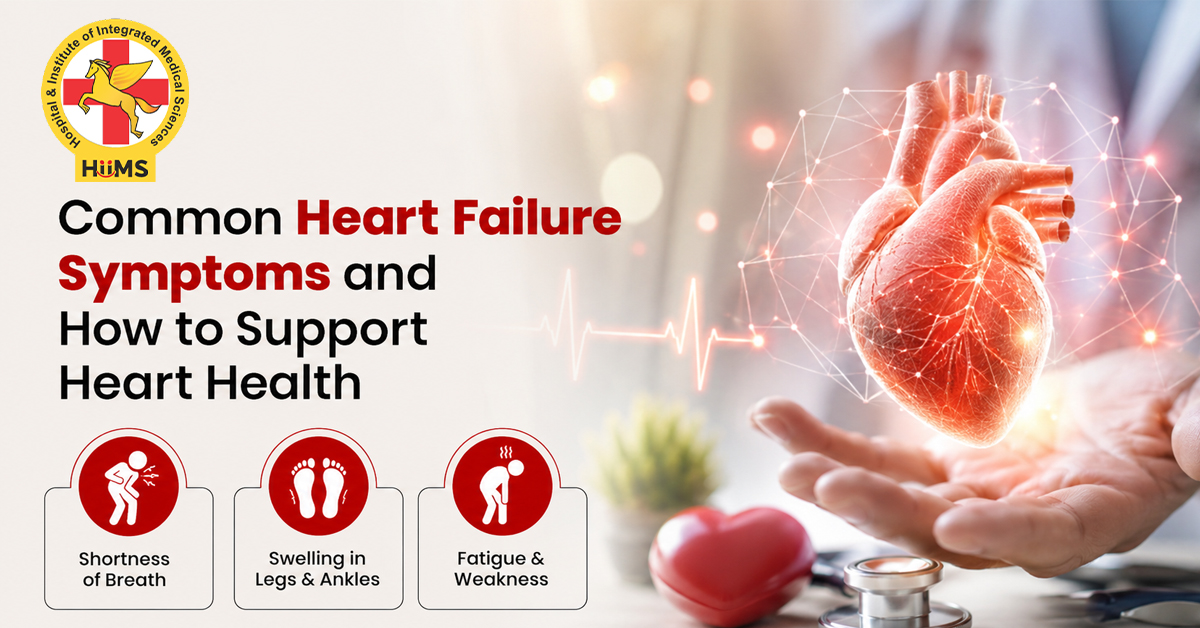

A little breathlessness after a long walk may not seem unusual, but what if the same thing happens while climbing a few stairs or doing ordinary household work? Perhaps your feet look more swollen by evening, or you feel tired even after getting enough sleep.
These changes can have many causes, but they are worth noticing rather than putting them aside as age, stress, or a busy routine. Heart failure symptoms can develop gradually when the heart cannot pump blood as effectively as the body needs. That does not mean the heart has stopped working; it means its pumping ability has become weaker.
In this blog, we will look at the warning signs, understand when they need medical attention, and explore practical Ayurvedic and lifestyle approaches that can help you take better care of your heart.
What Does Heart Failure Mean?
The heart works continuously to send blood and oxygen around the body. When its pumping action becomes less effective, the body may not receive blood as efficiently as it should, while fluid can begin to collect in places such as the lungs, legs, ankles, or abdomen. This can lead to several changes that are easy to notice once you know what to look for.
Why Paying Attention to Changes is Important
People often put tiredness down to a demanding schedule and breathlessness down to being out of shape. Swollen feet may also be ignored after a long day. However, a new or worsening pattern deserves attention. The early signs of heart failure may become more noticeable during everyday activities before a person realises that something has changed.
Common Heart Failure Symptoms You Should Know
The common symptoms of heart failure can differ from one person to another, and they may become more noticeable as the condition progresses. Some of the changes people commonly experience include:
Breathlessness During Everyday Activities
Feeling short of breath after climbing stairs, walking a familiar distance, or carrying out routine work can be an important change to notice. Some people may also find breathing more difficult when lying flat.
Unusual Tiredness and Weakness
When ordinary activities begin to leave you unusually exhausted, it is worth paying attention. A noticeable drop in stamina, especially when it is new, should not always be dismissed as simple tiredness.
Swelling in the Feet, Ankles or Legs
Fluid retention can cause puffiness around the feet, ankles, and legs. Swelling may become more obvious towards the end of the day and can occur along with abdominal bloating.
Coughing or Wheezing
A persistent cough, particularly at night, can sometimes accompany fluid buildup associated with heart failure. It should be assessed rather than automatically treated as a seasonal cough.
Fast or Irregular Heartbeat
Some people notice a racing, fluttering, or uneven heartbeat. Palpitations can happen for many reasons, so this symptom alone does not establish heart failure.
Sudden Weight Gain
A quick rise in body weight over a short period of time can sometimes reflect retained fluid rather than a change in body fat. This is one of the heart health symptoms that people managing heart problems are often advised to monitor.
Early Changes That Are Easy to Overlook
The early signs of heart failure are not always extreme. You might need more pillows to sleep comfortably, wake during the night feeling short of breath, or find that a walk that once felt easy now leaves you unusually drained. Light-headedness, weakness, and dizziness can also occur.
These changes do not automatically mean heart failure, because similar symptoms can occur with other health conditions. That is why proper evaluation is so important instead of trying to identify the cause on your own.
How Ayurveda Looks at Heart Health
In Ayurveda, the heart or Hridaya, holds an important place in the body’s overall wellbeing. Traditional Ayurvedic care looks beyond one symptom and considers food, daily routine, rest, digestion, activity, and the individual’s constitution.
Understanding Vata, Pitta and Kapha
Ayurveda describes three doshas (Vata, Pitta, and Kapha), which are considered important to maintaining balance in the body. Their role in traditional care is understood alongside a person’s physiology, habits, diet, and overall condition rather than only being used as a medical explanation for heart failure.
Looking at the Whole Routine
This broader approach encourages people to pay attention to everyday choices. Regular meals, suitable physical activity, restful sleep, stress management, and timely health checks can all form part of a sensible approach to heart disease prevention.
Ayurvedic Ways to Support Heart Health
Eat With the Heart in Mind
Build meals around vegetables, fruits, whole grains, millets, pulses, and other nourishing foods suited to your individual needs. Limiting highly processed foods and keeping an eye on excess salt, sugar, and unhealthy fats can also be useful for cardiovascular well-being.
Keep Moving Within Your Limits
Regular movement can be beneficial, but the right amount depends on a person’s health. Walking, gentle yoga, and other suitable activities can be included when they are appropriate for the individual.
Make Space for Rest and Relaxation
Poor sleep and constant stress can make healthy routines harder to maintain. A regular sleep schedule, simple breathing practices, relaxation, and time away from excessive screen use can help create a steadier daily rhythm.
Ayurvedic Heart Care at Jeena Sikho HiiMS
At Jeena Sikho HiiMS Patna , Ayurvedic care can be considered alongside appropriate health assessment, with attention to the individual’s symptoms, lifestyle, diet, and overall condition. Traditional therapies such as Panchakarma may be recommended only when considered suitable by qualified practitioners.
The approach can also include personalised dietary guidance, lifestyle planning, yoga, breathing practices, and other traditional wellness measures.
Conclusion
Recognising heart failure symptoms is less about becoming anxious over every change and more about knowing when your body is asking for attention. Breathlessness, unusual fatigue, swelling, persistent coughing, dizziness, or sudden fluid-related weight gain deserve proper evaluation, particularly when they are new or getting worse. 
Along with timely healthcare guidance, sensible food choices, suitable movement, good sleep, stress management, and personalised Ayurvedic care can form part of a balanced approach to heart well-being.
If you are concerned about your heart health symptoms, you can also opt for a VOPD consultation with expert doctors at Jeena Sikho HiiMS and discuss your health concerns from home.
FAQs
Q1: What are the common symptoms that may occur with heart failure?
Breathlessness, unusual tiredness, swelling, persistent coughing, dizziness, and sudden fluid-related weight changes are among the symptoms that may occur.
Q2: How can early heart failure symptoms be noticed?
Changes such as getting tired faster, becoming breathless during routine activities, or needing extra pillows at night may be worth discussing with a healthcare professional.
Q3: What can cause swelling in the legs and ankles?
Swelling can have several causes, including fluid retention linked with heart problems, so the reason should be assessed rather than assumed from the symptom alone.
Q4: How does Ayurveda approach heart well-being?
Ayurveda takes a more holistic view that considers diet, daily routine, rest, activity, individual constitution, and traditional therapies when appropriate.
Q5: When should someone seek medical advice for heart-related symptoms?
New, persistent, worsening, or concerning symptoms should be discussed with a healthcare professional rather than being self-diagnosed or managed only with home remedies.