
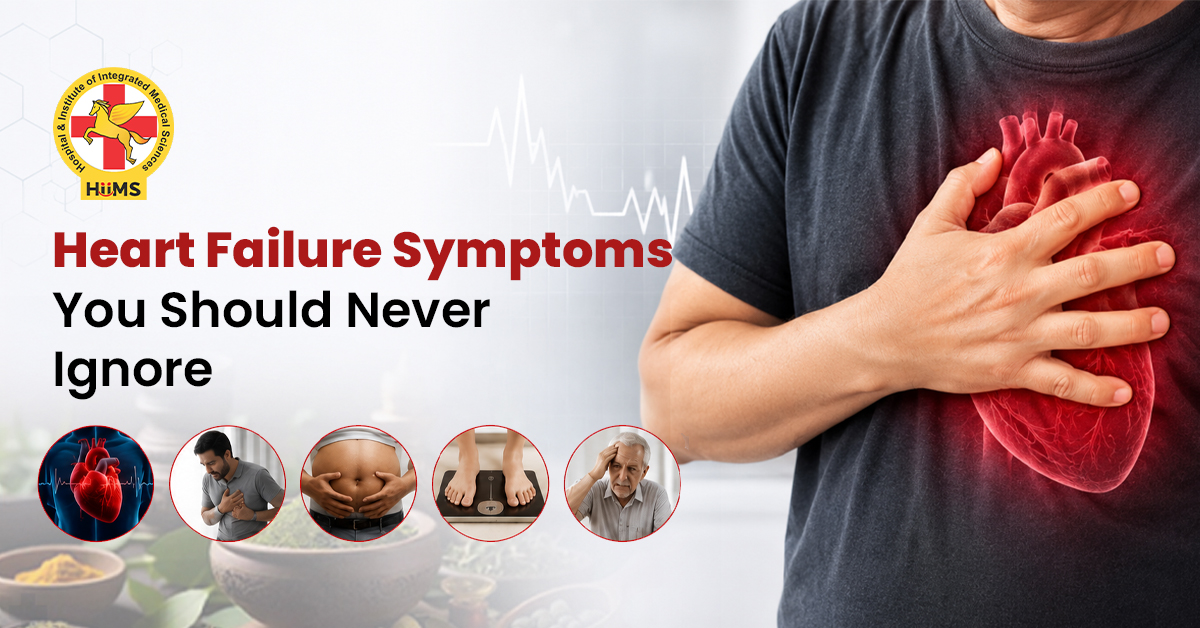

There are days when your body feels a little strange kind of uneasiness, but not enough to make you stop what you’re doing. You feel slightly tired even after resting, or you notice that climbing stairs takes a bit more effort than before. Most people don’t think much of it. It’s easy to blame it on routine, stress, or just a bad day.
The thing is, these changes don’t always stay occasional. They start coming back. Not in a serious way, just quietly repeating themselves. And because nothing feels urgent, it’s easy to ignore them again.
This is where many heart failure symptoms start. They don’t come all at once, and they don’t always feel serious in the beginning. But they do follow a pattern if you look closely.
In this blog, we will go through these patterns, understand what they may indicate, and see when it becomes important to pay attention before things move further.
Table of Contents
What Exactly Is Heart Failure?
Heart failure sounds serious, but it doesn’t mean the heart has stopped working. It simply means the heart is not pumping blood as effectively as it should.
This doesn’t happen all at once. With high blood pressure, stress over time, or past heart problems, the heart slowly starts getting affected. It doesn’t change suddenly, it builds up little by little over time.
When the heart doesn’t work as efficiently, the body begins to adjust in small ways. This is where early heart failure symptoms start showing up in daily life, and many people don’t notice them at first.
Early Changes People Often Overlook
Before anything becomes clear, the body shows small changes that are easy to dismiss. You may feel more tired than usual, even if your routine hasn’t changed much. Sleep may not feel as refreshing, or your energy might drop earlier in the day. Sometimes it’s just a short moment of breathlessness while doing something simple.
These things don’t feel important individually. But when they start happening again and again, they are no longer random. They are signs that something is slowly changing inside the body, even if it doesn’t feel serious yet.
Heart Failure Symptoms You Should Never Ignore
When these early changes continue, they become more noticeable.
Breathlessness That Feels Unusual
You may start noticing it in small situations. Simple things start to feel harder than before, and even without doing much you can feel short of breath. It tends to show more while lying down, so people end up moving around just to get comfortable sleep.
Constant Tiredness That Doesn’t Go Away
This doesn’t feel like the usual tiredness that goes away with rest. Even after good sleep, the body still feels low on energy. Daily work can start feeling heavier, and the energy doesn’t really come back easily.
Swelling in Feet, Ankles, or Abdomen
Swelling can start slowly. Shoes may feel tighter, or you may notice slight marks on the skin. It doesn’t always feel serious at first, which is why it often gets ignored.
Fast or Irregular Heartbeat
Sometimes your heartbeat just feels off, maybe faster, maybe not steady. It comes and goes, but even a quick flutter or racing moment can leave you a bit uneasy.
Persistent Cough or Chest Congestion
A cough that doesn’t go away, especially when you lie down, may not feel like a usual cold. It can also come with a kind of heaviness in the chest.
Sudden Weight Gain Without Reason
If your weight goes up quickly and nothing in your routine has really changed, it may not be real weight gain. Sometimes the body just starts holding onto fluid.
Loss of Appetite or Uneasiness
You may feel full sooner than usual or slightly uncomfortable after eating. It doesn’t feel like a typical digestive issue, but it keeps happening often enough to notice.
These heart failure symptoms don’t always show up together. But when a few of them repeat over time, it becomes important to consider proper care and possible heart failure treatments.
Heart Failure vs Heart Attack Symptoms: Know the Difference
It’s common to mix up heart failure with a heart attack, but they are quite different.
Heart failure develops slowly. A heart attack happens suddenly, usually due to a blockage in blood flow.
Heart attack symptoms can feel like strong chest pain, sometimes the pain moves to the arm or jaw, along with sweating and a heavy pressure feeling. When this happens, it needs quick heart attack treatment.
Knowing the difference helps you understand what needs urgent action and what needs timely attention.
What Leads to Heart Failure Over Time
Heart health is affected by everyday habits more than most people realise. Irregular meals, lack of movement, stress, and poor sleep slowly add pressure on the heart.
Medical conditions like diabetes, high blood pressure, and cholesterol also play a role.
These things don’t cause problems right away. They build up slowly, affecting how the heart works over time, and later leading to noticeable heart failure symptoms.
A Simple Support Option for Daily Routine
Along with these, Jeena Sikho HeartJS Drops may be included as part of a daily heart care routine under proper guidance. They are often used to support circulation and overall heart function in a gentle way.

They contain Crataegus Oxy, Aurum Muriaticum, and Convallaria Maj, and the usual guidance is 15 drops with water twice a day, or as advised by the physician.
When Should You Actually See a Doctor?
You don’t have to wait for something serious to happen before seeing a doctor.
If breathlessness, swelling, or fatigue keeps coming back, it’s better to get it checked. Even if it feels mild, the fact that it repeats does matter.
Visiting a trusted heart hospital like Jeena Sikho HiiMS can help you understand what’s happening early on and guide you towards suitable heart failure treatments before things get complicated.
Conclusion
The body hardly ever changes without giving some indication. It may not always be obvious, but there are usually small signs that repeat over time. Paying attention to them doesn’t mean worrying about everything. It simply means noticing what feels different from your usual state. Recognising Heart Failure Symptoms early can help you take timely steps and avoid bigger complications later.

If you notice such changes, you can also opt for an online video consultation (VOPD) for your health issue with expert doctors at Jeena Sikho HiiMS.
FAQs
What are early heart failure symptoms?
Mild fatigue, breathlessness during routine work, and low energy are often noticed early.
How are heart failure and heart attack different?
Heart failure develops slowly, while heart attack symptoms appear suddenly and need urgent care.
Can heart failure be managed effectively?
With proper heart failure treatments and lifestyle changes, symptoms can be controlled over time.
When should someone visit a heart specialist?
Repeated symptoms like swelling, fatigue, or breathlessness should be checked at a heart hospital.
Do lifestyle habits affect heart health?
Daily habits like diet, sleep, and activity levels directly influence heart function over time.
Ayurvedic Heart Care Products
100% natural, certified Ayurvedic formulations crafted for targeted heart wellness.



Disclaimer: The information provided on this blog is for general educational and informational purposes only. It is not intended to replace professional medical advice, diagnosis, or treatment. Always consult a qualified healthcare professional before making any changes to your diet, lifestyle, or treatment plan. Individual results may vary.




1 comment