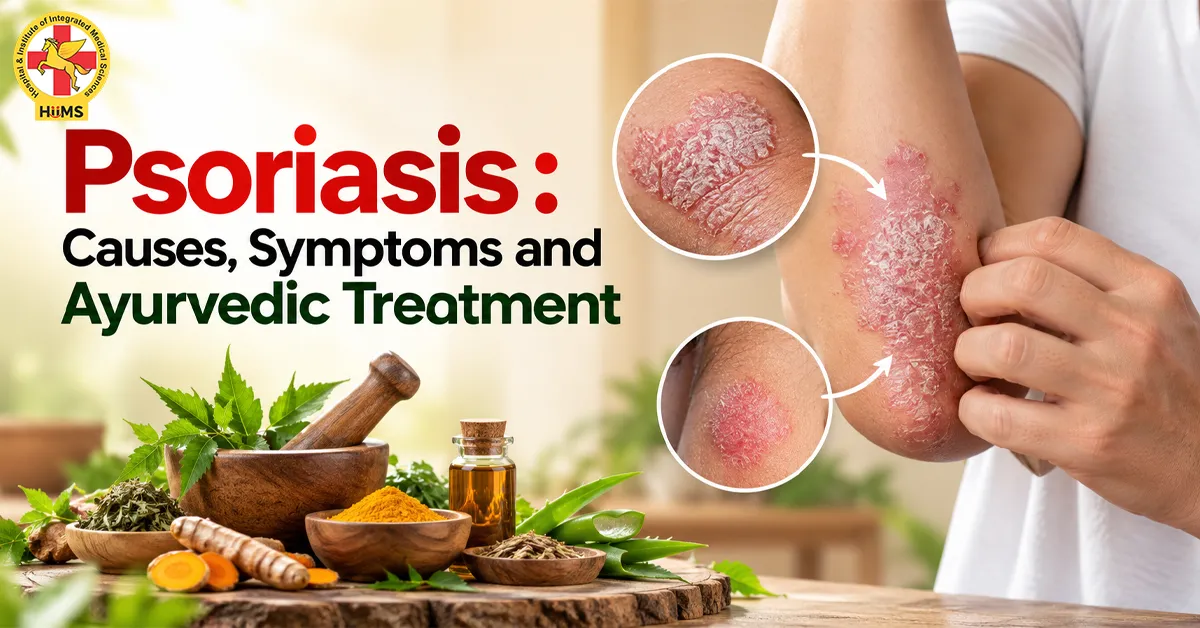

When the same dry, itchy patches keep returning, even simple things such as getting dressed or washing your hair can become uncomfortable. You may try a cream, moisturiser, or lotion and notice some improvement. But then find the patches appearing again after a few weeks. For some people, the itching also disturbs sleep, while visible scales can make them feel awkward around others.
Actually, psoriasis is a long-term inflammatory condition linked to the immune system. It speeds up the skin-cell growth cycle, causing raised patches, scaling and irritation. The condition is not contagious, so it cannot spread through touch or by sharing everyday items. Although psoriasis can last for years, suitable care can help many people manage their symptoms.
People who are considering ayurvedic treatment for psoriasis may want to understand how traditional care fits alongside established medical options. This blog covers psoriasis causes, common symptoms, different types, available treatments and the Ayurvedic approach, along with practical steps for everyday skin care.
What Is Psoriasis? Understanding the Condition
Our skin continually produces new cells and sheds older ones. In a person with psoriasis, an abnormal immune response speeds up this process. New skin cells build up faster than the body can shed them, forming thick, raised patches that may look red, brown, purple or darker than the surrounding skin. Dry, silvery scales may appear over these patches.
The condition often follows a pattern of episodes of symptoms and less noticeable intervals of time. Symptoms may improve for a while and then return, sometimes after a period of stress, an infection or a change in weather. And this pattern differs from person to person.
Is Psoriasis Contagious?
No one catches psoriasis from another person. It does not spread through physical contact, shared clothes, food or sitting beside someone. Good hygiene is important for general skin care, but poor cleanliness does not cause psoriasis.
Psoriasis can also affect the nails, causing small pits, thickening or colour changes. Some people develop psoriatic arthritis, which may cause joint pain, swelling and stiffness. The American Academy of Dermatology’s psoriasis guidance explains how the condition can affect the skin, nails and joints.
Psoriasis in India: What Research Tells Us
Psoriasis affects people across different age groups, but the exact number of people living with it in India remains difficult to establish.
A review published in the Indian Journal of Dermatology, Venereology and Leprology in 2010 discussed Indian studies that reported psoriasis prevalence estimates of approximately 0.44% to 2.8%. These figures reflect the research available at that time and should not be treated as a definitive estimate for today’s population. The authors highlighted the need for stronger population-based research.
You can read the original review, Psoriasis in India: Prevalence and Pattern, for more context.
Psoriasis Causes: Why Does It Develop?
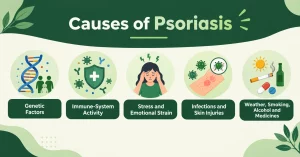
There is no single explanation for why someone develops psoriasis. Research points to a combination of immune-system activity, genetic factors and outside triggering factors. A person may have several of these factors without developing the condition, while another may experience just kind of symptoms after a particular event.
1. Genetic Factors
Psoriasis can run in families. Having a parent or sibling with the condition may increase a person’s likelihood of developing it. However, family history does not mean that psoriasis will definitely appear.
2. Immune-System Activity
The immune system normally helps the body respond to infections and other threats. In psoriasis, immune activity contributes to inflammation and faster skin-cell production. This leads to the patches and scaling associated with the condition.
3. Stress and Emotional Strain
Stress may trigger or worsen flare-ups in some people. This link varies, and stress alone does not justify every case. Poor sleep and ongoing discomfort can also make it harder to cope when symptoms become active.
4. Infections and Skin Injuries
Certain infections, including streptococcal throat infections, may trigger guttate psoriasis in susceptible people. Skin injuries, cuts, scratches, sunburn or repeated rubbing can also lead to new patches in some cases.
5. Weather, Smoking, Alcohol and Medicines
Cold, dry weather may aggravate dryness and itching. Smoking and heavy alcohol consumption are associated with psoriasis-related concerns, while certain medicines can trigger or worsen symptoms in some people.
The National Psoriasis Foundation’s patient resources and dermatology guidance address these factors in greater detail. If you notice a repeated pattern, keep a record of flare-ups and discuss it with your doctor instead of stopping a prescribed medicine on your own.
Psoriasis Symptoms: Early Signs You Should Recognise
Psoriasis symptoms can look different depending on the type, skin tone and body area involved. Some people have a few small patches, while others experience widespread changes.
Common signs include:
- Raised, scaly patches: These may appear red or pink on lighter skin and brown, purple or darker on deeper skin tones.
- Persistent itching: The skin may feel itchy, sore or irritated, sometimes interfering with sleep.
- Dryness and cracking: Thick patches can become dry and may crack or bleed.
- Scalp scaling: Flaking and thick patches may develop on the scalp and sometimes extend beyond the hairline.
- Nail changes: Nails may develop small pits, become thicker, change colour or separate from the nail bed.
- Joint discomfort: Pain, swelling or stiffness can occur when psoriasis is associated with psoriatic arthritis.
Patches commonly affect the elbows, knees, scalp and lower back, although other areas can be involved. Some forms appear in skin folds or on the palms and soles.
Not every scaly patch is psoriasis. Eczema, fungal infections and other skin conditions can look similar, so a proper examination is important.
Look for immediate medical attention if you develop widespread redness, extensive peeling, pus-filled bumps with fever, severe discomfort or new joint swelling.
If you notice persistent scaly patches or other skin changes, consult a healthcare professional for proper evaluation and guidance.

Types of Psoriasis: Understanding the Different Forms
Doctors identify different types of psoriasis by looking at the appearance of the patches, the areas affected and other symptoms. Recognising the type helps determine appropriate treatment.
1. Plaque Psoriasis
This is the most commonly recognised form. It causes raised patches with dry scales, often on the elbows, knees, scalp and lower back.
2. Guttate Psoriasis
Guttate psoriasis appears as many small, drop-shaped spots. It can develop after certain infections and is seen more often in children and younger adults than some other forms.
3. Scalp Psoriasis
This form affects the scalp and may cause itching, thick scaling and flakes. Patches can extend beyond the hairline, making them difficult to manage with ordinary hair-care products.
4. Inverse Psoriasis
Inverse psoriasis causes smooth, inflamed patches in areas where skin touches or rubs together, such as the armpits, groin or beneath the breasts. Sweat and friction may make these areas uncomfortable.
5. Pustular Psoriasis
This less common form causes pus-filled bumps surrounded by inflamed skin. Widespread pustules, particularly when accompanied by fever or feeling unwell, need urgent medical assessment.
6. Nail Psoriasis
Nail psoriasis can cause pitting, thickening, colour changes or separation of the nail from its bed. Nail symptoms may occur with or without obvious skin patches.
7. Erythrodermic Psoriasis
This rare but serious form can cause widespread redness and peeling. It may affect the body’s ability to regulate temperature and fluid balance, so it requires urgent medical care.
For additional details and images, please look to the American Academy of Dermatology’s information on psoriasis.
How Ayurveda Understands Psoriasis
Ayurveda discusses a range of skin conditions under the broader category of Kushta. Some Ayurvedic practitioners associate psoriasis-like symptoms with traditional classifications such as Kitibha Kushta or Ekakushtha.
The Role of Vata, Pitta and Kapha
In Ayurvedic practice, a practitioner may assess Vata, Pitta and Kapha when planning care. Traditional interpretations consider features such as dryness, scaling, redness and itching alongside a person’s food habits, sleep and daily routine.
What Does Ama Mean in Ayurveda?
‘Ama’ is a traditional Ayurvedic concept associated with material believed to result from incomplete digestion or processing. Food habits and digestion may therefore form part of an Ayurvedic assessment.
It is important to distinguish this traditional explanation from established medical findings. Modern research links psoriasis to immune-system activity and genetic factors.
This broader assessment is one reason some people explore psoriasis treatment in Ayurveda.
Ayurvedic Treatment for Psoriasis: A Personalised Approach
Ayurvedic treatment for psoriasis may involve a detailed consultation, dietary guidance, herbal preparations and selected therapies. The plan should consider the person’s symptoms, health history and current medicines, and a qualified Ayurvedic practitioner should supervise it.
1. Detailed Ayurvedic Consultation
A practitioner may ask about the duration and location of the patches, earlier treatments, food habits, sleep, stress and daily activities. Sharing details about allergies, other health conditions and prescribed medicines helps the practitioner assess which options may be suitable.
2. Shodhana: Traditional Cleansing Procedures
Shodhana refers to traditional Ayurvedic procedures intended to address imbalances through selected cleansing methods. These procedures are not suitable for everyone and require individual assessment, proper clinical supervision and an understanding of the person’s health.
3. Shamana: Medicines and Symptom Management
Shamana refers to traditional approaches intended to calm imbalances through selected herbs and care measures. A practitioner should explain the purpose of each preparation, its ingredients, possible side effects and how it fits with other treatment.
4. Rasayana: Traditional Rejuvenation Practices
Rasayana is an Ayurvedic concept associated with rejuvenation and maintaining general well-being. A practitioner may discuss relevant approaches as part of ongoing care, but they should not promise that Rasayana will remove psoriasis permanently.
5. Aahar and Vihar: Diet and Daily Routine
Aahar means food, and Vihar means lifestyle. Ayurvedic practitioners review both because they believe eating habits and daily routines shape how the body responds to skin concerns. Your practitioner may ask what you eat, when you eat, how well you sleep and how you handle stress. They may then suggest small, practical changes, such as eating freshly cooked meals at regular times, keeping a steady sleep schedule, making space for gentle movement and relaxation, and noting which foods or habits coincide with your flare-ups.
6. Why Is Follow-Up Important?
Psoriasis can change over time. Regular reviews help assess the condition, check how well a plan is being tolerated and decide whether any changes are needed.
If you are exploring Ayurvedic treatment for psoriasis, consult a qualified practitioner to discuss your symptoms and suitable care options.
 Panchakarma or Ayurvedic Therapies for Psoriasis: What Should Patients Know?
Panchakarma or Ayurvedic therapies include traditional Ayurvedic procedures used in selected treatment plans. Some people ask about these therapies while exploring Ayurvedic treatment for psoriasis, but no single procedure is necessary or suitable for every patient. It is guided by a qualified practitioner based on your body condition.
Virechana
Virechana is a traditional purgation procedure. It should only be considered after an appropriate assessment and carried out under qualified supervision because purgation can lead to dehydration and other complications.
Vamana
Vamana involves therapeutic vomiting in selected Ayurvedic treatment plans. It is not a home remedy and should only be considered by qualified practitioners after reviewing the person’s health and suitability.
Raktamokshana
Raktamokshana is a traditional bloodletting procedure used in some Ayurvedic practices. It requires appropriate clinical precautions and should never be attempted at home.
Abhyanga and Other External Therapies
Abhyanga involves massage with oil, while other external therapies may use selected oils or preparations. Depending on the person’s skin condition, some applications may irritate sensitive or broken skin, so the practitioner should assess their suitability before use.
Is Panchakarma Necessary for Everyone?
No. A person’s symptoms, general health, medical history and current treatment all matter when deciding whether a procedure is appropriate.
A published case report on Ayurvedic Panchakarma for plaque psoriasis described positive changes in one patient’s symptoms during a specific treatment plan.
Ayurvedic Herbs for Psoriasis: Traditional Uses and Precautions
Several herbs have a long history of use in Ayurvedic preparations for skin-related concerns. Such as:
- Neem: Used traditionally in a range of skin-related preparations.
- Turmeric (Haridra): A familiar ingredient in Ayurvedic practice that has also attracted scientific interest because of its active compounds like curcumin.
- Manjistha: Included in traditional formulations used for various skin conditions.
- Guduchi (Giloy): Used in Ayurvedic preparations, although suitability depends on the product, dose and person’s health.
Before using herbal medicines, discuss the ingredients and intended use with a qualified practitioner. Herbal products may cause unwanted reactions, if you exceed the recommended doses.
A critical review published in the Chinese Journal of Integrative Medicine assessed research on Indian traditional treatments for psoriasis. Although the studies reported improvements, differences in study design, sample sizes and follow-up meant the authors could not draw firm conclusions about effectiveness.
Ayurvedic Diet for Psoriasis: Foods and Eating Habits to Discuss with Your Doctor
Food can form part of an overall psoriasis care plan, but no single diet suits everyone. An ayurvedic diet for psoriasis may be discussed with a qualified practitioner, taking personal preferences, nutritional needs and other health conditions into account.
Foods to Include in a Balanced Diet
- Seasonal fruits and a variety of vegetables.
- Whole grains and suitable sources of protein.
- Freshly prepared meals with a range of nutrients.
- Enough fluids throughout the day, unless a clinician has advised a fluid restriction.
Habits to Consider
Frequent consumption of highly processed foods and excessive alcohol intake may be worth discussing as part of general health planning. If you suspect that a particular food triggers your symptoms, keep a food and symptom diary rather than removing several food groups at once.
Natural Ways to Manage Psoriasis in Daily Life
Daily habits can help you look after your skin while following an appropriate treatment plan. These natural ways to manage psoriasis are practical steps, not replacements for medical care.
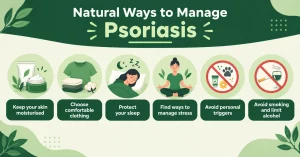
- Keep your skin moisturised: Use a gentle herbal and natural moisturiser that suits your skin, especially after bathing.
- Choose comfortable clothing: Soft fabrics may help limit rubbing and irritation.
- Protect your sleep: Keep a regular sleep routine and seek advice if itching repeatedly wakes you.
- Find ways to manage stress: Walking, gentle yoga, breathing exercises or other relaxing activities may help you cope with daily strain.
- Avoid personal triggers: Notice whether specific products, injuries or other factors appear to worsen your symptoms.
- Avoid smoking and limit alcohol: Discuss these habits with your healthcare professional, particularly if they affect your general health.
Be careful with home remedies and strong products advertised as quick solutions. If a product causes burning, swelling or worsening irritation, stop using it and seek healthcare advice.
Why Consider Jeena Sikho HiiMS Lucknow for Psoriasis Care?
People exploring psoriasis treatment in lucknow may want to understand their options before choosing a care provider. Jeena Sikho HiiMS Lucknow is an option to contact for information about its available Ayurvedic consultation and treatment services.
- Before starting care, patients should have the opportunity to discuss their symptoms, previous treatments, daily routine and other health concerns.
- Any recommended plan should be explained clearly, including the purpose of each therapy, possible side effects, expected follow-up and the limits of available evidence.
- If you are considering Ayurvedic care, ask whether a proposed therapy is appropriate for your condition. Do not assume that every patient needs the same herbs, diet or Panchakarma procedure.
When Should You Seek Medical Attention?
Look for urgent medical care if you develop widespread redness or peeling, extensive pus-filled bumps, fever, a sudden skin flare or severe illness. New joint swelling, pain or stiffness also needs assessment because psoriasis can be associated with joint problems.
If you already use prescribed psoriasis medicines, speak with the prescribing clinician before changing or stopping them. If you want to add Ayurvedic care, then talk to an experienced Ayurvedic doctor about your condition.
Conclusion
Psoriasis can affect much more than the appearance of the skin. It may bring itching, scaling, nail changes and, for some people, joint symptoms. Understanding the type of psoriasis and recognising personal triggers can help people make informed decisions about care.
Ayurvedic treatment for psoriasis may be an option to discuss with a qualified practitioner, particularly if you want to include traditional dietary guidance or selected therapies in your care plan. However, research on specific Ayurvedic approaches is still limited, and no treatment can promise the same outcome for everyone. A balanced plan should focus on an accurate diagnosis, realistic expectations, safe treatment choices and regular review.
If you are looking for guidance, contact Jeena Sikho HiiMS Lucknow to enquire about its available Ayurvedic services. Discuss your options with a qualified practitioner via VOPD (online video consultation) and continue appropriate care as advised.

FAQs
1. What are the main causes of psoriasis?
Psoriasis is linked to immune-system activity and genetic factors. Infections, stress, skin injuries, certain medicines and weather changes may trigger or worsen flare-ups in some people.
2. What are the common symptoms of psoriasis?
Common signs include dry, scaly patches, itching, soreness, cracked skin and scalp scaling. Some people also experience nail changes or joint pain and stiffness.
3. Can Ayurveda help manage psoriasis?
Some people explore Ayurvedic care alongside their usual treatment. Ayurveda uses a personalised plan that combines therapies such as Virechana and Abhyanga, herbs such as neem, manjistha and haridra, freshly cooked meals, and lifestyle habits such as regular sleep and stress management. Together, these steps aim to ease symptoms and support your health.
4. Is Panchakarma necessary for psoriasis treatment?
Panchakarma is not necessary for everyone with psoriasis. A qualified practitioner must assess the person’s health, symptoms and medical history before recommending any procedure.
5. Where can I seek psoriasis treatment in Lucknow?
A qualified Ayurvedic doctor at Jeena Sikho HiiMS Lucknow can assess your symptoms and discuss treatment options. You can call at (number needs to be added) enquire about its available Ayurvedic services.